Best Garden Care Practices Every Homeowner Should Know
A lush, healthy garden doesn’t happen by accident. It takes consistent effort, smart planning, and a bit of know-how. Whether you’re a seasoned green thumb or a first-time homeowner, mastering these best garden care practices will save you time, money, and frustration.
In this guide, I’ll walk you through the most effective strategies for keeping your outdoor space vibrant. We’ll cover soil health, watering wisdom, pruning techniques, and more. Stick with these garden maintenance tips, and you’ll enjoy a yard that’s the envy of the neighborhood.
Start with Healthy Soil
Your garden’s success begins underground. Healthy soil is packed with organic matter, beneficial microorganisms, and the right balance of nutrients. Without it, even the most expensive plants will struggle.
Test your soil’s pH every spring. Most vegetables and flowers prefer a range between 6.0 and 7.0. If yours is off, add lime to raise the pH or sulfur to lower it. Also, work in compost twice a year to boost fertility and improve drainage.
A good rule of thumb: if your soil smells earthy and crumbles easily in your hand, you’re on the right track. If it’s compacted or sandy, it’s time to amend it. For more natural approaches, check out our eco-friendly cleaning resources—many of the same principles apply to garden soil care.
Water Deeply, Water Less Often
One of the biggest mistakes homeowners make is watering a little bit every day. This encourages shallow roots that can’t handle dry spells. Instead, adopt a deep watering method.
Aim to give your garden about one inch of water per week, including rainfall. Water early in the morning to minimize evaporation. Use a soaker hose or drip irrigation to deliver moisture directly to the root zone.
Mulch is your best friend here. A 2- to 3-inch layer of organic mulch keeps soil cool, retains moisture, and suppresses weeds. This single practice alone can cut your watering needs by up to 50%.
Prune with Purpose
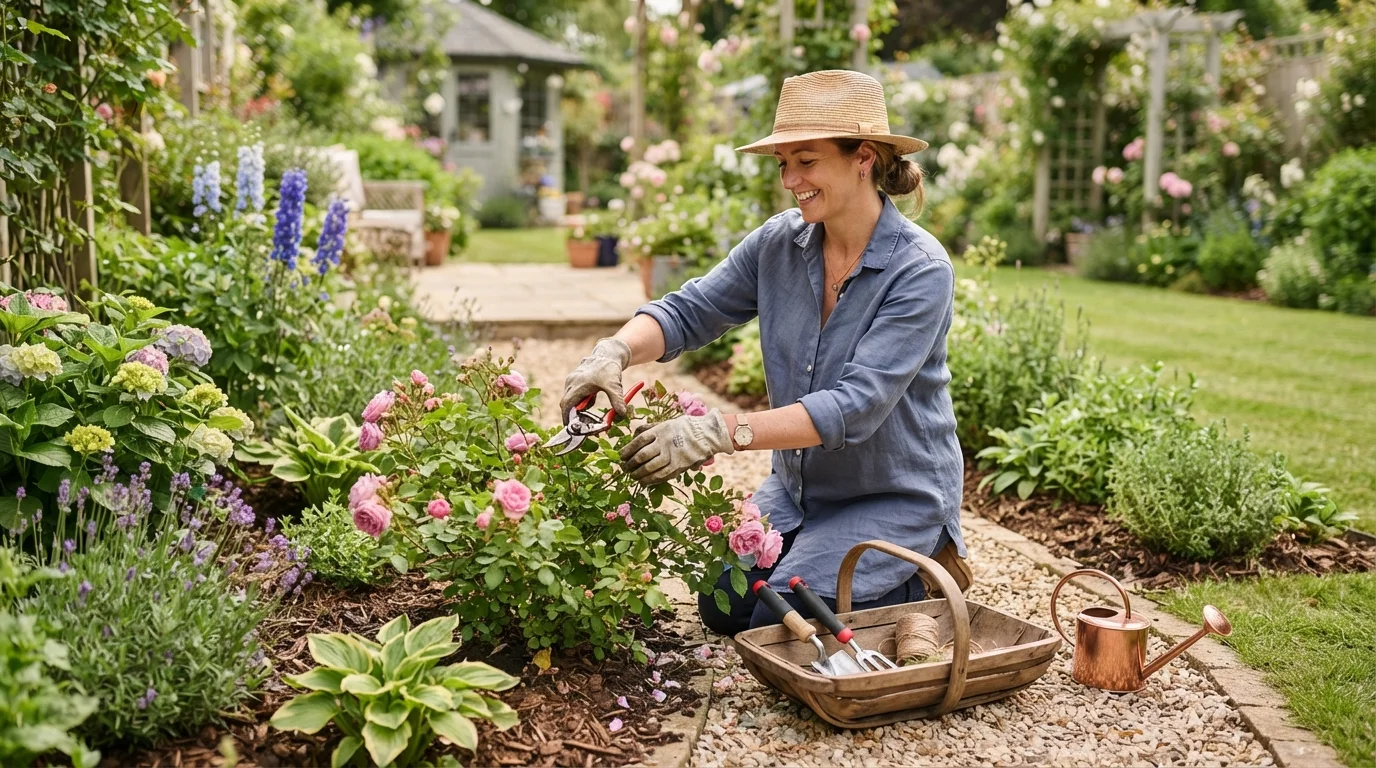
Pruning might seem intimidating, but it’s one of the most important garden maintenance tips you can learn. Proper pruning improves airflow, removes dead or diseased branches, and shapes plants for better growth.
Always use clean, sharp tools. Make cuts at a 45-degree angle just above a node or leaf joint. For flowering shrubs, prune right after they bloom to avoid cutting off next year’s buds.
Don’t go overboard—never remove more than one-third of a plant’s total growth in a single season. And remember, garden maintenance includes knowing when NOT to touch the shears. Leave your spring-blooming plants alone until their flowers fade.
Manage Weeds Before They Take Over
Weeds compete with your plants for water, sunlight, and nutrients. If you let them get out of hand, they’ll choke out your prized flowers and vegetables.
The best offense is a good defense. Apply a layer of mulch and pull weeds as soon as you spot them—ideally when the soil is damp. Use a hand fork to get the roots out completely. Avoid chemical herbicides if you can. They harm beneficial insects and soil life.
Instead, try this quick routine:
- Weed for 10 minutes every morning while you’re having coffee.
- Focus on one garden bed at a time.
- Keep a kneeling pad and a small trowel handy for easy access.
Consistency is key. A few minutes each day beats a marathon session once a month.
Feed Your Plants Naturally
Fertilizing is not just about dumping a bag of synthetic chemicals on your garden. For sustainable garden care, go organic. Compost tea, fish emulsion, and well-rotted manure provide slow-release nutrients without burning roots.
Feed your plants during their active growing season—spring through early fall. Cut back in winter when most plants go dormant. Always follow the “less is more” approach. Over-fertilizing leads to lush leaves but weak flowers and fruit.
For a quick reference, here’s a simple feeding schedule:
| Time of Year | What to Use | Frequency |
|---|---|---|
| Early Spring | Balanced organic fertilizer (5-5-5) | Once at planting time |
| Mid-Summer | Compost tea or fish emulsion | Every 3-4 weeks |
| Fall | Bone meal or rock phosphate | One application |
If you’re wondering how to integrate feeding with house cleaning tips, think of it this way: just like you deep-clean your home seasonally, your garden also needs a feeding refresh at key times.
Plan for Every Season
Great gardens don’t just happen in summer. Seasonal yard upkeep means adapting your routine to what the weather and your plants need.
In spring, focus on cleaning up debris, dividing perennials, and adding fresh compost. Summer is all about consistent watering, deadheading flowers, and pest patrol. Fall is the time to plant bulbs, rake leaves (then compost them), and mulch tender plants for winter protection.
Winter might feel like a break, but it’s ideal for sharpening tools, planning next year’s layout, and ordering seeds. Keeping a simple garden journal helps you track what worked and what didn’t.
For more insights on keeping your outdoor space organized and clutter-free, take a look at our organization and decluttering guides—they translate surprisingly well from indoors to the garden shed.
Curious about a modern, sustainable approach? I highly recommend exploring this comprehensive guide to eco-gardening for advanced techniques that align with eco-friendly garden cleaning principles. It’s a valuable resource for any homeowner committed to going green.
Frequently Asked Questions
1. How often should I water my garden in hot weather?
In extreme heat, you may need to water every 2–3 days. But always check the soil first. Stick your finger about two inches deep—if it’s dry, water deeply. If it’s still moist, wait another day.
2. What’s the best mulch for a vegetable garden?
Straw, shredded leaves, or grass clippings are excellent choices. They break down over time and add nutrients. Avoid dyed mulches, as they can contain chemicals.
3. Can I use kitchen scraps directly in my garden?
It’s better to compost them first. Raw scraps can attract pests and create mold. A simple compost bin or pile turns your kitchen waste into black gold for your soil.
4. How do I know if my plants need fertilizer?
Look for signs like pale leaves, slow growth, or fewer flowers than usual. A soil test kit from your local garden center will give you a clear answer.
5. Should I prune my plants in winter?
It depends on the plant. Most trees and shrubs can be pruned in late winter while they’re dormant. But wait until after blooming for spring-flowering varieties.
6. What’s the easiest way to control garden pests naturally?
Encourage beneficial insects like ladybugs and lacewings. Plant companion herbs like basil and marigold near your veggies. A strong blast of water from a hose can knock off aphids and mites.
7. How much time should I spend on garden maintenance each week?
About 30 minutes to an hour per week for a moderate-sized yard. During peak growing season, you might need a bit more. Consistency makes it feel manageable.
Conclusion
Caring for your garden isn’t rocket science. It’s about building a routine around these best garden care practices and sticking with it. Healthy soil, smart watering, regular pruning, and natural feeding will transform your outdoor space.
Start small. Pick one or two tips from this article and apply them this week. You’ll be amazed at how quickly your garden responds. And if you ever feel stuck, remember: every great gardener started as a beginner. Keep learning, keep growing, and enjoy every minute outside.


