The Ultimate Garden Maintenance Checklist for 2026
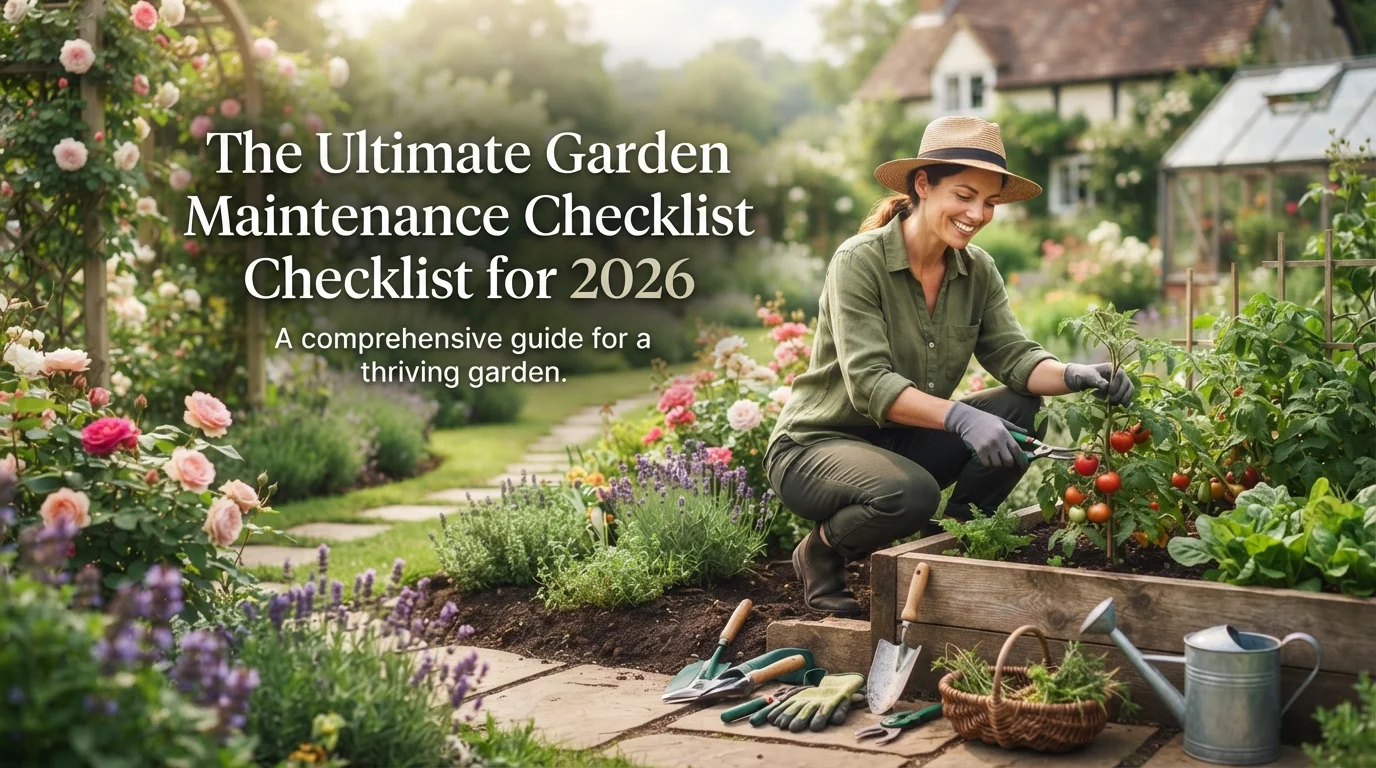
Keeping up with your yard can feel overwhelming, especially when life gets busy. A solid garden maintenance checklist keeps your outdoor space looking its best without the guesswork.
Whether you are a seasoned gardener or just starting out, this guide breaks down exactly what to do month by month. Let’s make 2026 the year your garden thrives.
Why You Need a Garden Maintenance Checklist
Without a plan, it is easy to miss critical tasks like pruning, fertilizing, or clearing debris. A checklist turns chaos into a simple, repeatable system.
It also saves you money. Catching a small weed problem early avoids expensive removal services later. Plus, regular care prevents pests and diseases from spreading.
Think of your garden as an investment. A few minutes of preventive work each week keeps your plants healthy and your lawn lush. That is the whole idea behind a smart seasonal garden tasks routine.
Essential Spring Garden Tasks (March – May)
Spring is the season of renewal. The soil warms up, and plants wake from dormancy. Here is what to focus on:
- Clean your tools: Dirty pruners and shovels spread disease. Give them a thorough scrub. Check out our cleaning hacks for removing stubborn rust.
- Test your soil: A simple pH test tells you if you need lime or sulfur. Most garden centers sell affordable kits.
- Prune dead branches: Cut back anything that winter killed. This improves airflow and shapes your shrubs.
- Apply pre-emergent weed killer: Stop crabgrass before it sprouts. Timing matters—apply when soil temps hit 55°F.
Don’t forget to clean your patio furniture and pathways. A pressure washer works wonders, but you can also use simple soap and water.
Summer Upkeep: Watering, Weeding, and Mowing
Summer heat demands a smart watering strategy. Water deeply in the early morning to reduce evaporation. Shallow watering encourages weak roots.
Weeds explode in warm weather. Pull them when the soil is damp; you will get the entire root system. Consistency is key. Spend just 10 minutes a day on weed control tips and you will stay ahead.
Mow your lawn at the highest recommended height for your grass type. Taller grass shades the soil and retains moisture. Never cut more than one-third of the blade at once.
This is also the perfect time to adopt eco-friendly garden care methods like using rainwater barrels and organic mulch. It keeps your yard green without harming pollinators.
Fall Garden Prep: Cleanup and Protection (September – November)
Fall is for wrapping things up. Rake leaves regularly to prevent mold and smothering your lawn. Add them to a compost pile—they are free organic matter.
Cut back perennials after the first frost. Leave ornamental grasses for winter interest. They also provide shelter for birds.
Fertilize your lawn with a high-potassium fall formula. This strengthens roots for the winter. Aerating the soil now improves drainage and reduces compaction.
Don’t forget to drain and store hoses. Protect outdoor faucets from freezing. A little prep now saves expensive repairs later.
Winter Garden Maintenance: What You Can Still Do
Winter is not a total break. Focus on tool maintenance and planning. Sharpen blades, oil moving parts, and store everything in a dry shed.
Use this downtime to study seed catalogs and sketch new bed layouts. A well-planned garden starts on paper.
If you live in a mild climate, plant bulbs like tulips and daffodils. They need the cold period to bloom in spring.
Indoor cleaning also matters. Check out our house cleaning tips to keep mud and salt from wrecking your floors as you come in from the yard.
Tool Cleaning and Storage: The Overlooked Step
Dirty tools are a top reason for plant disease. Moist soil left on blades breeds bacteria. A quick scrub after each use prevents that.
Make a habit of cleaning your tools every time you finish a task. Use a stiff brush and water. Dry them thoroughly before storing.
For deep cleaning, soak metal parts in white vinegar overnight. It dissolves rust without harsh chemicals. This is one of many simple garden tool cleaning methods that extend the life of your equipment.
Store tools off the ground. Hang them on a pegboard or lean them in a dry corner. It prevents rust and keeps your workspace organized.
Pest Control Without the Toxins
Chemical pesticides kill beneficial insects too. For a healthier garden, try natural alternatives first. Neem oil works against aphids and mites.
Encourage predators like ladybugs and lacewings. Plant dill, fennel, and yarrow to attract them. They will do the pest control for you.
Use row covers to protect young seedlings from chewing insects. It is a simple physical barrier that keeps pests out without any sprays.
For persistent problems, consider organic solutions. According to experts, professional-grade organic pest control products can be highly effective when used correctly. Always follow label instructions.
Monthly Quick-Reference Table
| Month | Top 3 Priorities |
|---|---|
| March | Clean tools, test soil, prune dead wood |
| April | Apply pre-emergent, plant cool crops, mulch beds |
| May | Monitor pests, stake tall plants, begin mowing |
| June | Deep water, pull weeds daily, deadhead flowers |
| July | Fertilize lightly, check for disease, harvest herbs |
| August | Divide perennials, order fall bulbs, refresh mulch |
| September | Aerate lawn, rake leaves, plant fall veggies |
| October | Winterize hoses, fertilize lawn, compost leaves |
| November | Store tools, cut back perennials, protect shrubs |
| December | Plan next year, sharpen blades, feed birds |
Bookmark this table for quick reference. It sums up your entire lawn care routine in one glance.
Frequently Asked Questions
How often should I water my garden in summer?
Most gardens need about 1 inch of water per week, including rainfall. Water deeply 2-3 times a week instead of a little every day.
What is the best time of day to weed?
Early morning or after a rain shower. Moist soil lets you pull weeds out by the root without breaking them.
Do I really need to clean my garden tools?
Yes. Dirty tools spread diseases from plant to plant. Cleaning them takes two minutes and saves you from replacing sick plants later.
How do I keep pests away naturally?
Use neem oil, plant companion flowers, and encourage beneficial insects. Row covers also work for young crops.
When should I fertilize my lawn?
Late spring and early fall are the best times. Use a slow-release organic fertilizer. Avoid fertilizing during a drought.
Can I use indoor cleaning products outdoors?
Not usually. Many contain bleach or ammonia that harms soil life. Stick to biodegradable soaps or dedicated outdoor cleaners.
What is the biggest garden mistake in 2026?
Ignoring soil health. Most problems—weeds, pests, weak growth—trace back to poor soil. Test and amend it every season.
How do I prep my garden for winter?
Rake leaves, drain hoses, cut back dead plants, and apply a layer of mulch. Protect tender shrubs with burlap if you live in a cold area.
Conclusion
Your garden does not have to be a source of stress. A simple garden maintenance checklist turns a messy yard into a beautiful, productive space.
Stick to the seasonal tasks, clean your gear, and use natural solutions where possible. The result is a yard you are proud to show off.
For more guides on keeping your home and garden spotless, explore our garden maintenance archive. Every season brings new opportunities to improve your outdoor space.
Start today. Your 2026 garden will thank you.


