How to Maintain a Low-Maintenance Garden Successfully
You love a beautiful garden, but you don’t have hours every weekend to prune, weed, and water. The good news is that you can enjoy a lush outdoor space without becoming a full-time gardener. The secret lies in planning and smart habits.
This guide walks you through exactly how to maintain a low-maintenance garden successfully. We will cover plant selection, soil preparation, watering tricks, and seasonal tasks that keep your yard looking great with minimal effort. Whether you are a busy professional or a retiree who prefers relaxing over raking, these tips are for you.
Start with the Right Plants for Your Climate
The foundation of any low-maintenance garden is choosing plants that thrive naturally in your region. Native plants are your best friends here. They have adapted to local rainfall, temperature, and soil conditions, which means they require less water, fertilizer, and pest control.
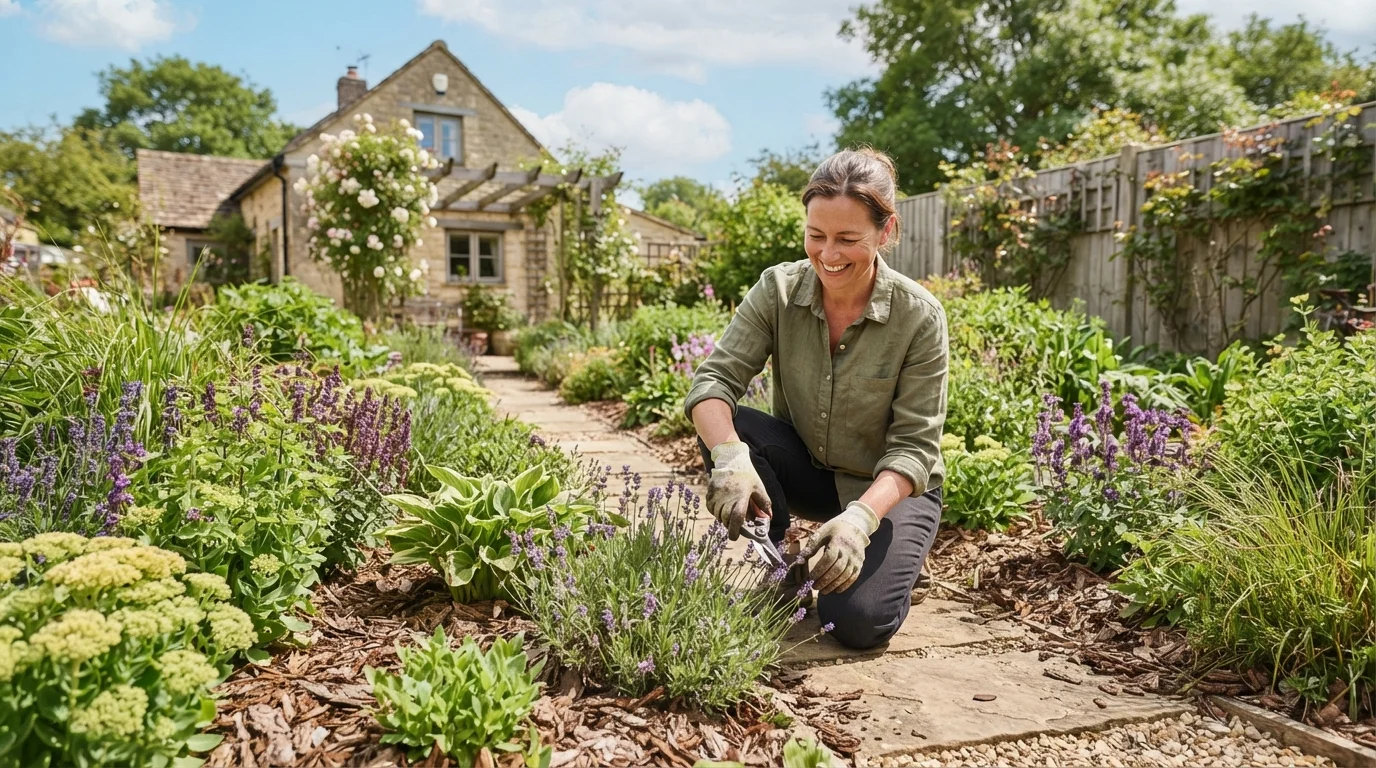
Look for drought-tolerant perennials such as lavender, sedum, or ornamental grasses. Avoid high-maintenance annuals that need deadheading and constant watering. Shrubs like boxwood or dwarf hydrangeas provide structure without demanding much attention.
Group plants with similar water and sunlight needs together. This strategy, known as hydro-zoning, prevents you from overwatering some plants while underwatering others. It simplifies your irrigation routine instantly.
Mulch Everything—Twice a Year
Mulch is the superhero of garden maintenance tips. A thick layer of organic mulch (like bark chips or shredded leaves) suppresses weeds, retains soil moisture, regulates temperature, and slowly adds nutrients to the soil as it decomposes.
Apply a 2 to 3-inch layer around your plants, trees, and shrubs. Avoid piling mulch directly against stems or trunks, as that can cause rot. Refresh the mulch once in spring and once in fall for continuous benefits.
If you want to take it a step further, consider using gravel or pebbles in areas with succulents or cacti. These inorganic mulches last longer and add a modern aesthetic to your low-maintenance landscaping.
Install an Automated Irrigation System
Forgetting to water or manually dragging a hose around the yard is a chore you can eliminate. A drip irrigation system on a timer delivers water directly to the root zone at the best time of day (early morning). It reduces evaporation, prevents fungal diseases, and uses less water than sprinklers.
You can also connect a rain sensor to your system. This smart addition pauses watering when nature does the job for you. Pair this with a thick layer of mulch, and you might only need to water once or twice a week in most climates.
If you are handy, many DIY drip kits are affordable and easy to install over a weekend. For a deeper dive into simplifying your lifestyle, check out our cleaning hacks section for time-saving strategies that extend beyond the garden.
Reduce Lawn Size and Use Ground Covers
Traditional grass lawns demand constant mowing, fertilizing, and watering. Replacing part of your lawn with low-maintenance alternatives can save you hours each month. Consider planting clover, creeping thyme, or sedum as ground covers. These options stay short, resist drought, and attract pollinators.
Another approach is creating defined garden beds with hardscaping elements like stone paths, gravel patches, or wooden decking. These features break up the landscape visually and reduce the area that needs regular maintenance. Many homeowners are now embracing easy garden care by blending hardscaping with native plants.
For more ideas on organizing your outdoor space, visit our organization and decluttering category, which includes tips for streamlining your shed and tool storage.
| Feature | Traditional Lawn | Low-Maintenance Ground Cover |
|---|---|---|
| Mowing Frequency | Weekly (season) | Once or twice per year |
| Water Needs | High (1-2 inches/week) | Low to moderate |
| Fertilizer | 3-4 times per year | None or once per year |
| Weed Control | Frequent weeding/herbicides | Minimal (mulch helps) |
| Environmental Impact | Higher (mowers, chemicals) | Lower (supports biodiversity) |
Embrace Sustainable Gardening Practices
Sustainable gardening goes hand-in-hand with low-maintenance gardening. Composting kitchen scraps and yard waste creates free, nutrient-rich soil that reduces the need for store-bought fertilizers. Set up a compost bin in a corner of your yard and let nature do the work.
Rain barrels are another simple addition. They collect runoff from your roof, providing free water for your plants. This reduces your water bill and conserves a precious resource. According to general home and garden experts featured on platforms like this resource, such practices significantly cut down long-term garden labor.
Also, avoid chemical pesticides. They kill beneficial insects and can create dependency. Instead, welcome natural predators like ladybugs, lacewings, and birds by planting flowers that attract them. A healthy ecosystem manages pests for you.
- Start a compost pile with grass clippings, leaves, and vegetable scraps.
- Install a rain barrel under a downspout near your garden.
- Plant pollinator-friendly flowers like coneflower and bee balm.
- Use organic, slow-release fertilizers once or twice a year.
Prune and Weed on a Schedule
Even a low-maintenance garden needs occasional attention. The trick is timing. Do a heavy pruning session in late winter or early spring before new growth begins. This shapes your plants, removes dead wood, and encourages vigorous growth.
For weeding, spend just 10 to 15 minutes a week walking through your garden with a hand tool. Remove weeds when they are small and the soil is damp (after rain or watering). This prevents them from establishing deep roots and spreading. Consistency beats marathon sessions every time.
If you prefer a deeper clean of your outdoor living areas, explore our house cleaning tips for patio furniture, deck scrubbing, and window care—all part of keeping your entire property tidy.
Seasonal Care Checklist
Adapting your routine to the seasons keeps your low-maintenance garden resilient year-round. Here is a simple checklist:
- Spring: Remove winter debris, refresh mulch, prune dead branches, and start watering as temperatures rise.
- Summer: Check irrigation system, deadhead spent blooms (only if needed), and monitor for pests.
- Fall: Rake leaves (or leave a thin layer as mulch), cut back perennials after frost, and plant spring bulbs.
- Winter: Protect tender plants with burlap or frost cloth, clean and store garden tools, and plan changes for next year.
Stick to this light schedule, and your garden will reward you with beauty and resilience without demanding your weekends. For further guidance on keeping your outdoor area in shape, check our garden maintenance category for more seasonal articles.
Frequently Asked Questions (FAQ)
1. What is the best mulch for a low-maintenance garden?
Organic mulches like shredded bark, pine straw, or wood chips are excellent. They suppress weeds, retain moisture, and improve soil as they decompose. Apply a 2-3 inch layer annually.
2. How often should I water a low-maintenance garden?
It depends on your plants and climate, but a drip irrigation system on a timer set to water deeply once or twice a week is usually sufficient. Deep watering encourages strong root systems.
3. Can I have a flower garden that is low-maintenance?
Absolutely. Choose perennials that bloom for long periods and are native to your area. Examples include black-eyed Susan, salvia, and daylilies. Avoid annuals that require deadheading and replanting.
4. What is the easiest ground cover to replace grass?
Clover is very popular because it stays green, resists drought, and requires mowing only once or twice per year. Creeping thyme and sedum are also good options for sunny spots.
5. Do I need to fertilize a low-maintenance garden?
Minimally. A thin layer of compost in spring is usually enough. If you have heavy feeders like roses or vegetables, you may need a slow-release organic fertilizer once per season.
6. How do I prevent weeds without chemicals?
Mulch heavily, use landscape fabric under paths, hand-pull weeds when they are small, and plant densely so garden plants shade out weed seeds. Consistency in early spring is key.
7. Is hardscaping worth the investment?
Yes. Patios, gravel paths, and raised beds reduce the area that needs planting and weeding. They add structure and curb appeal while dramatically cutting down on garden chores long-term.
Conclusion
Maintaining a low-maintenance garden is not about doing nothing—it is about working smarter, not harder. By choosing native plants, using mulch, automating irrigation, and embracing sustainable habits, you can create a garden that thrives with minimal intervention.
Start small. Replace one high-maintenance area this season. Add a rain barrel or a drip system. As you see the results, you will gain confidence to expand. The result is more time to enjoy your outdoor space with family, friends, or a good book—not a weeding tool in your hand.
Remember, the key to how to maintain a low-maintenance garden successfully is consistency, not intensity. A little effort at the right time goes a long way.


