10 Garden Maintenance Tips for a Healthier Yard
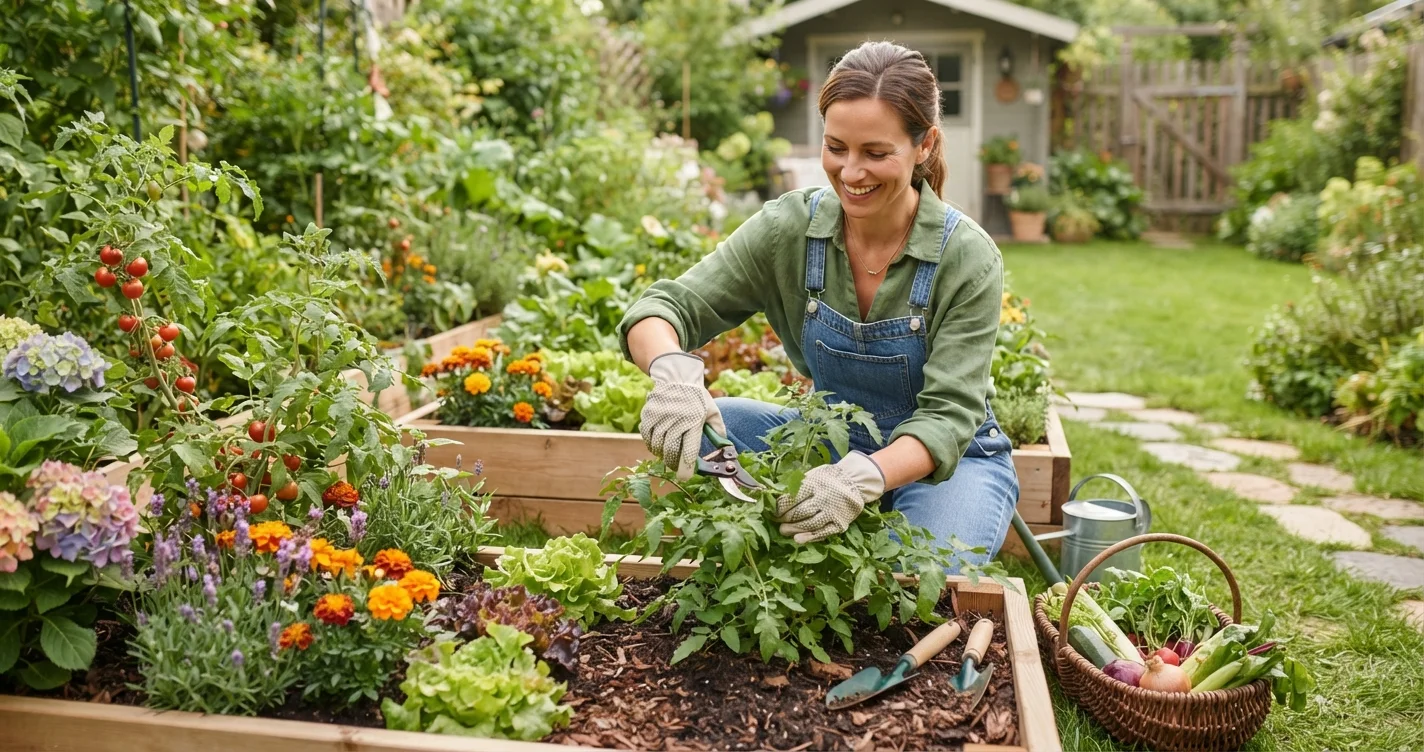
A lush, healthy yard doesn’t just happen by accident. It takes consistent effort, smart planning, and a few proven garden maintenance tips to keep everything looking its best all year round. Whether you’re a seasoned gardener or just getting started, small daily habits can make a huge difference.
In this guide, we’ll walk you through 10 actionable strategies that cover everything from pruning to soil care. These are practical, easy-to-follow steps you can start applying right now.
1. Stick to a Consistent Lawn Care Routine
Your lawn is the foundation of your yard. A regular lawn care routine going into spring and fall keeps grass thick and weeds thin. Mow at the correct height for your grass type—usually around 3 inches for cool-season grasses.
Water deeply but infrequently, about once a week with one inch of water. This encourages deeper root growth, which makes your lawn more drought-resistant. Also, keep your mower blades sharp to avoid tearing the grass and inviting disease.
2. Mulch for Moisture and Weed Control
Mulching is one of the simplest garden maintenance tips with a big payoff. A 2-3 inch layer of organic mulch around trees, shrubs, and flower beds retains moisture, regulates soil temperature, and blocks weed germination.
Use shredded bark or wood chips for a natural look. Just be sure to keep mulch a few inches away from plant stems to prevent rot. Refresh the layer once or twice a year, especially after heavy rain.
3. Prune at the Right Time
Pruning isn’t just about aesthetics—it’s about plant health. Remove dead or crossing branches in late winter before new growth starts. For flowering shrubs, prune right after they bloom so you don’t cut off next year’s buds.
Use clean, sharp tools to make clean cuts. Always cut at a 45-degree angle just above a node. This promotes faster healing and reduces the risk of infection.
4. Test and Improve Your Soil Health
Your plants can’t thrive if the soil is poor. Every yard benefits from regular soil health improvement. Get a simple soil test kit from your local garden center to check pH and nutrient levels.
Most plants prefer a pH between 6.0 and 7.0. If yours is off, you can adjust it with lime (to raise pH) or sulfur (to lower it). Mix in compost or aged manure twice a year to boost organic matter and feed beneficial microbes.
5. Practice Seasonal Garden Cleaning
Don’t let fallen leaves and dead stems sit all winter. A good seasonal garden cleaning in fall and spring prevents pests and diseases from overwintering. Rake up leaves, pull weeds, and remove spent annuals.
In early spring, cut back ornamental grasses and perennials to make way for new growth. Compost healthy plant debris, but toss anything that looks diseased into the trash to avoid spreading problems.
6. Use Eco-Friendly Pest and Weed Control
Harsh chemicals can harm pollinators and your soil microbiome. Instead, opt for sustainable yard work methods. Hand-pull weeds after rain when the soil is soft, and apply corn gluten meal as a natural pre-emergent herbicide.
For pests, introduce beneficial insects like ladybugs and lacewings. You can also make a simple soap spray with water and a few drops of dish soap to tackle aphids. For more natural solutions, check out our eco-friendly cleaning category.
7. Water Smartly with a Soaker Hose
Overhead sprinklers waste a lot of water to evaporation. A soaker hose or drip irrigation system delivers water directly to the root zone, cutting water use by up to 50%. This is especially useful for vegetable gardens and flower beds.
Set a timer to water early in the morning—between 5 and 7 a.m.—so the leaves dry out during the day. Wet foliage overnight can lead to fungal diseases.
8. Fertilize According to Plant Needs
Not all plants need the same amount of food. Slow-release granular fertilizers work well for lawns and perennials, while liquid fertilizers are better for containers and annuals. Always follow the package directions to avoid burning the roots.
Consider doing a “soil test first” approach to know exactly what nutrients are missing. Over-fertilizing can cause rapid, weak growth that attracts pests.
9. Divide Overcrowded Perennials
When your daylilies or hostas start looking crowded and bloom fewer flowers, it’s time to divide them. Early spring or fall is the best time. Dig up the clump, separate it into smaller sections with roots attached, and replant them.
This simple technique rejuvenates the plants and gives you free new plants to fill in gaps or share with neighbors. It also improves airflow around each plant, reducing the risk of powdery mildew.
10. Keep Your Tools Clean and Sharp
Dirty, dull tools can spread diseases and make your work harder. After each use, wipe down pruners, shovels, and trowels with a disinfectant like rubbing alcohol. Sharpen blades at least once a season.
Store everything in a dry place to prevent rust. A little maintenance here goes a long way—you’ll get cleaner cuts, less effort, and healthier plants. For more quick fixes around the house, see our cleaning hacks section.
| Task | Season | Frequency |
|---|---|---|
| Mow lawn | Spring to Fall | Weekly |
| Mulch beds | Spring & Fall | Twice a year |
| Prune shrubs | Late Winter | Annually |
| Test soil pH | Spring | Once a year |
| Clean up leaves | Fall & Spring | As needed |
| Divide perennials | Spring or Fall | Every 3–4 years |
| Sharpen tools | Before each season | 2–4 times a year |
Tracking these tasks on a simple calendar will keep your garden maintenance on schedule without overwhelming you. And if you’re already deep into spring cleanup, our garden maintenance category has more seasonal guides to help.
Frequently Asked Questions (FAQ)
How often should I water my garden?
Most established plants need about 1 inch of water per week, including rainfall. Water deeply once or twice a week rather than shallow daily sprinkles.
What is the best mulch for flower beds?
Shredded hardwood bark or pine straw are excellent choices. They break down slowly, improve soil structure, and look natural. Avoid fresh wood chips near vegetable beds as they can temporarily tie up nitrogen.
Can I compost diseased plant material?
No. Diseased leaves, stems, or roots should be thrown in the trash or burned (where allowed). Home compost piles often don’t get hot enough to kill pathogens, and you risk spreading them back into your garden next season.
When is the best time to fertilize?
Early spring as growth begins and again in mid-summer for heavy feeders. Avoid fertilizing in late fall—it encourages tender new growth that can be damaged by frost.
Should I remove fallen leaves in autumn?
Yes, but you can leave a thin layer on lawn areas if you mow them into fine pieces. Thick leaf mats block sunlight and smother grass. Use them as mulch in flower beds or add them to your compost pile.
What kills weeds without chemicals?
Boiling water works great for driveway cracks and patios. For garden beds, hand-pulling after rain is the most effective. Corn gluten meal can prevent weed seeds from germinating. For a deep dive, check out this organic garden health resource for more natural solutions.
How do I know if my soil needs lime?
A soil test is the only reliable way. Most garden centers sell inexpensive test kits. If your pH is below 6.0, adding garden lime will raise it. Blueberries and azaleas like more acidic soil, so skip the lime for those.
Why are my plant leaves turning yellow?
Yellowing can be caused by overwatering, underwatering, nutrient deficiency (especially nitrogen or iron), or poor drainage. Check the soil moisture first—if it’s soggy, let it dry out; if dry, water deeply. For organized garden planning, visit our organization and decluttering section to keep your tools and schedule in check.
Conclusion
A healthier yard really comes down to consistency and doing the right thing at the right time. By following these garden maintenance tips, you’ll save time, reduce stress, and enjoy a space that’s more vibrant and resilient.
Start with one or two tasks this weekend—like mulching or testing your soil—and build from there. Your garden will thank you with stronger growth, fewer weeds, and more blooms. Happy gardening!


