
How to Keep Your Garden Beautiful All Year Round
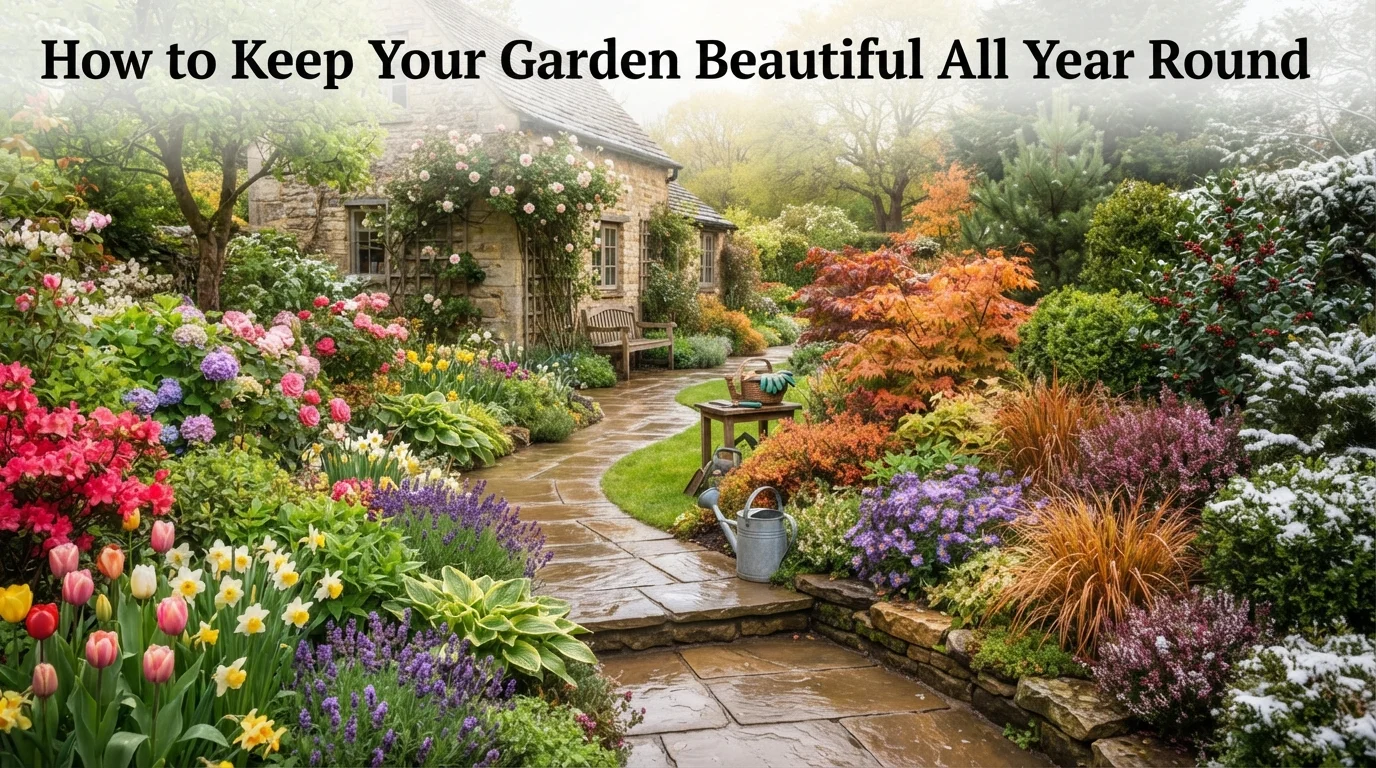
Keeping your outdoor space vibrant through every season isn’t just about luck—it’s about smart planning. Whether you face scorching summers or frosty winters, a consistent routine makes all the difference. This guide covers everything you need to know about how to keep your garden beautiful all year round, blending practical care with simple strategies.
You don’t need to be a professional landscaper to achieve a stunning yard. With a few proven techniques and some dedication, your garden can thrive regardless of the calendar. Let’s dive into the essential steps.
1. Understand Your Local Climate and Soil
Before planting anything, take time to know your environment. Different regions have unique weather patterns, frost dates, and soil types. Testing your soil’s pH and nutrient levels helps you choose plants that naturally flourish.
For example, clay-heavy soil holds water longer, while sandy soil drains quickly. Adjust your watering schedule and compost additions based on what you find. This foundational knowledge prevents frustration and wasted effort later.
Check your hardiness zone to select perennials that survive your coldest months. A little research upfront saves time and money.
2. Plan a Seasonal Planting Calendar
Staggering blooms and foliage ensures constant color and texture. Spring bulbs like tulips and daffodils give way to summer annuals—think marigolds and petunias. Autumn brings chrysanthemums and ornamental kale, while evergreens and winter berries keep interest alive in colder months.
Create a simple chart of what to plant and when. This keeps your garden looking full and fresh, not patchy or barren. Rotate annuals each year to prevent soil depletion and pest buildup.
3. Prioritize Consistent Watering and Mulching
Water deeply but less frequently to encourage strong root growth. Early morning watering reduces evaporation and fungal issues. Drip irrigation systems are ideal for delivering moisture directly to roots.
Mulch is your best friend for year-round garden maintenance. A 2–3 inch layer of organic mulch (like bark or straw) regulates soil temperature, retains moisture, and suppresses weeds. Refresh it each season to maintain effectiveness.
This simple habit dramatically reduces the time you spend weeding and watering.
4. Keep Up with Pruning and Deadheading
Regular trimming promotes healthy growth and more flowers. Remove dead or diseased branches immediately to prevent spreading. Deadheading—cutting off spent blooms—encourages plants to produce new buds.
For shrubs and trees, prune during their dormant season (typically late winter). For flowering perennials, trim after the blooming cycle ends. Use clean, sharp tools to make precise cuts.
Don’t forget to clean your tools between uses to avoid transferring diseases. A quick wipe with rubbing alcohol works wonders.
5. Maintain Cleanliness and Weed Control
A tidy garden isn’t just pretty—it’s healthier. Remove fallen leaves, debris, and dead plant material regularly. These spots can harbor pests and fungi that damage your plants.
Weeds compete for water and nutrients. Pull them out by the root before they set seed. For larger areas, consider using landscape fabric or pre-emergent herbicides. For more creative approaches, check out our cleaning hacks for eco-friendly weed solutions.
A weekly 15-minute walkthrough keeps everything under control.
6. Fertilize Smartly for Each Season
Plants need different nutrients at different times. In spring, use a balanced fertilizer to support new growth. Summer calls for a bloom-booster with higher phosphorus. In fall, switch to a potassium-rich formula to strengthen roots for winter.
Organic options like compost tea or fish emulsion feed the soil rather than just the plant. Always follow package instructions—over-fertilizing can burn roots and harm beneficial insects.
Keep a log of when you feed each section of your garden. Consistency is key to vibrant growth.
7. Protect Your Garden from Extreme Weather
Harsh sun, wind, frost, and heavy rain can stress plants. Use shade cloth during heatwaves and windbreaks (like fences or hedges) for exposed areas. Cover tender plants with frost cloth or burlap when temperatures drop.
Raised beds improve drainage during wet seasons, and reflective mulch can protect roots from overheating. If you live in a dry area, incorporate drought-tolerant species like lavender or succulents.
Adapting your care routine to weather extremes keeps your garden resilient.
8. Implement Eco-Friendly Pest and Disease Management
Healthy plants resist pests better. Encourage beneficial insects like ladybugs and lacewings by planting dill, fennel, or yarrow. Use neem oil or insecticidal soap for mild infestations, targeting only affected areas.
Rotate crops each year to disrupt pest life cycles. Remove infected leaves immediately to stop spread. For deeper guidance on natural solutions, explore our eco-friendly cleaning resources that work for both indoor and outdoor spaces.
Chemical pesticides should be a last resort—they often kill helpful insects too.
9. Refresh Hardscape and Decorative Elements
Paths, patios, and garden furniture need occasional cleaning too. Pressure wash stone or concrete surfaces to remove moss and grime. Repaint or seal wooden benches and trellises yearly.
Adding new pots, statuary, or lighting can instantly update your garden’s look without replanting. Swap out seasonal decorations (like fall gourds or spring wreaths) to keep things interesting.
These small touches make your outdoor space feel curated and inviting.
10. Keep a Journal and Adjust as You Go
Write down what worked and what didn’t each season. Note bloom times, pest outbreaks, and weather patterns. Over time, this journal becomes your personal gardening manual.
Don’t be afraid to experiment—try a new variety or shift a plant to a sunnier spot. Gardening is a learning process, and every mistake teaches you something.
For more structured guidance, browse our garden maintenance category for deeper dives into specific topics.
| Season | Key Tasks | Fertilizer Type |
|---|---|---|
| Spring | Plant annuals, prune shrubs, apply mulch | Balanced (10-10-10) |
| Summer | Water deeply, deadhead flowers, control weeds | Bloom booster (high phosphorus) |
| Fall | Plant bulbs, remove debris, protect tender plants | Potassium-rich (for root strength) |
| Winter | Clean tools, plan next year, feed birds | None (dormant period) |
This table gives you a quick at-a-glance reference for each season. Stick it on your shed wall or save it to your phone.
FAQ: Your Year-Round Garden Questions Answered
1. What is the most important thing for year-round garden beauty?
Consistency. Regular watering, weeding, and deadheading prevent small problems from becoming big ones. A little effort each week beats a massive cleanup every few months.
2. How often should I water my garden in summer?
Deeply water 2–3 times per week, allowing the top inch of soil to dry between sessions. Adjust based on rainfall and plant type—succulents need less, vegetables need more.
3. Can I keep my garden colorful in winter?
Absolutely. Plant evergreen shrubs, winter-blooming heathers, and ornamental grasses. Add berries from holly or viburnum, and use colored pots or winter pansies for extra pop.
4. What’s the best mulch for year-round use?
Organic bark or wood chips are versatile. They break down slowly, add nutrients, and look natural. Avoid cocoa mulch if you have dogs—it’s toxic to pets.
5. How do I deal with pests without harsh chemicals?
Encourage natural predators like birds and ladybugs. Use companion planting—marigolds repel nematodes, basil deters flies. For emergencies, neem oil is a safe organic option.
6. When should I prune my plants?
Prune spring bloomers right after they flower. Prune summer bloomers in late winter or early spring before new growth. Dead or damaged branches can be removed anytime.
7. How can I make garden maintenance easier?
Group plants with similar water and sun needs together. Install drip irrigation on a timer. Keep tools clean and organized. For more time-saving ideas, check our organization and decluttering tips.
Conclusion
Learning how to keep your garden beautiful all year round doesn’t have to be overwhelming. By focusing on soil health, seasonal planting, consistent care, and smart protection, you can enjoy a lush, inviting outdoor space every single month.
Start with one or two of the steps above, then gradually build your routine. Your garden will reward you with color, fragrance, and peace. For extra inspiration, check out trusted resources like this guide on thriving gardens and this eco-friendly gardening tool for advanced techniques.
Remember, a beautiful garden is a journey, not a destination. Enjoy every season and every bloom.


