
Garden Maintenance Secrets Professional Landscapers Use
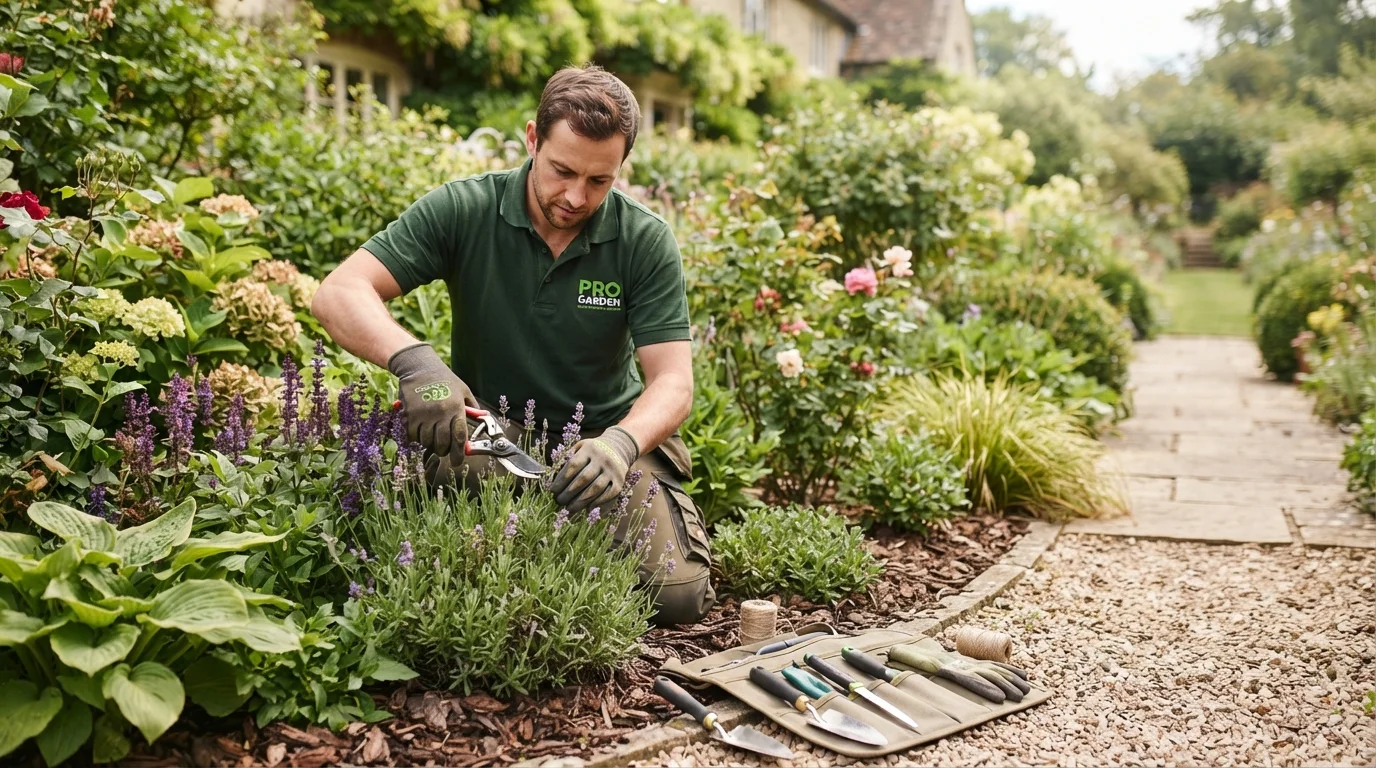
You look at your neighbor’s yard and wonder: How does it always look like a magazine cover? The answer isn’t a magic potion or a secret tool. It’s a set of garden maintenance secrets that professional landscapers use every day. And the best part? You can use them too.
After 15 years in the Home and Garden Cleaning space, I’ve watched pros turn tired lawns into lush landscapes with simple, repeatable habits. This isn’t about working harder — it’s about working smarter. Let’s pull back the curtain.
1. Start With the Soil, Not the Plant
Every pro knows that healthy soil is the foundation of a low-maintenance garden. If your soil is compacted or nutrient-poor, no amount of watering or fertilizer will fix the underlying issue. Think of soil as the engine of your garden.
Landscapers test their soil pH at least once a season. They add organic matter — like compost or aged manure — to improve drainage and microbial life. A simple soil test kit costs less than a dinner out and pays off tenfold.
For a deeper dive into non-toxic upkeep, check out our guide on eco-friendly cleaning practices that also apply to garden beds and patio surfaces.
2. The “Right Plant, Right Place” Rule
This is the single biggest time-saver in professional landscaping. Pros never force a sun-loving plant into a shady corner. They map their yard’s light patterns — morning sun, afternoon shade, full sun — and choose plants that thrive in those exact conditions.
When you match a plant to its ideal environment, you reduce watering, pruning, and pest control needs by half. It’s a professional landscaping tip that saves you hours of frustration.
3. Smart Pruning: Less Is More
Amateurs hack away at shrubs. Pros make three precise cuts. The secret to healthy pruning techniques is understanding the “three Ds”: remove Dead, Damaged, and Diseased wood first. After that, step back and assess the plant’s natural shape.
Never prune more than 25% of a plant in one season. Over-pruning stresses the plant and triggers weak, spindly growth. For tools, invest in a pair of sharp bypass pruners — they make a clean cut that heals faster.
- Spring-flowering shrubs: Prune right after blooming.
- Summer-flowering shrubs: Prune in late winter or early spring.
- Evergreens: Light pruning in early summer only.
4. Water Deeply, Not Often
The single biggest mistake homeowners make is shallow, frequent watering. This encourages roots to stay near the surface, making plants dependent on constant irrigation. Professional landscapers water deeply — about 6 to 8 inches down — and then let the soil dry out completely before the next watering.
A simple trick: stick a screwdriver into the soil. If it goes in easily, hold off on watering. If it’s hard to push, it’s time to soak. This method is central to seasonal garden care and prevents root rot, fungus, and wasted water.
5. Mulch Like a Pro (But Don’t Volcano It)
Mulch is the unsung hero of garden maintenance secrets. It suppresses weeds, retains moisture, and slowly feeds the soil as it breaks down. But there’s a catch: pros never pile mulch against plant stems or tree trunks. That “volcano mulching” traps moisture and invites rot and pests.
Apply a 2- to 3-inch layer of organic mulch — shredded bark, pine straw, or leaf compost — in a flat, even donut shape around plants. Keep it a few inches away from the base. Refresh it once or twice a year for best results.
6. The Weekly Weed Walk (Only 10 Minutes)
Professional landscapers don’t schedule a big weeding day. They do a quick 10-minute “weed walk” every week. They walk the perimeter of the garden with a small hand fork, pulling weeds when they are tiny and before they set seed.
This proactive approach keeps the weed population manageable year after year. It’s the same philosophy behind garden maintenance routines that prevent small tasks from becoming weekend-long projects.
7. Know Your Growing Zone and Microclimates
Your USDA hardiness zone is a starting point, but pros look at microclimates — the warm spot next to a brick wall, the frost pocket at the bottom of a slope, the dry area under a large tree. They place plants accordingly.
This is where soil health improvement intersects with smart placement. A plant that struggles in an open lawn might thrive in a protected, south-facing bed. Take an afternoon to observe your yard at different times of day. You’ll quickly spot where moisture lingers and where the sun beats down hardest.
For related shortcuts around the house, our cleaning hacks section includes time-saving methods that apply to outdoor furniture and pathways too.
Comparison: Pro vs. DIY Maintenance Approaches
| Task | Typical DIY Approach | Professional Landscaper Approach |
|---|---|---|
| Watering | Daily, light sprinkling | Deep soak once or twice a week |
| Pruning | Hedge trimmers on everything | Hand pruners, selective cuts |
| Weeding | Monthly marathon session | 10-minute weekly walk |
| Mulching | Piled against stems | Even 2–3 inch flat layer |
| Fertilizing | Generic all-purpose | Soil test + targeted amendment |
Frequently Asked Questions
How often should I fertilize my garden?
It depends on your soil test results. Most established gardens do well with a single application of balanced organic fertilizer in early spring. Over-fertilizing does more harm than good.
What’s the best time of day to water?
Early morning (between 5 a.m. and 9 a.m.) is ideal. Water evaporates less, leaves dry quickly, and plants have all day to absorb moisture. Evening watering can promote fungal diseases.
Can I use grass clippings as mulch?
Yes, but only in thin layers. Fresh clippings can mat down and create a barrier that blocks water and air. Dry them first or mix with shredded leaves.
How do I know if I’m overwatering?
Check the soil 2 inches below the surface. If it feels soggy, you’re overwatering. Yellowing leaves and mold on the soil surface are also warning signs.
What’s the easiest way to improve clay soil?
Add organic matter like compost or well-rotted manure. Avoid sand — it can make clay soil even harder. Gypsum is an option for improving drainage without changing pH.
When should I prune my hydrangeas?
It depends on the variety. Old wood bloomers (like bigleaf) should be pruned right after flowering. New wood bloomers (like panicle) can be pruned in late winter or early spring.
Is it worth hiring a landscaper for a one-time cleanup?
Absolutely — especially if your garden has become overgrown. A professional cleanup resets the space, and then you can maintain it yourself using these professional landscaping tips.
How do I keep pests away without chemicals?
Encourage beneficial insects like ladybugs and lacewings. Use neem oil or insecticidal soap for spot treatments. Healthy soil and proper spacing also reduce pest pressure naturally. For more ideas, explore our house cleaning tips that extend to outdoor spaces.
Conclusion
You don’t need a degree in horticulture or a crew of five to have a stunning garden. These garden maintenance secrets — from soil-first thinking to the 10-minute weed walk — are simple, repeatable, and proven by years of professional use.
Start with one change this week. Test your soil. Time your watering. Take that short weekly walk. Small shifts in your routine yield big results over a season. Your garden will thank you — and so will your weekend schedule.
For a complete guide to keeping every corner of your home and yard in top shape, check out this trusted resource on home care and maintenance systems used by seasoned homeowners.


