How to Remove Tough Stains Using Everyday Items
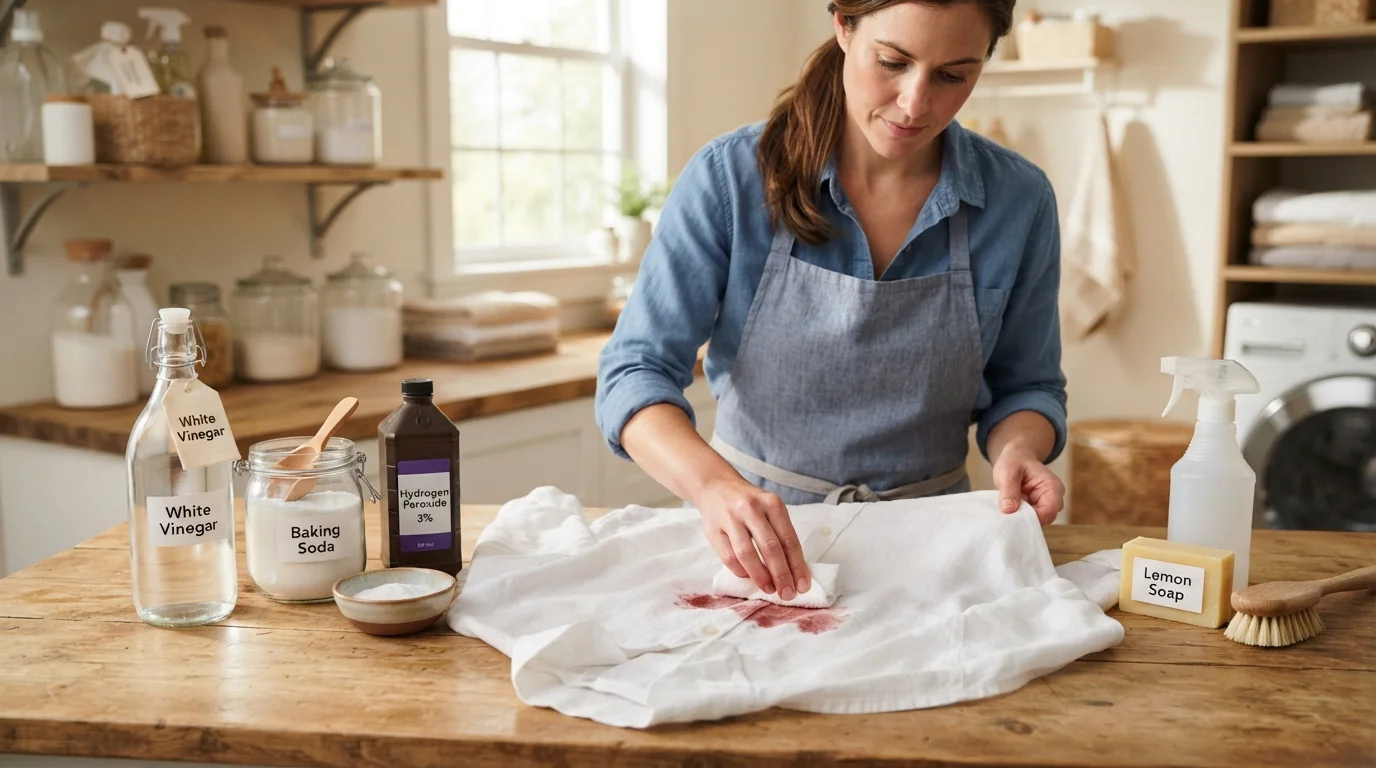
You don’t need a cabinet full of expensive, chemical-laden sprays to tackle stubborn stains. In fact, some of the most effective stain fighters are already sitting in your pantry or under your sink. From red wine spills on the carpet to grease marks on your favorite shirt, you can remove tough stains using everyday items without breaking the bank.
As a cleaning expert with 15 years of experience, I’ve tested countless DIY solutions. The best part? These methods are safe for your family, pets, and the planet. Let’s dive into the most effective, natural stain removal techniques that actually work.
Why Everyday Items Work Better Than Commercial Cleaners
Many commercial stain removers contain harsh chemicals that can damage fabrics and irritate your skin. In contrast, items like baking soda, white vinegar, and lemon juice are gentle yet powerful. They break down stains through natural chemical reactions without leaving toxic residues.
For example, vinegar’s acidity dissolves alkaline stains like coffee and tea, while baking soda’s abrasive texture lifts ground-in dirt. Plus, these are sustainable choices if you’re exploring eco-friendly cleaning routines for your home.
How to Remove Red Wine Stains with Salt and Club Soda
Red wine spills are notorious for setting quickly. But if you act fast, you can lift the stain completely with just two items: salt and club soda. First, blot the excess wine with a clean cloth (don’t rub!). Then, pour a generous amount of salt over the stain. The salt absorbs the liquid almost instantly.
After a few minutes, scrape off the salt and pour club soda over the area. Blot again until the stain disappears. For older, dried stains, make a paste of salt and lemon juice, let it sit for 30 minutes, and rinse with cool water.
Baking Soda and Vinegar: The Ultimate Duo for Grease and Grime
Baking soda and white vinegar are the champions of home cleaning hacks. Together, they create a fizzy reaction that lifts grease, oil, and stubborn food stains from countertops, stovetops, and even upholstery.
To clean a greasy stove, sprinkle baking soda over the surface, then spray vinegar until it bubbles. Let it sit for 10 minutes, then scrub with a sponge. For clothes, apply a paste of baking soda and water to the grease stain, wait 15 minutes, then launder as usual. This method is a lifesaver for kitchen disasters.
Removing Coffee and Tea Stains with Lemon Juice
Yellowish coffee and tea stains on mugs or clothes can be frustrating. Lemon juice, with its natural bleaching properties, is your best friend here. For ceramic mugs, rub half a lemon directly on the stain and rinse after 10 minutes.
For fabric, mix equal parts lemon juice and water, apply it to the stain, and place the item in direct sunlight for an hour. The sun amplifies the bleaching effect. Always test on a hidden area first to avoid discoloration.
This simple trick aligns perfectly with house cleaning tips that prioritize natural ingredients.
How to Remove Ink and Marker Stains with Rubbing Alcohol
Ink stains from pens or markers don’t stand a chance against isopropyl alcohol. Place a paper towel under the stained fabric, then dab a cotton ball soaked in alcohol onto the stain. The ink will transfer to the paper towel. Repeat until the stain lifts.
For hard surfaces like tables, rub the area with alcohol and a microfiber cloth. This works on ballpoint pen marks, permanent marker, and even some lipstick stains. Just remember to work in a well-ventilated area.
Using Toothpaste for Scuff Marks and White Rings
White toothpaste (not gel) is a surprisingly effective cleaner for scuff marks on walls and floors. Apply a pea-sized amount to a damp cloth and rub the mark in circular motions. It acts as a mild abrasive that breaks down the rubber or plastic residue.
You can also use toothpaste to remove white water rings from wooden furniture. Gently rub the stain with a paste of toothpaste and baking soda, then wipe clean with a damp cloth. Follow up with furniture polish to restore shine.
Table: Quick Reference for Stain Removal with Household Items
| Stain Type | Everyday Item | Method |
|---|---|---|
| Red Wine | Salt & Club Soda | Blot, apply salt, rinse with club soda |
| Grease/Oil | Baking Soda & Vinegar | Paste of baking soda, spray vinegar, scrub |
| Coffee/Tea | Lemon Juice | Rub half lemon, rinse or sun-dry |
| Ink/Marker | Rubbing Alcohol | Dab with alcohol-soaked cotton |
| Scuff Marks | White Toothpaste | Rub with toothpaste on cloth |
| Grass | White Vinegar | Soak in vinegar, then launder |
Other Everyday Items That Work Wonders
Here are a few more pantry staples that can save the day:
- Cornstarch: Absorbs grease and oil stains on fabric and carpets.
- Hydrogen peroxide: Great for bleach-safe white clothes and blood stains.
- Dish soap: Cuts through grease on clothing and upholstery.
- Salt: Removes sweat stains by making a paste with water.
These cheap alternatives are staples for anyone serious about cleaning hacks that save time and money.
When to Call for Backup
While these DIY methods are highly effective, some stains (like old set-in rust or bleach burns) are permanent and cannot be removed. If you’ve tried a solution three times with no improvement, it’s time to accept the stain or consult a professional cleaner.
For outdoor furniture or garden tools that have stubborn grime, check out garden maintenance guides for specific cleaning tips.
For a deeper dive into professional-grade natural cleaning techniques, you might find this external resource on natural cleaning solutions helpful as a reference.
Frequently Asked Questions
Can I use these methods on all types of fabric?
Always test a small, hidden area first. Delicate fabrics like silk or wool may react poorly to acidic items like lemon juice or vinegar. Stick to mild soap and water for those materials.
How long should I let baking soda sit on a stain?
For fresh stains, 10–15 minutes is enough. For dried or set-in stains, let the paste sit for 30 minutes to an hour before rinsing.
Is white vinegar safe for stone countertops?
No. Vinegar’s acidity can etch natural stone like granite or marble. Use a specialized stone cleaner instead. For other surfaces, vinegar is perfectly safe.
What’s the best way to remove blood stains?
Cold water and hydrogen peroxide are your best bet. Never use hot water on blood, as it sets the protein in the stain. Soak the fabric in cold water with hydrogen peroxide for 15 minutes, then rinse.
Does sunlight really help remove stains?
Yes, sunlight is a natural bleaching agent. It works especially well on yellowing whites, sweat stains, and fruit juice stains. Just wet the fabric with lemon juice or water and lay it in direct sunlight.
Can I mix baking soda and vinegar in a spray bottle?
Only if you use them in separate steps. Mixing them in a sealed bottle creates pressure and may burst. Apply baking soda first, then spray vinegar on top.
Are these methods safe for colored fabrics?
Most are safe, but test first. Lemon juice and hydrogen peroxide can lighten colored fabrics. For dark colors, stick to baking soda, salt, or dish soap.
Final Thoughts
You don’t need to stock up on costly chemicals to keep your home spotless. With a few basic pantry items, you can remove tough stains using everyday items and maintain a fresh, clean home. These natural methods are not only effective but also kinder to your wallet and the environment.
Next time you face a stain emergency, reach for your kitchen cabinet before grabbing a spray bottle. Your clothes, carpets, and countertops will thank you.


