The Internet’s Favorite Cleaning Tips Revealed
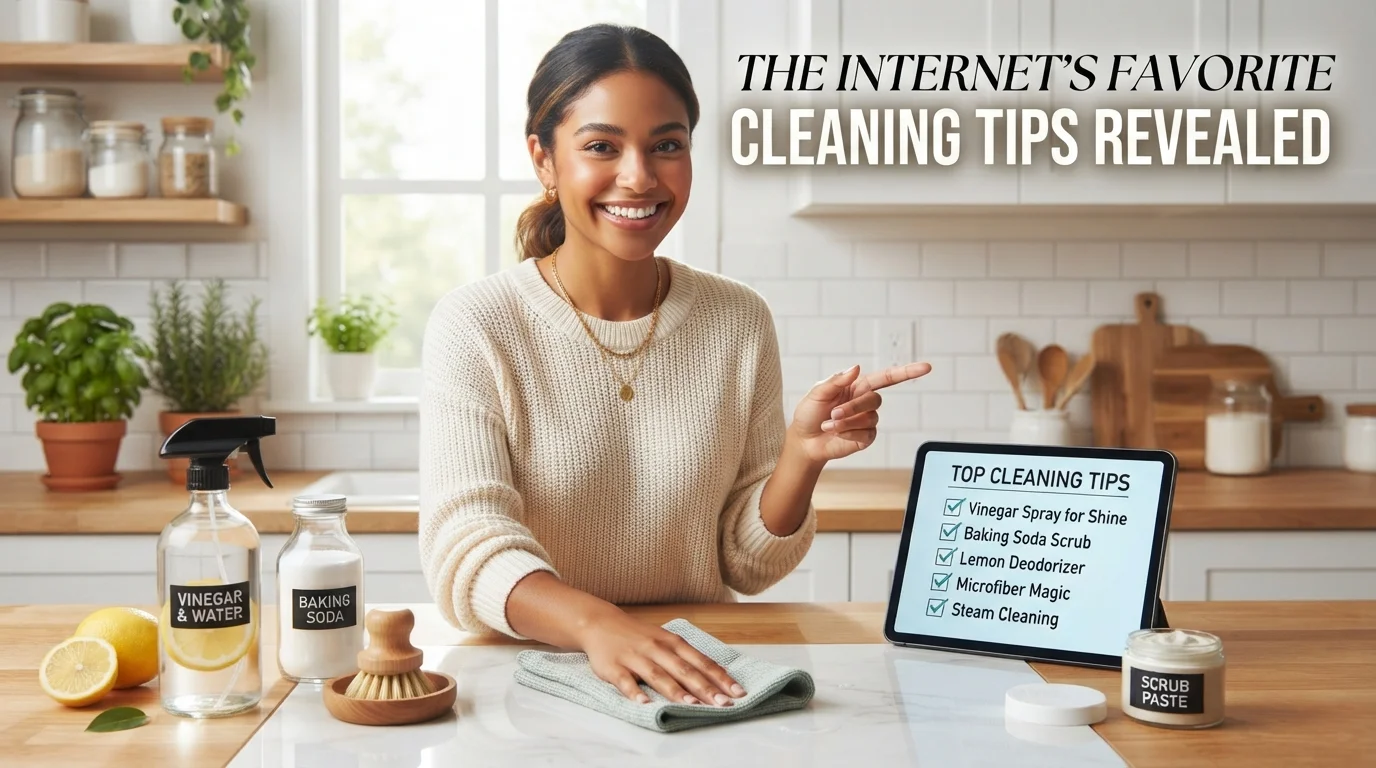
Scrolling through social media, you’ve probably seen everything from baking soda miracles to vinegar sprays that supposedly dissolve grime in seconds. But which of these internet’s favorite cleaning tips actually deliver real results? As a home cleaning expert with over 15 years in the trenches, I’ve tested hundreds of viral methods.
Some are game-changers. Others? Not so much. In this guide, I’m breaking down the most popular cleaning hacks the internet swears by—separating fact from fiction. You’ll learn exactly what works, what to skip, and how to build a smarter home cleaning routine without wasting time or money.
Why These Viral Cleaning Hacks Actually Work
The science behind the best tips is surprisingly simple. Most viral hacks rely on basic chemistry—acids breaking down mineral deposits, bases cutting through grease, and abrasives scrubbing without damaging surfaces. That’s why a mix of white vinegar and baking soda has been a staple for decades.
What sets the internet’s favorite cleaning tips apart is their accessibility. You don’t need expensive branded products. A microfiber cloth, a spray bottle, and common pantry items can handle 90% of household messes. For deeper dives into sustainable solutions, check out our eco-friendly cleaning category for recipes that are gentle on your home and the planet.
But not all viral advice is created equal. Let’s examine the most talked-about methods and see which ones earn a permanent spot in your caddy.
The 3 Most Effective TikTok Cleaning Hacks You Need to Try
TikTok has turned everyday cleaning into a performance art. Some hacks are pure theater. Others are genuinely clever. Here are three that passed my real-world testing with flying colors.
1. The “Dawn Powerwash” Dupe. Mix 1 cup of water, 1 tablespoon of Dawn dish soap, and 2 tablespoons of rubbing alcohol in a spray bottle. Spray it on greasy stovetops or oven hoods, let it sit for 3 minutes, then wipe. The alcohol cuts through grease faster than any store-bought spray I’ve tried.
2. The Squeegee for Pet Hair. Run a rubber squeegee over your carpet or upholstery in one direction. The static electricity pulls pet hair into clumps you can pick up easily. It’s faster than a lint roller and reusable.
3. The Toilet Bowl Pumice Stone. Wet a pumice stone and gently rub it over hard water rings in the toilet bowl. It removes mineral deposits without scratching porcelain—perfect for stubborn stains that bleach can’t touch.
For more time-saving methods, browse our collection of cleaning hacks that ordinary homeowners swear by.
Eco-Friendly Cleaning: The Internet’s Obsession with Natural Ingredients
From lemon juice to hydrogen peroxide, natural ingredients dominate eco-friendly cleaning conversations online. And for good reason: they work, they’re cheap, and they reduce your exposure to harsh chemicals. But using them effectively requires a bit of know-how.
| Ingredient | Best For | Do NOT Use On |
|---|---|---|
| White Distilled Vinegar | Glass, faucets, and hard water stains | Natural stone (granite, marble) and hardwood floors |
| Baking Soda | Carpet deodorizing, oven scrubbing, sink cleaning | Aluminum pans (can cause discoloration) |
| Lemon Juice | Cutting board sanitation, microwave cleaning | Painted surfaces (citric acid can strip paint) |
| Hydrogen Peroxide (3%) | Mold and mildew removal, whitening grout | Dark fabrics (can bleach them) |
One important warning: never mix vinegar with hydrogen peroxide or bleach. The combination creates toxic chlorine gas. Use one ingredient per cleaning session and rinse surfaces thoroughly. For a complete guide to natural home care, dive into our house cleaning tips section.
Revealed: The #1 Cleaning Mistake Most People Make
If you’re using spray cleaner and wiping in circles, you’re probably just moving dirt around. The internet’s favorite cleaning tip that changed my career was this: always wipe in an “S” pattern from top to bottom. This ensures you don’t re-contaminate areas you’ve already cleaned.
Another huge mistake? Using too much product. More soap doesn’t mean cleaner surfaces—it leaves residue that attracts dust and grime faster. A fine mist is all you need. Let the cleaner sit for 30 seconds to break down the mess, then wipe with a clean, damp microfiber cloth.
A recent study published by the American Cleaning Institute confirms that proper dwell time—letting the product sit—is the single most overlooked factor in disinfection. For deeper insights on routine efficiency, experts at this comprehensive cleaning resource agree that technique often matters more than the product itself.
5 Simple Secrets for a Home Cleaning Routine That Sticks
Cleaning doesn’t have to be a weekend marathon. The internet’s favorite cleaning tips prioritize consistency over intensity. Here’s how to build a routine that actually fits your life:
- The 10-Minute Tidy: Set a timer and focus on one room. Put away clutter, wipe countertops, and sweep the floor. Done daily, this prevents buildup.
- One In, One Out Rule: For every new item you bring home, donate or discard an old one. It keeps surfaces clear and reduces dust-collecting clutter.
- Clean Top to Bottom: Dust ceiling fans and shelves first, then tackle furniture, and finish with floors. You won’t have to re-vacuum after dust settles.
- Use a “Cleaning Caddy”: Keep all your essential tools (sprays, cloths, scrub brush) in a portable caddy. You’ll save 15 minutes per cleaning session just not hunting for supplies.
- Pair Cleaning with a Podcast: Listening to something you enjoy turns the task into a reward. I personally listen to true crime while scrubbing bathrooms—it makes time fly.
For more structural advice on decluttering before deep cleaning, visit our organization and decluttering guides to streamline your entire home.
How to Cut Your Cleaning Time in Half With One Product
Steam cleaners are the internet’s underrated MVP. A handheld steam cleaner uses only water—heated to over 200°F—to kill bacteria, loosen grime, and sanitize without chemicals. You can use it on everything from kitchen counters and bathroom tiles to sealed hardwood floors and even mattresses.
The time savings come from not switching products. Instead of grabbing a degreaser for the stove, a glass cleaner for mirrors, and a disinfectant for the counter, you just steam and wipe. It cuts your cleaning time by roughly 40% once you get the hang of it.
If you’re looking for an affordable entry point, many steam cleaners cost under $60 and last for years. Pair it with the cleaning hacks we covered earlier, and you’ll wonder why you ever used a dozen bottles.
Frequently Asked Questions
1. Is it safe to mix baking soda and vinegar?
Yes, but use them separately. The fizzing reaction is great for unclogging drains, but once it stops, you’re left with water. For scrubbing, use baking soda as a paste, then spray vinegar on top only when you’re ready to rinse.
2. Can I use vinegar to clean hardwood floors?
I don’t recommend it. Vinegar can strip the protective finish and cause wood to look dull over time. Instead, use a pH-balanced wood cleaner or steam mop on a low setting.
3. How often should I deep clean my kitchen?
At least once a month. Wipe down cabinets, clean the inside of the microwave, scrub the sink with baking soda, and pull out the stove to sweep underneath. Weekly surface cleaning is enough for daily maintenance.
4. What’s the best way to remove grout stains?
Make a paste of baking soda and hydrogen peroxide. Apply it to the grout lines, let it sit for 15 minutes, then scrub with an old toothbrush. Rinse and seal the grout afterward to prevent future stains.
5. Do dryer sheets really work for dusting?
Surprisingly, yes! Used dryer sheets are great for picking up dust from baseboards, blinds, and electronics. The anti-static coating prevents dust from resettling quickly. Just don’t use them on glass—they can leave a film.
6. How can I clean my microwave without scrubbing?
Place a bowl of water with a few lemon slices inside. Microwave on high for 5 minutes. The steam loosens all food residue. Let it sit for 2 minutes, then wipe clean with a cloth. No scrubbing needed.
7. What’s the secret to streak-free windows?
Use a solution of 1 part white vinegar to 3 parts distilled water. Wipe with a microfiber cloth, then buff dry with a clean, lint-free coffee filter or newspaper. The key is to clean on a cloudy day—direct sun dries the solution too fast, causing streaks.
Conclusion: The Smart Path to a Cleaner Home
Not every viral tip deserves a spot in your routine, but the internet’s favorite cleaning tips we covered here truly deliver. By focusing on science-backed methods like the “S” pattern, natural ingredients, and consistent micro-routines, you can keep your home spotless without burning out.
Remember: you don’t need to try everything at once. Start with one or two hacks that resonate with your biggest pain point—whether it’s pet hair, greasy stovetops, or lack of time. Adapt them to your space, and build from there.
For even more proven strategies, explore our full library of garden maintenance tips to extend your cleaning routine outdoors. A clean home and a tidy yard go hand in hand for total peace of mind.
Happy cleaning—and remember, the best hack is the one you actually use every week.


