How to Deep Clean Your Home Without Feeling Overwhelmed
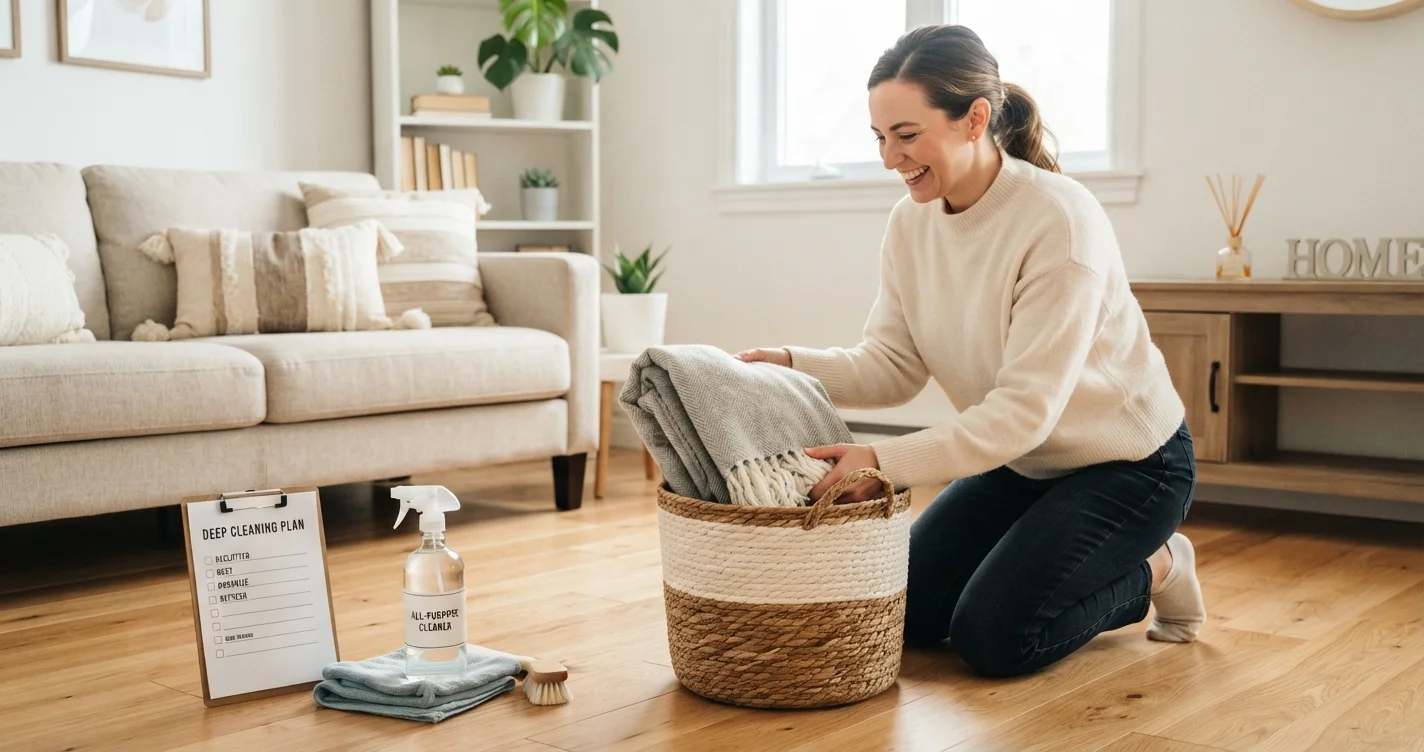
Let’s be honest: the thought of a full deep clean can trigger a mini panic attack. Staring at a messy kitchen, dusty shelves, and grimy floors all at once is enough to make anyone want to crawl back into bed.
But here’s the good news: you can deep clean your home without feeling overwhelmed. The trick isn’t working harder—it’s working smarter. With the right plan, you’ll tackle the dirt without the dread.
In this guide, I’ll show you exactly how to break down the process, choose your tools, and build momentum. By the time you finish reading, you’ll feel ready (and maybe even excited) to start.
Why Deep Cleaning Feels So Daunting (And How to Flip the Switch)
Most of us get overwhelmed because we treat deep cleaning as one giant, monstrous task. Psychologically, when a job feels too big, our brain shuts down. This is called “task paralysis.”
Simple fix: Stop seeing the whole house. See one drawer. One shelf. One corner. When you shrink the scope, your brain registers it as doable. You build confidence with each small win.
Another hidden culprit? Perfectionism. You don’t need a magazine-ready home. You just need a clean, healthy space. Give yourself permission to do “good enough.”
Prepare Like a Pro: Gather Your Supplies First
Nothing kills momentum like running to the pantry mid-cleaning because you ran out of vinegar. Before you scrub a single tile, assemble a deep cleaning caddy with these essentials:
- All-purpose cleaner (or DIY vinegar + water solution)
- Microfiber cloths (at least 6—wash and reuse them)
- Scrub brushes (stiff for grout, soft for surfaces)
- Glass cleaner and a squeegee
- Vacuum with attachments + mop
- Rubber gloves and a trash bag
If you prefer non-toxic formulas, check out our collection of eco-friendly cleaning hacks that use simple pantry ingredients. They work just as hard as chemicals, without the fumes.
The Golden Rule: Always Work Top to Bottom, Left to Right
This isn’t just a suggestion—it’s a physics rule. Dust and debris fall downward. If you vacuum the floor first and then wipe a ceiling fan, you’ll have to vacuum again. Waste of time.
Order of operations for any room:
1. Dust ceiling corners, light fixtures, and fan blades.
2. Wipe walls, window sills, and baseboards.
3. Scrub sinks, toilets, and countertops.
4. Vacuum or sweep the floor.
5. Mop last.
By moving left to right across the room, you also avoid backtracking. You’ll finish a full cycle without missing a spot.
Room-by-Room Cleaning Checklist (Your Stress-Free Roadmap)
Don’t try to do the whole house in one day. Instead, follow this room-by-room cleaning checklist over a week. Focus on one zone per day for 30–45 minutes.
Here’s a simple schedule that works for most homes:
| Day | Room | Key Tasks |
|---|---|---|
| Monday | Kitchen | Degrease stovetop, wipe cabinets inside & out, clean oven racks |
| Tuesday | Bathrooms | Scrub grout, soak showerhead in vinegar, deep clean toilet |
| Wednesday | Living / Dining | Wash curtains, dust blinds, vacuum under furniture |
| Thursday | Bedrooms | Vacuum mattress, wipe baseboards, declutter nightstands |
| Friday | Entry & Halls | Clean doors, light switches, and shoe storage |
| Saturday | Bonus / Laundry | Wipe down machines, sort cleaning tools, restock supplies |
For more detailed guidance on each space, our house cleaning tips section covers everything from mattress stains to greasy range hoods.
Beat Overwhelm with the 10-Minute Rule
Sometimes even 30 minutes feels like too much. That’s fine. Set a timer for just 10 minutes. Clean one small area—like the microwave inside or a bathroom sink. When the timer goes off, you can stop.
Here’s the magic: most people don’t stop. Once you start moving, momentum carries you forward. That 10-minute task often turns into 20 or 30 minutes. You beat the hardest part—starting.
Pair this with a treat. Promise yourself a cup of tea or an episode of your favorite show after the timer ends. Positive reinforcement works wonders.
Smart Hacks That Cut Cleaning Time in Half
Let’s talk efficiency. You don’t need to scrub everything with brute force. Use these proven shortcuts:
- Microwave a bowl of water with lemon slices for 2 minutes—steam loosens all food residue. Wipe clean instantly.
- Dryer sheets aren’t just for laundry. Rub one on baseboards to repel dust for days.
- Let cleaners sit. Spray your shower cleaner, then clean another room. Give chemicals (or vinegar) 10 minutes to dissolve soap scum before scrubbing.
- Use a squeegee on your shower walls after each shower—dramatically reduces weekly scrubbing.
These small tweaks reduce friction and make the deep clean feel lighter. For more clever strategies, browse our cleaning hacks library—it’s full of reader-tested shortcuts.
Don’t Forget the Forgotten Spots
A true deep clean goes beyond surface level. We all remember to wipe the counter, but what about the top of the fridge? Or the light switch plates? Those spots accumulate surprising grime.
5 most forgotten spots during a deep clean:
- Behind and under large appliances (fridge, stove, washer)
- Inside light fixtures and lampshades (dust = dimmer light)
- Door frames and hinges (check for greasy fingerprints)
- Remotes, keyboards, and phone screens (bacteria magnets)
- Under couch cushions and behind furniture (change, crumbs, and dust bunnies)
Dedicate your last 10 minutes of each cleaning session to one of these forgotten spots. They make a visible difference.
Building a Maintenance Routine That Sticks
Once your home is deep cleaned, you want it to stay that way without burning out. The secret? Never let a mess become a monster.
Spend 5–10 minutes each evening resetting the main living areas: wipe counters, fluff pillows, put away clutter. This small habit prevents the “mountain of dishes” feeling.
For the long term, create an efficient cleaning schedule that rotates tasks weekly. One week focus on windows, the next on baseboards. Keep a list on your fridge. For garden and outdoor areas, our garden maintenance guide has seasonal tips to keep patios and tools in top shape.
FAQs About Deep Cleaning Without Overwhelm
1. How often should I deep clean my home?
Most homes benefit from a deep clean every 3–6 months. High-traffic homes with kids or pets may need it every 2–3 months. Use visual cues: if dust builds up on shelves or grout looks dingy, it’s time.
2. What’s the difference between regular cleaning and deep cleaning?
Regular cleaning is daily or weekly maintenance (wiping counters, sweeping floors). Deep cleaning tackles neglected areas like behind appliances, inside ovens, and washing curtains. It’s thorough and takes longer per room.
3. Can I deep clean if I only have 20 minutes a day?
Absolutely. Focus on one micro-zone per day—like one bathroom or the inside of one kitchen cabinet. Over a week, you’ll cover the whole house without exhaustion. This is the core of our room-by-room approach.
4. What’s the best natural cleaner for deep cleaning?
A 50/50 mix of white vinegar and water is excellent for glass, mirrors, and countertops. For tougher grease, add a few drops of Castile soap and warm water. Baking soda paste works great for scrubbing sinks and bathtubs. These are staples in any eco-friendly cleaning hacks kit.
5. How do I motivate myself to deep clean when I feel lazy?
Start with the 10-minute timer trick. Put on high-energy music or a podcast. Reward yourself after. Often the hardest part is the first 90 seconds—once you start moving, motivation follows.
6. Should I hire a professional deep cleaner?
If your schedule is packed or you have health issues, hiring once a year is smart. Even pros recommend doing a monthly “touch-up deep clean” between their visits to maintain results.
7. How do I keep my home from getting dirty so fast?
Use doormats at every entrance (outside and inside). Take shoes off at the door. Run an air purifier to trap dust. These simple habits reduce the need for full deep cleans by keeping dirt out in the first place.
Conclusion: Start Small, Finish Strong
You don’t need a superhero cape to deep clean your home. You just need a plan, the right tools, and permission to take it step by step. Whether you follow the room-by-room cleaning checklist or the 10-minute rule, the key is simple: start.
Remember, a perfectly clean home isn’t the goal. A home that feels good to live in—that’s the win. So pick one room, set your timer, and give it 10 minutes. You’ve got this.
If you found this helpful, save it for your next cleaning day. And if you’re looking for specific methods for your garden space, consider exploring authoritative external resources like professional cleaning guides. For example, this comprehensive cleaning resource offers deep insights for tackling stubborn stains and maintenance schedules.


