Easy Ways to Attract Birds and Butterflies to Your Yard
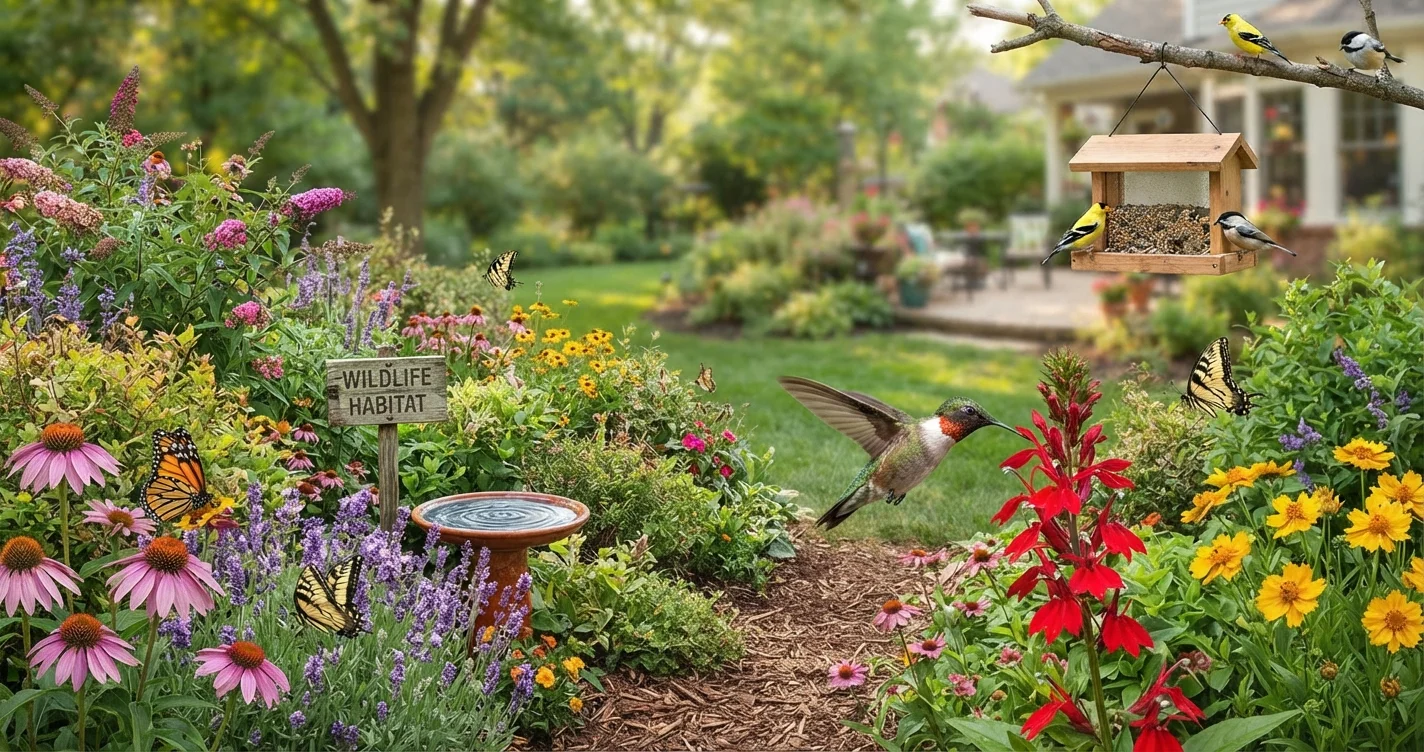
Imagine stepping into your backyard and being greeted by the flutter of painted lady wings and the cheerful song of a goldfinch. Turning that dream into reality isn’t just for master gardeners — it’s something you can start doing this weekend.
Attracting birds and butterflies to your yard boosts local biodiversity and gives you a front-row seat to nature’s show. Best of all, many of the steps overlap with smart garden maintenance routines you probably already follow. Let’s dig into the easiest, most effective ways to roll out the welcome mat for these winged visitors.
Why Your Yard Needs Pollinators and Birds
Birds and butterflies aren’t just pretty decorations. They’re essential to a healthy ecosystem. Butterflies pollinate flowers while birds control insect populations and spread seeds.
A yard that welcomes wildlife also tends to be healthier. Fewer pests mean less need for harsh chemicals, and more pollinators lead to better blooms and vegetable yields. According to the National Audubon Society, a single chickadee family can eat hundreds of caterpillars in one nesting season — talk about natural pest control!
Choose Native Plants That Feed and Shelter
The number one secret to a thriving wildlife garden is planting native species. Local birds and butterflies have co-evolved with these plants, so they recognize them as food sources.
For butterflies, include host plants (where they lay eggs) and nectar plants. Milkweed is non-negotiable for monarchs, while dill, fennel, and parsley feed swallowtail caterpillars. For birds, berry-producing shrubs like serviceberry and viburnum are gold mines.
Aim for a mix of flowers that bloom from early spring to late fall so there’s always something in season. Native grasses and coneflowers are low-maintenance options that double as seed sources for finches.
- Top nectar plants for butterflies: purple coneflower, butterfly bush, black-eyed Susan, lantana, zinnia
- Top berry plants for birds: elderberry, blueberry, winterberry holly, dogwood, sumac
- Top caterpillar host plants: milkweed, dill, parsley, oak trees, willow
Provide Fresh Water Every Day
Water is the quickest way to attract birds and butterflies to your yard. A simple birdbath works wonders, but shallow dishes or a small recirculating fountain are even better.
Butterflies can’t land on deep water. They prefer “puddling” areas — shallow, muddy spots where they sip minerals. Place a flat dish filled with sand and keep it moist. Add a few flat stones so they have safe perches.
Clean your water features weekly to prevent mosquito breeding. This aligns perfectly with your house cleaning tips routine — a quick scrub with a brush keeps everything fresh and safe for wildlife.
Create Layers of Cover and Nesting Spots
Birds need places to hide from predators and raise their young. Dense shrubs, evergreen trees, and brush piles offer critical shelter. Don’t be too tidy — leaving a few fallen branches or leaf litter creates microhabitats for insects that birds eat.
Consider adding nesting boxes for cavity-nesting species like bluebirds and chickadees. Mount them 5 to 10 feet high, facing away from prevailing winds. For butterflies, stack a few flat rocks in a sunny spot — they love basking there to warm their wings.
A layered landscape (tall trees, understory shrubs, groundcovers) mimics natural woodlands and supports more species than a manicured lawn ever could. This is where solid organization and decluttering of your garden space pays off — grouping plants by function makes maintenance easier and wildlife happier.
Ditch the Pesticides and Go Natural
This one’s non-negotiable. Pesticides, especially neonicotinoids, are devastating to pollinators and the birds that eat insects. Even “organic” sprays can harm caterpillars and larvae.
Instead, embrace a little imperfection. A few aphids? Let the ladybugs handle them. Caterpillars munching on dill? That means butterflies are coming. Use physical barriers like row covers for your veggie garden if needed.
Switching to eco-friendly methods not only protects wildlife but also makes your yard safer for kids and pets. For more ideas, check out our eco-friendly cleaning guides — the same principles apply outdoors.
Plan Your Garden Layout for Maximum Impact
Butterflies are cold-blooded and love sunny, sheltered spots. Place your butterfly garden in an area that gets at least six hours of sun a day and is shielded from strong winds.
Group the same plant species in drifts (clusters of 3-5 plants) rather than scattering them. This makes it easier for pollinators to spot a feeding station from a distance. Birds also prefer to fly between familiar food sources without crossing wide open lawns.
Include a few flat stones or a small gravel path for basking. A simple bench nearby lets you sit and enjoy the show while keeping disturbance to a minimum.
| Feature | Benefits for Birds | Benefits for Butterflies |
|---|---|---|
| Native flowering plants | Seeds, berries, insect prey | Nectar and host leaves |
| Shallow water source | Drinking and bathing | Puddling for minerals |
| Dense shrubs & trees | Nesting and roosting cover | Shelter from wind & rain |
| Sunny basking spots | Warming up in morning | Wing-drying and thermoregulation |
| No pesticides | Safe insects to eat | Safe larvae development |
Keep Feeders Clean and Stocked
Bird feeders are an excellent supplement, especially in winter or early spring when natural food is scarce. Use a mix of black-oil sunflower seeds, nyjer seeds, and suet cakes to attract different species.
But feeders come with responsibility. Dirty feeders spread disease among birds. Clean them every two weeks with a 10% bleach solution, rinse thoroughly, and let them dry completely before refilling.
Place feeders near shrubs so birds have a quick escape route from predators, but at least 10 feet from windows to prevent collisions. Regular cleaning hacks like using a bottle brush and vinegar solution make the chore quick and chemical-free.
FAQ: Attracting Birds and Butterflies to Your Yard
How long does it take for birds and butterflies to find my garden?
It varies. If you have the right plants and water, you may see visitors within days. Full establishment usually takes one to two growing seasons as plants mature and word spreads among the local wildlife.
Do I need a big yard to attract birds and butterflies?
No. Even a balcony with a few pots of native flowers and a shallow dish of water can attract pollinators. Container gardening works wonderfully for butterflies, and a small feeder will bring in house finches and sparrows.
What’s the single most important thing I can do?
Stop using pesticides. That one change has the biggest positive impact on the health of both birds and butterflies in your yard. Then add native plants and water.
Should I use a butterfly house?
Most butterfly houses sold commercially are decorative rather than functional. Butterflies don’t typically use them for shelter. You’re better off providing natural cover like dense shrubs and stacked rocks.
How often should I change the water in my birdbath?
Change it every two to three days in warm weather to prevent mosquito larvae and algae growth. Scrub the basin weekly with a brush and plain water — no soap needed.
Can I attract hummingbirds with the same setup?
Yes! Hummingbirds love tubular red and orange flowers like bee balm, salvia, and trumpet vine. Adding a small sugar-water feeder (1 part sugar to 4 parts water, no dye) will bring them in fast.
What if I have cats that roam outside?
Outdoor cats are a serious threat to birds. If you want to attract birds and butterflies to your yard, keep cats indoors or provide a screened catio. Birds won’t stick around if they sense a predator nearby.
Do I need to remove all dead plant material in fall?
Not at all. Many butterflies and beneficial insects overwinter in dried leaves, hollow stems, and brush piles. Leave some plant debris until late spring, then clean up gradually to protect the critters living there.
Conclusion: Start Small, Enjoy the Process
You don’t need a huge budget or a degree in horticulture to attract birds and butterflies to your yard. Start with one native shrub, add a shallow water source, and skip the chemicals. You’ll be amazed at how quickly wildlife responds.
Remember that your yard is part of a larger neighborhood ecosystem. Every milkweed you plant, every birdbath you keep clean, and every pesticide you skip makes a difference. For more guidance on keeping your outdoor space beautiful and functional, browse our garden maintenance resources.
As a trusted resource for home and garden care, we also recommend exploring the ultimate guide to eco-friendly backyard transformation for deeper insights into creating a wildlife-friendly landscape that’s easier to maintain. Happy gardening — and enjoy the wings that come your way!


