How Americans Are Embracing Sustainable Cleaning in 2026
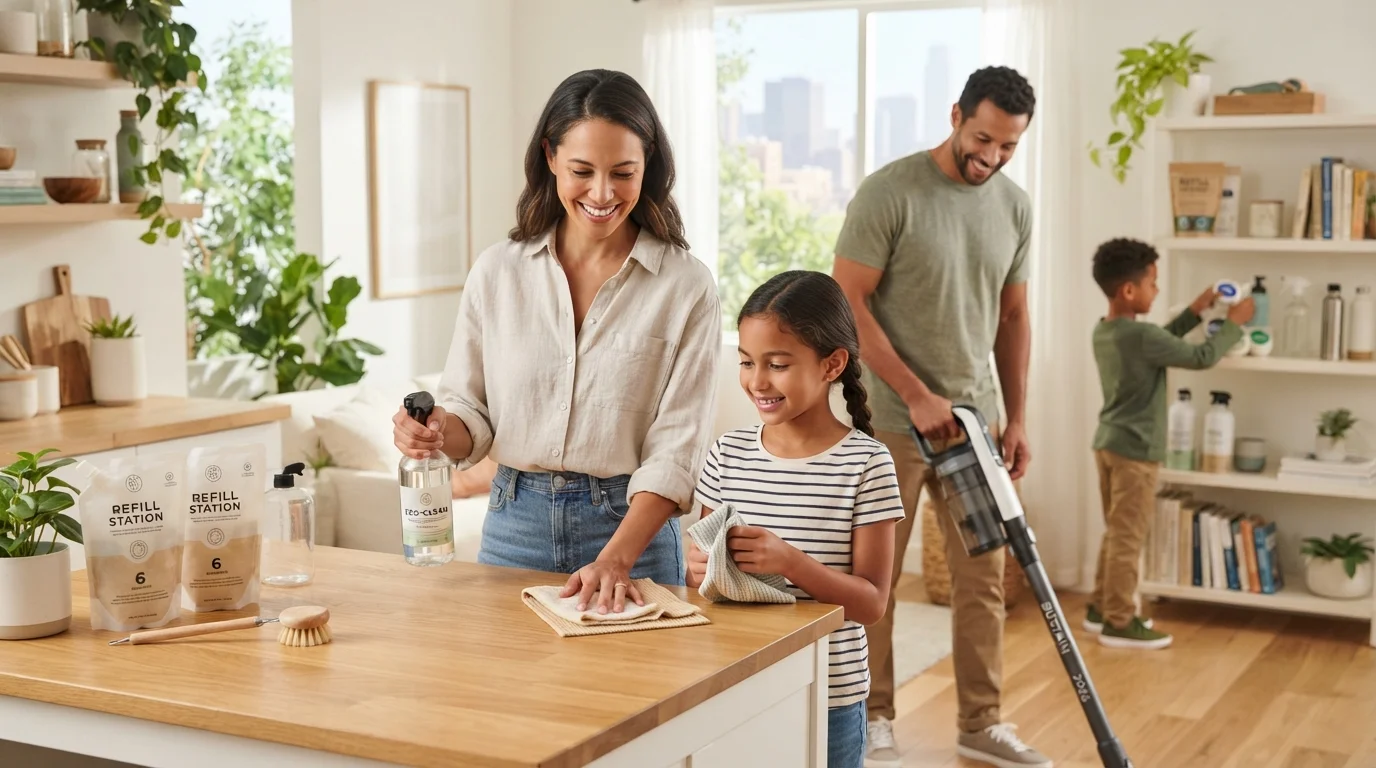
In 2026, sustainable cleaning is no longer a niche trend among environmental activists. It has become a mainstream lifestyle choice for millions of American households. People are moving away from harsh chemicals and single-use plastic bottles, favoring methods that protect both their families and the planet.
From DIY vinegar sprays to refillable concentrate systems, the shift reflects a deeper awareness of indoor air quality and environmental impact. According to recent surveys, nearly 70% of U.S. consumers now actively seek eco-friendly cleaning products when shopping.
This article explores how Americans are transforming their cleaning routines in 2026, with practical examples and expert-backed advice. Whether you are a seasoned green cleaner or just starting out, these insights will help you keep your home spotless without the guilt.
Why Sustainable Cleaning Is Booming in 2026
The momentum behind sustainable cleaning comes from several converging factors. First, scientific research continues to link conventional cleaning chemicals with respiratory issues and hormone disruption. Families with children and pets are particularly motivated to switch.
Second, the cost-of-living crisis has made homemade cleaners more appealing. A spray bottle filled with white vinegar, water, and a few drops of essential oil costs pennies compared to a store-bought all-purpose cleaner.
Third, major retailers have responded to consumer demand. Brands like Grove Collaborative, Blueland, and ECOS now offer refillable tablets and concentrates that reduce plastic waste by up to 90%. This convenience lowers the barrier to entry for busy households.
For more inspiration on making your home safer, browse our eco-friendly cleaning tips and guides.
Top Eco-Friendly Cleaning Products Americans Are Using in 2026
Not all green products are created equal. Smart shoppers in 2026 are looking for certifications like EPA Safer Choice, USDA Biobased, and Leaping Bunny (cruelty-free). Here are the top categories gaining traction:
- Refillable concentrate tablets: Drop a tablet into a reusable spray bottle with water. Examples include Blueland and Cleancult.
- Plant-based scrubs: Brands like Dr. Bronner’s and Seventh Generation now offer biodegradable formulas in cardboard packaging.
- Bamboo tools and cloths: Swedish dishcloths and bamboo scrub brushes replace plastic sponges and paper towels.
- DIY starter kits: Glass spray bottles, castile soap, and baking soda bundles are sold at local co-ops and online.
These products not only reduce chemical exposure but also minimize landfill waste. Many are also concentrated, meaning less water is shipped across the country.
How to Build a Zero-Waste Cleaning Routine
Zero-waste cleaning is about rethinking what you buy and toss. The core principle is simple: use fewer disposables and choose durable, washable alternatives.
Start with these swaps:
- Replace paper towels with unpaper towels or cut-up old cotton t-shirts.
- Switch from plastic spray bottles to glass or aluminum options that can be refilled indefinitely.
- Use a reusable mop system with washable pads instead of disposable wet-jet refills.
- Buy bulk cleaning ingredients (baking soda, washing soda, borax) from bulk bins using your own containers.
An effective non-toxic household routine also means avoiding products with artificial fragrances, which often contain phthalates. Instead, scent your home with real lemon slices, cinnamon sticks, or high-quality essential oils.
Comparison: Traditional vs. Sustainable Cleaning in 2026
Let’s look at a side-by-side breakdown of common cleaning tasks and the sustainable alternatives Americans are adopting:
| Task | Traditional Approach | Sustainable Alternative |
|---|---|---|
| All-purpose cleaning | Spray from single-use plastic bottle | Vinegar + water in refillable glass bottle |
| Scrubbing sinks/tubs | Liquid bleach-based cleaner | Baking soda + castile soap paste |
| Window cleaning | Ammonia-based spray (plastic bottle) | Diluted white vinegar + microfiber cloth |
| Kitchen degreasing | Conventional degreaser (often toxic) | Sal suds (vegetable-based) + hot water |
This table shows that switching does not mean sacrificing cleanliness. Most natural alternatives perform just as well when used correctly, and they are safer for both your family and your local waterways.
Green Trends in Garden and Outdoor Maintenance
Sustainable cleaning extends beyond the four walls of a home. In 2026, American homeowners are applying the same principles to patios, decks, and gardens.
Instead of using pressure washers with chemical detergents, people are turning to vinegar-based outdoor sprays and manual scrubbing with stiff-bristle brushes. Compost bins are cleaned with baking soda and rinsed with rainwater collected in barrels.
For garden tools, a quick soak in a mixture of water and hydrogen peroxide prevents rust without polluting the soil. These small shifts protect beneficial insects and microorganisms in the garden bed.
We have more tips on keeping your greenery in top shape in our garden maintenance guide.
Simple Habits That Make Green Cleaning Stick
Experts agree that sustainability is a marathon, not a sprint. The best way to make green home habits last is to start small and build momentum.
Try these strategies:
- Set a “one in, one out” rule for cleaning products. When you finish a bottle, replace it with a greener option.
- Create a cleaning caddy with your core DIY ingredients so everything is ready to grab.
- Schedule a 15-minute weekly “maintenance clean” to prevent grime buildup, which reduces the need for heavy-duty chemicals.
- Involve the whole family. Kids can help mix simple sprays (supervised) and learn why we avoid plastic.
As research from leading environmental organizations continues to evolve, staying informed is key. For a deeper dive into product alternatives, you can check this comprehensive resource on non-toxic cleaning methods.
Frequently Asked Questions
1. Is sustainable cleaning really as effective as traditional cleaning?
Yes, for most everyday messes. Vinegar, baking soda, and castile soap handle grease, mildew, and dirt effectively. For tough disinfecting, hydrogen peroxide or alcohol-based sprays (in glass bottles) work well without harsh residues.
2. What is the first product I should swap for a greener alternative?
Start with your all-purpose cleaner. It is the product you use most frequently. Switching to a vinegar-water solution or a concentrate tablet reduces the most plastic waste and chemical exposure immediately.
3. Can I make my own laundry detergent at home?
Absolutely. Many Americans now make a simple powder using washing soda, baking soda, and grated castile soap. It is gentle on sensitive skin and costs a fraction of commercial detergents.
4. Are eco-friendly products more expensive?
They can be upfront, but they usually last longer because they are concentrated. DIY options like vinegar and baking soda are extremely cheap. Over a year, most households save money by switching.
5. What about disinfecting kills germs without bleach?
Hydrogen peroxide (3% solution) is a proven disinfectant that breaks down into water and oxygen. You can use it in a spray bottle for cutting boards, counters, and bathroom surfaces.
6. How do I dispose of my old toxic cleaners safely?
Check your local hazardous waste collection days. Never pour chemical cleaners down the drain or into the trash. Many communities offer free drop-off events for household chemicals.
7. Can sustainable cleaning help with allergies?
Yes. Eliminating artificial fragrances and volatile organic compounds (VOCs) can significantly improve indoor air quality. Many people with asthma or chemical sensitivities report fewer symptoms after switching to non-toxic products.
8. Is it worth buying a cleaning concentrate system?
If you value convenience, yes. Brands like Blueland and Grove Collaborative sell starter kits that eliminate single-use plastic. You just refill your bottles with water and drop in a tablet. It is a great middle ground between DIY and store-bought.
Conclusion
Americans are embracing sustainable cleaning in 2026 because it makes sense for their health, their wallets, and the environment. The days of harsh chemicals and overflowing plastic bins are numbered.
By making small swaps—like switching to refillable bottles, using DIY recipes, and choosing plant-based products—you can join this growing movement. Remember, perfection is not the goal. Every green choice counts.
If you are ready to take your cleaning routine to the next level, explore our smart cleaning hacks for faster, greener results and our essential house cleaning tips for every room. Your home and the planet will thank you.
This article was created for informational purposes and does not constitute medical advice. Always test DIY cleaning solutions on a small area first.


