10 Eco-Friendly Cleaning Tips for a Greener Home
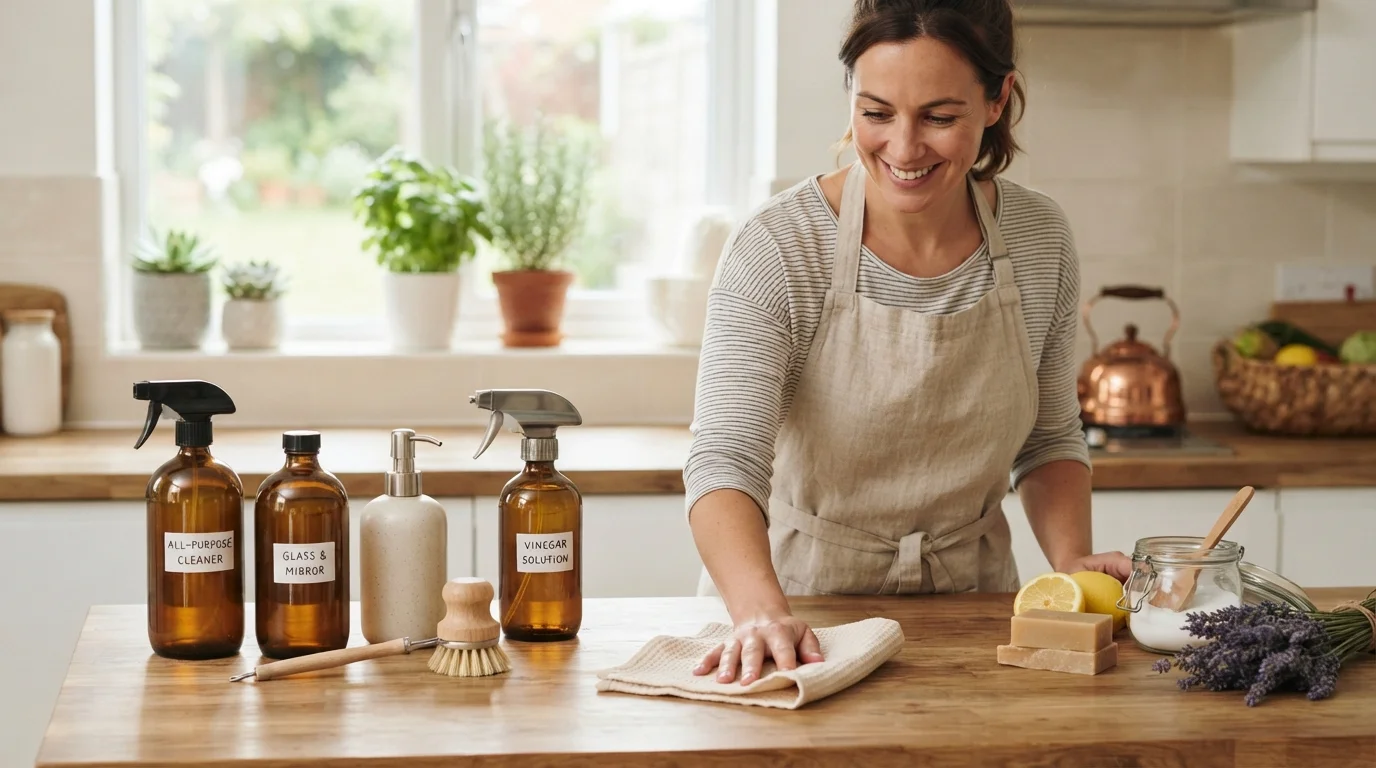
Making your home sparkle doesn’t have to mean dousing every surface in harsh chemicals. In fact, some of the most effective cleaning solutions are sitting in your pantry right now. Switching to eco-friendly cleaning tips isn’t just a trend; it’s a smarter, safer way to maintain your home. You’ll save money, reduce plastic waste, and protect your family from toxic residues.
Whether you’re tackling greasy stovetops or dusty blinds, a green approach works just as well as conventional cleaners—often better. Plus, you’ll breathe easier knowing your home is free of synthetic fragrances and irritants. Let’s dive into ten practical strategies that make sustainable living feel effortless.
1. Swap Chemical Sprays for DIY Vinegar Solutions
White vinegar is a powerhouse for green cleaning. Mix equal parts vinegar and water in a reusable spray bottle, and you’ve got an all-purpose cleaner that cuts through grime on counters, windows, and bathroom tiles. The smell fades quickly after drying.
For stubborn soap scum, add a few drops of tea tree oil. This blend disinfects naturally without the fumes of bleach. Keep a separate bottle for glass surfaces—just use a microfiber cloth to avoid streaks. If you need more inspiration for homemade mixes, check out our eco-friendly cleaning guides for recipes tailored to every room.
2. Embrace Microfiber Over Paper Towels
Paper towels create endless landfill waste. Switching to high-quality microfiber cloths is one of the easiest eco-friendly cleaning tips you can adopt. Microfiber traps dust and bacteria using static electricity, so you often need only water—no cleaner at all.
Buy a set of colored cloths and assign one color per task (blue for glass, green for counters). Wash them in cold water with a mild detergent, and they’ll last for years. This simple swap reduces your household waste dramatically.
3. Use Baking Soda for Scrubbing and Deodorizing
Baking soda is a gentle abrasive that handles tough jobs without scratching surfaces. Sprinkle it on a damp sponge to scrub sinks, tubs, and stovetops. For oven grime, make a paste with water, apply it, let it sit overnight, then wipe away.
It also neutralizes odors naturally. Place an open box in the fridge or sprinkle it on carpets before vacuuming. For deeper carpet care, browse our house cleaning tips for stain removal methods that keep your home fresh without chemicals.
4. Harness the Power of Lemon
Lemon juice cuts through grease and leaves a fresh, natural scent. Rub half a lemon on your cutting boards to sanitize and brighten them. Combine lemon juice with salt to polish copper pots and faucets until they shine.
Microwave a bowl of water with lemon slices for two minutes—the steam loosens food splatters inside, making wiping a breeze. Lemons are biodegradable and safe for septic systems, making them a staple for any non-toxic cleaning products arsenal.
5. Switch to Refillable and Bulk Products
Many store-bought cleaners come in single-use plastic bottles. Look for refill stations at local bulk stores or buy concentrated tablets that dissolve in water. This cuts plastic waste by up to 90% and often costs less per use.
You can also make your own laundry detergent from washing soda, borax, and grated castile soap. Store it in a glass jar. Small changes like these build a sustainable cleaning routine that benefits both your wallet and the planet.
6. Clean with Castile Soap
Castile soap is a plant-based, biodegradable liquid that works for dishes, floors, and even body wash. Dilute one tablespoon in a gallon of warm water for an effective floor cleaner that leaves no sticky residue.
For a powerful bathroom scrub, mix castile soap with baking soda into a paste. It handles soap scum and mildew without the caustic ingredients in commercial tub cleaners. A little goes a long way—one bottle can last months.
7. Adopt the “One In, One Out” Decluttering Rule
A cluttered home traps dust and makes cleaning harder. By reducing what you own, you spend less time moving items around. The “one in, one out” rule means when you bring a new item home, you donate or recycle an old one.
This habit dovetails perfectly with sustainable cleaning because fewer surfaces mean fewer chemicals needed. Discover more strategies in our organization and decluttering articles to streamline your space and cleaning routine simultaneously.
8. Choose Plant-Based Dish Soap
Conventional dish soaps often contain phosphates and synthetic dyes that harm aquatic life. Switch to a plant-based, biodegradable brand. They clean grease just as effectively and rinse clean without residue.
You can also make a simple dishwashing liquid by mixing liquid castile soap with water and a few drops of lemon essential oil. Store it in a recycled pump bottle. This is one of the quickest eco-friendly cleaning tips to implement today.
9. Maintain Your Garden with Natural Pest Control
An eco-friendly home extends outdoors. Instead of chemical pesticides, use neem oil spray or diatomaceous earth to manage pests. These options break down harmlessly in the soil. Composting kitchen scraps enriches your garden naturally.
Regular garden care reduces the need for heavy chemicals inside too. Trim plants away from your home’s foundation to prevent insects from entering. For more outdoor green practices, see our garden maintenance ideas that complement your indoor cleaning efforts.
10. Make Your Own All-Purpose Cleaning Wipes
Disposable wipes are convenient but terrible for the environment. Cut up old T-shirts into squares and store them in a glass jar. Pour a mixture of water, vinegar, and a few drops of essential oil over them. Pull one out when you need a quick clean.
These reusable wipes can be washed and reused dozens of times. They’re perfect for quick kitchen spills or wiping down bathroom sinks. You’ll eliminate plastic packaging and reduce your carbon footprint with every use.
Quick Reference: Natural Cleaners vs. Common Tasks
Here’s a handy table to match natural ingredients with typical cleaning jobs around your home:
| Ingredient | Best For | How to Use |
|---|---|---|
| White vinegar | Glass, counters, mildew | Spray 1:1 with water, let sit, wipe |
| Baking soda | Scrubbing sinks, ovens | Make a paste, scrub gently |
| Lemon juice | Grease, cutting boards | Rub half lemon directly or mix with salt |
| Castile soap | Floors, dishes, all-purpose | Dilute 1 tbsp per gallon of water |
Benefits of Going Green with Your Cleaning Routine
Beyond the obvious environmental perks, natural home cleaners reduce your family’s exposure to allergens and respiratory irritants. Children and pets are especially vulnerable to chemicals found in standard cleaning products.
You also save money. A bottle of vinegar costs a fraction of a commercial cleaner and lasts much longer. Plus, you’ll have fewer plastic bottles to recycle or toss. For additional insights on creating a healthier home, check out resources from reliable guides on sustainable living that cover everything from indoor air quality to non-toxic alternatives.
Frequently Asked Questions (FAQ)
1. Are eco-friendly cleaners as effective as chemical ones?
Yes. Ingredients like vinegar, baking soda, and lemon juice have natural disinfecting and degreasing properties. For most routine cleaning, they work just as well—sometimes better—without toxic fumes.
2. Can I disinfect with natural cleaners?
White vinegar (with at least 5% acidity) kills many bacteria and viruses when left on surfaces for a few minutes. For higher-level disinfection, hydrogen peroxide (3%) is a safe, eco-friendly option.
3. How do I store homemade cleaners?
Use glass or stainless steel containers. Avoid old chemical bottles to prevent mixing residues. Label everything clearly and keep them out of reach of children.
4. Is it safe to mix vinegar and baking soda?
They fizz vigorously together, which helps dislodge debris in drains, but the reaction neutralizes both. Use them sequentially rather than mixing in a single bottle for best results.
5. What’s the cheapest eco-friendly cleaning tip?
Switching to microfiber cloths and using vinegar as an all-purpose cleaner costs almost nothing after the initial purchase. You’ll never need paper towels or spray cleaners again.
6. Do essential oils actually clean?
Tea tree, lavender, and lemon oils have natural antibacterial properties. They are used more for scent and mild disinfection than heavy-duty cleaning, but they enhance homemade recipes nicely.
7. How do I clean hardwood floors naturally?
Mix ¼ cup of white vinegar with one gallon of warm water. Damp-mop (not soaking wet) to avoid damaging the wood. Add a few drops of olive oil for a subtle shine if desired.
8. Can I use these tips if I have a septic system?
Absolutely. Natural ingredients like vinegar, baking soda, and castile soap are septic-safe. Avoid bleach and ammonia-based products that kill the beneficial bacteria in your tank.
Conclusion
Going green with your cleaning routine is easier than you think. These eco-friendly cleaning tips help you maintain a spotless home while reducing your impact on the environment. Start with just one swap—maybe the vinegar spray or the microfiber cloths—and build from there.
Your home, your family, and the planet will thank you. For even more ideas, explore our full collection of cleaning hacks and transform the way you clean forever.


