
How to Protect Your Plants From Extreme Weather
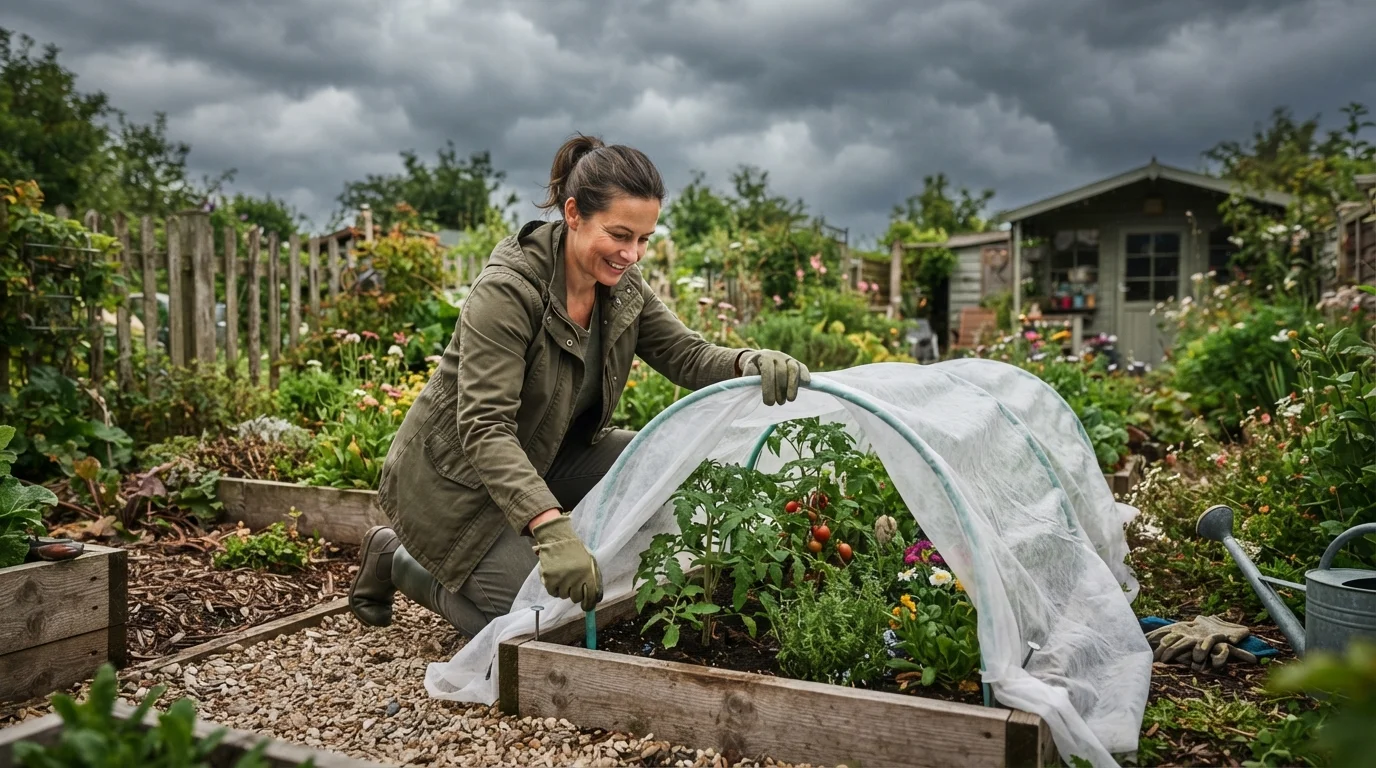
Your garden is a living, breathing space, and like us, plants feel the stress when Mother Nature throws a curveball. Whether it’s a sudden heatwave, an unexpected freeze, or a storm that bends everything out of shape, learning how to protect your plants from extreme weather is essential for any gardener. The good news? With a little planning and the right techniques, you can keep your green friends healthy and happy no matter what the forecast says.
In this guide, we’ll walk through practical, actionable steps for every season. You’ll learn how to shield your garden from heat, cold, wind, and heavy rain without spending a fortune. By the end, you’ll feel confident handling whatever weather comes your way. For more general upkeep, check out our garden maintenance resources to build a solid foundation for your outdoor space.
Why Extreme Weather Is a Real Threat to Your Plants
Plants are resilient, but sudden shifts in temperature, moisture, or wind can shock their systems. Heatwaves cause leaves to wilt and roots to dry out. Frost can freeze the water inside plant cells, causing them to burst. Heavy rain waterlogs soil, starving roots of oxygen. Strong winds snap stems and tear leaves.
When you ignore these threats, you risk losing months of hard work. A single night of freezing temperatures can kill tender seedlings, while a week of scorching sun can turn your lush garden into a dry mess. That’s why proactive extreme weather plant care isn’t optional—it’s a necessity for anyone serious about gardening.
How to Protect Your Plants From Extreme Heat
Heatwaves are becoming more common, and they hit plants hard. The first line of defense is water, but not just any watering routine. Water deeply and early in the morning so the moisture reaches the roots before the sun evaporates it. Shallow watering encourages weak root systems, so aim for about an inch of water per week, more during a heatwave.
Mulch is your best friend here. Apply a 2- to 3-inch layer of organic mulch—like bark chips, straw, or shredded leaves—around your plants. This keeps the soil cool, reduces evaporation, and prevents weed growth. For container plants, move them to a shaded spot or group them together so they create a microclimate that retains humidity.
Consider using shade cloth for particularly vulnerable plants like lettuce, spinach, or young transplants. You can drape it over hoops or stakes to create a temporary canopy. Reflective mulches also help by bouncing sunlight away from the soil. According to a comprehensive guide on garden resilience from this resource on plant protection, combining shading with proper watering can reduce heat stress by up to 50%.
How to Shield Your Plants From Frost and Freezing Temperatures
Frost can sneak up on you, especially in late spring or early fall. The key is to act before temperatures drop below 32°F. Start by watering your soil thoroughly a day before a predicted frost—wet soil holds heat better than dry soil, releasing warmth overnight. But don’t wet the leaves, as that can actually worsen frost damage.
Cover your plants with frost cloth, old bed sheets, burlap, or even plastic buckets. Avoid using plastic directly on leaves, since it traps moisture and can cause freezing. Instead, create a tent structure with stakes or hoops, and let the cover drape to the ground. Remove covers in the morning once temperatures rise above freezing to let the plants breathe.
For potted plants, simply bring them indoors or into a garage. If you have a greenhouse, add a small heater or bubble wrap insulation. Remember that frost protection for plants also applies to the soil—cover exposed ground with straw or cardboard to protect shallow roots. And if you’re setting up a new garden, consider our organization and decluttering tips to plan your layout for maximum frost protection.
How to Safeguard Your Garden Against Storms and Heavy Rain
Storms bring wind, rain, and sometimes hail—a triple threat. Strong winds can topple tall plants like tomatoes, sunflowers, or corn. The fix is simple: stake them early. Use bamboo poles, metal stakes, or even sturdy branches, and tie the stems loosely with soft garden twine. This allows for natural movement while preventing breakage.
Heavy rain can waterlog the soil, especially if it’s clay-heavy. Improve drainage by mixing in organic matter like compost or perlite. Raised beds are a fantastic solution because they allow excess water to run off quickly. For plants already in the ground, create small trenches around them to channel water away from the roots.
After a storm, check for broken branches, compacted soil, and standing water. Gently shake off excess water from leaves to prevent fungal diseases. Hail can shred leaves, but don’t panic—many plants recover if you trim the damaged parts and keep them well-watered. For a deeper dive on keeping your garden tidy after rough weather, browse our cleaning hacks for post-storm cleanup.
Drought-Proofing Your Garden for Dry Spells
Drought is more than just lack of rain—it’s a slow drain on your garden’s vitality. The best approach is to choose drought-tolerant plants native to your region. Lavender, sedum, agave, and ornamental grasses thrive with minimal water. For existing plants, focus on deep, infrequent watering to encourage roots to grow downward in search of moisture.
Apply a thick layer of mulch (up to 4 inches) to lock in soil moisture. Drip irrigation is far more efficient than sprinklers because it delivers water directly to the root zone. Install a rain barrel to capture runoff from your roof—it’s an eco-friendly way to keep your plants hydrated during restrictions.
- Water early morning or late evening to minimize evaporation.
- Group plants with similar water needs together (hydrozoning).
- Use terracotta pots for plants that like dry conditions—they wick away moisture.
- Avoid fertilizing during drought; it forces new growth that stresses the plant.
Remember that consistent extreme weather plant care during dry periods also means monitoring for pests, since stressed plants attract aphids and spider mites. A quick spray of neem oil can keep them at bay without harming beneficial insects.
Seasonal Checklist: Preparing Your Garden for Weather Extremes
Planning ahead makes all the difference. Use this simple table to know what to do each season:
| Season | Action | Key Focus |
|---|---|---|
| Spring | Harden off seedlings, install windbreaks | Late frost protection |
| Summer | Mulch deeply, set up shade cloth | Heat and drought management |
| Fall | Bring pots indoors, apply frost covers | First freeze prevention |
| Winter | Prune damaged branches, insulate soil | Snow and ice damage control |
This checklist works alongside your regular garden maintenance routine. For instance, fall is the perfect time to clean up fallen leaves and debris, which can smother plants and harbor pests. Integrating these weather-specific tasks with your usual chores keeps everything manageable.
Simple Repairs and Eco-Friendly Solutions
You don’t need expensive gear to protect your plants. Reuse old bedsheets as frost covers, turn milk jugs into cloches by cutting off the bottom, and use fallen leaves as free mulch. For wind protection, plant a row of sunflowers or tall grasses as a natural barrier—they’re beautiful and functional.
Eco-friendly practices go hand in hand with weather protection. Composting your kitchen scraps improves soil structure, helping it drain better in rain and retain moisture during drought. If you’re already into green living, our eco-friendly cleaning section has tips that extend naturally to garden care, like using vinegar solutions to clean tools without harsh chemicals.
Another smart tip: keep an eye on the forecast and act 12 to 24 hours in advance. A little preparation goes a long way. When you know a heatwave is coming, water deeply and set up shade before the sun hits its peak. For an incoming frost, have your covers ready and weigh them down with stones or bricks.
Frequently Asked Questions
1. Can I use plastic bags to cover my plants from frost?
Plastic bags can work in a pinch, but they trap moisture against the leaves, which can freeze and cause damage. It’s better to use fabric, burlap, or frost cloth. If you must use plastic, create a tent so it doesn’t touch the foliage.
2. How often should I water during a heatwave?
Deep water every 2 to 3 days, depending on your soil type and plant needs. Check the soil 2 inches down—if it’s dry, it’s time to water. Container plants may need daily watering in extreme heat.
3. What’s the best mulch for weather protection?
Organic mulches like wood chips, straw, or shredded bark are best. They insulate roots from heat and cold, and they improve soil health as they decompose. Avoid rubber mulch, which doesn’t offer the same benefits.
4. Should I prune damaged leaves after a storm?
Yes, but wait until the weather stabilizes. Cut away broken or torn leaves with clean shears to prevent disease. Leave slightly damaged leaves if they’re still green—they can still photosynthesize and help the plant recover.
5. How do I protect potted plants from wind?
Group pots together in a sheltered spot, like against a wall or fence. Use heavy ceramic or terracotta pots that won’t tip over. For tall plants, insert a stake into the pot and tie the stem loosely.
6. Can I use salt to prevent ice damage on plants?
No, salt damages plant roots and soil structure. Instead, use sand, wood ash, or cat litter for traction on icy paths near your garden. For plants, stick to frost covers and proper mulching.
7. Is it okay to water plants at night in summer?
It’s not ideal because moisture on leaves overnight can lead to fungal diseases. Water early morning instead. If you absolutely must water in the evening, water the soil directly and avoid wetting the foliage.
8. What are the most heat-tolerant vegetables?
Okra, sweet potatoes, eggplant, peppers, and certain tomato varieties (like Heatmaster or Solar Fire) handle heat well. Also try amaranth and Malabar spinach—they thrive where traditional spinach wilts.
Conclusion
Learning how to protect your plants from extreme weather doesn’t require a degree in meteorology—just a bit of observation, preparation, and the right techniques. Whether you’re shielding tender seedlings from a frost, keeping your tomatoes cool during a heatwave, or staking everything down before a storm, every action you take builds a stronger, more resilient garden.
Start small: pick one technique from this guide and apply it this week. Maybe it’s mulching your flower beds or setting up a shade cloth for your herbs. Over time, these habits become second nature, and your garden will reward you with lush growth and bountiful harvests. For more hands-on advice, revisit our house cleaning tips—because a clean tool shed and organized garden make weather prep so much easier. Happy gardening!


