How to Create an Eco-Friendly Garden at Home
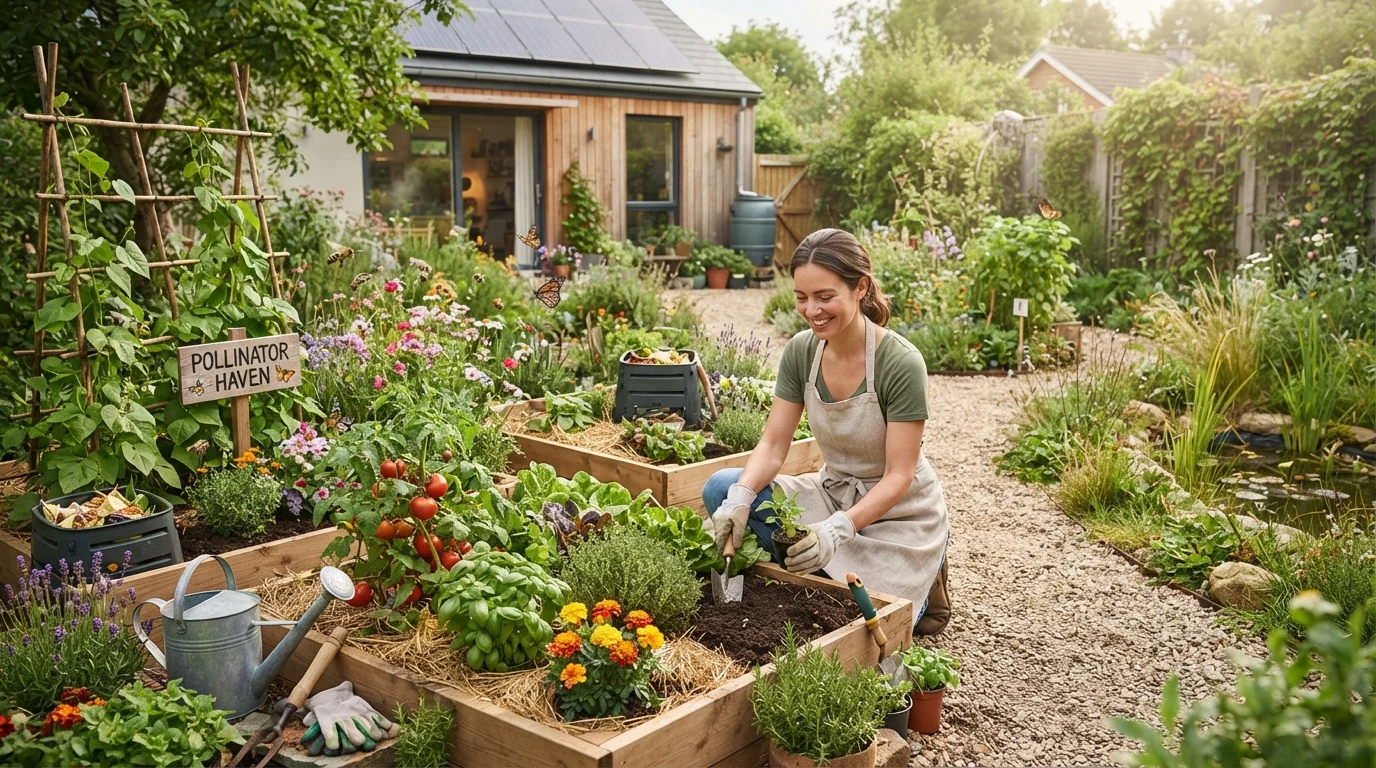
Creating an eco-friendly garden at home is more than a trend—it’s a commitment to a healthier planet and a more vibrant outdoor space. Whether you’re starting from scratch or greening up an existing yard, small changes add up. This guide walks you through essential steps, from soil health to water management, with practical advice you can implement this weekend.
Why Choose an Eco-Friendly Garden?
A sustainable garden reduces waste, saves water, and welcomes pollinators. It also cuts down on chemical runoff that harms local ecosystems. Plus, it often requires less maintenance once established. You’ll grow healthier plants and save money on fertilizers and pesticides. According to the EPA’s GreenScaping program, reducing lawn chemicals can prevent contamination of groundwater and protect beneficial insects. It’s a win-win for your yard and the environment.
Start with Healthy Soil
Great soil is the foundation of any eco-friendly garden. Instead of synthetic fertilizers, use compost made from kitchen scraps and yard waste. Compost enriches the soil naturally, improves drainage, and feeds microorganisms. You can start a simple compost bin in a corner of your yard or try a worm composting system for smaller spaces. Avoid tilling too often—no-till gardening preserves soil structure and keeps carbon locked in the ground. If you’re new to this, check out our garden maintenance section for more soil prep tips.
Choose Native and Drought-Tolerant Plants
Native plants naturally thrive in your region’s climate and require less water, fertilizer, and pest control. They also provide food and shelter for local birds, bees, and butterflies. For a low-water garden, mix in drought-tolerant species like lavender, sedum, or yarrow. Group plants with similar water needs together—this simple technique, called hydrozoning, prevents overwatering. Head to your local nursery and ask for native perennials; they’ll come back year after year with minimal fuss.
Water Wisely with Rain Barrels and Drip Irrigation
Water conservation is a key part of sustainable gardening. Install a rain barrel under a downspout to collect rainwater for your garden—it’s free and better for plants than treated tap water. Pair that with a drip irrigation system or soaker hoses. These deliver water directly to the roots, reducing evaporation and runoff. Water early in the morning to minimize loss from heat and wind. Even a simple change like mulching around plants can cut water usage by up to 50%. For more water-saving hacks, visit our cleaning hacks category.
Go Organic with Pest Control and Fertilizers
Skip harsh chemicals. Instead, use neem oil, insecticidal soap, or introduce beneficial bugs like ladybugs and lacewings. Companion planting is another natural strategy—plant basil near tomatoes to repel hornworms, or marigolds around vegetables to deter nematodes. For fertilizer, stick with compost, worm castings, or seaweed extract. These options feed your plants without killing earthworms or contaminating runoff. A non-toxic approach also makes your garden safer for kids and pets.
Reduce Lawn Area and Embrace Ground Covers
Traditional lawns demand a lot of water, mowing, and chemicals. Replace part of your grass with clover, creeping thyme, or native sedges. These ground covers need far less mowing and irrigation, plus they attract pollinators. You can also create garden beds or pathways using permeable materials like gravel or wood chips. This reduces stormwater runoff and gives your yard a more natural, eco-friendly look. If you keep some lawn, let it grow a bit taller—longer grass shades the soil and holds moisture better.
| Eco-Friendly Practice | Benefit | Example |
|---|---|---|
| Composting | Reduces waste, enriches soil | Kitchen scraps + yard clippings |
| Rain barrels | Conserves water, saves money | 50-gallon barrel under a downspout |
| Native plants | Low maintenance, supports wildlife | Purple coneflower, black-eyed Susan |
| Drip irrigation | Reduces evaporation | Soaker hose in vegetable beds |
| Organic pest control | Protects pollinators | Neem oil spray for aphids |
Mulch, Mulch, Mulch
Mulching isn’t just for looks. A 2-3 inch layer of organic mulch—like shredded bark, straw, or leaves—keeps soil cool, retains moisture, and suppresses weeds. As it decomposes, it adds nutrients back into the ground. Avoid dyed mulches that can leach chemicals. Stick with natural options from a local source. Apply mulch in spring and top it up in fall. Your plants will stay hydrated longer, and you’ll spend less time weeding and watering.
- Use organic mulches like bark, straw, or leaf mold.
- Avoid rubber or dyed mulches.
- Apply 2-3 inches deep, keeping mulch away from stems and trunks.
- Refresh mulch once or twice a year.
Frequently Asked Questions
1. What is the easiest way to start an eco-friendly garden?
Begin with a small compost pile and switch to native plants. These two changes immediately reduce waste and water use. You can expand gradually over the seasons.
2. Do I need to stop using all chemicals?
Not overnight. Start phasing out synthetic fertilizers and pesticides by replacing them with organic alternatives like compost and neem oil. Every change helps.
3. How much water can I save with a rain barrel?
A single 50-gallon rain barrel can save roughly 1,300 gallons of water per year in a moderate climate. That adds up to significant savings on your water bill.
4. Are native plants really that much better?
Yes. Native plants are adapted to your local soil and rainfall, so they need far less watering, fertilizing, and pest control. They also support local pollinators and birds.
5. Can I create an eco-friendly garden in a small space?
Absolutely. Use container gardening, vertical planters, or raised beds. Even a balcony can host a compost bin, herbs, and a small rain barrel.
6. What’s the best mulch for an eco-friendly garden?
Shredded bark, wood chips, or straw are excellent choices. Avoid rubber mulch and dyed wood. You can also use grass clippings or fallen leaves for free mulch.
7. How do I handle pests without chemicals?
Introduce beneficial insects, use neem oil or insecticidal soap, and practice companion planting. Also, healthy plants are less attractive to pests, so focus on soil health.
8. Does eco-friendly gardening cost more?
It often costs less over time. You save on water bills, fertilizers, and pesticides. Composting and rain barrels are one-time investments that pay off quickly. For more budget-friendly ideas, check our house cleaning tips for reusable and natural approaches that apply indoors and out.
Conclusion
Building an eco-friendly garden at home doesn’t require a complete overhaul—just smarter choices. Start with healthy soil, pick plants that naturally thrive, and conserve water. With organic pest control, a bit of mulch, and less lawn, your yard becomes a sanctuary for wildlife and a relaxing space for you. Every step you take brings you closer to a greener home. Ready to dig in? There’s no better time than today to make your garden more sustainable.


