
10 Decluttering Ideas That Will Transform Your Home
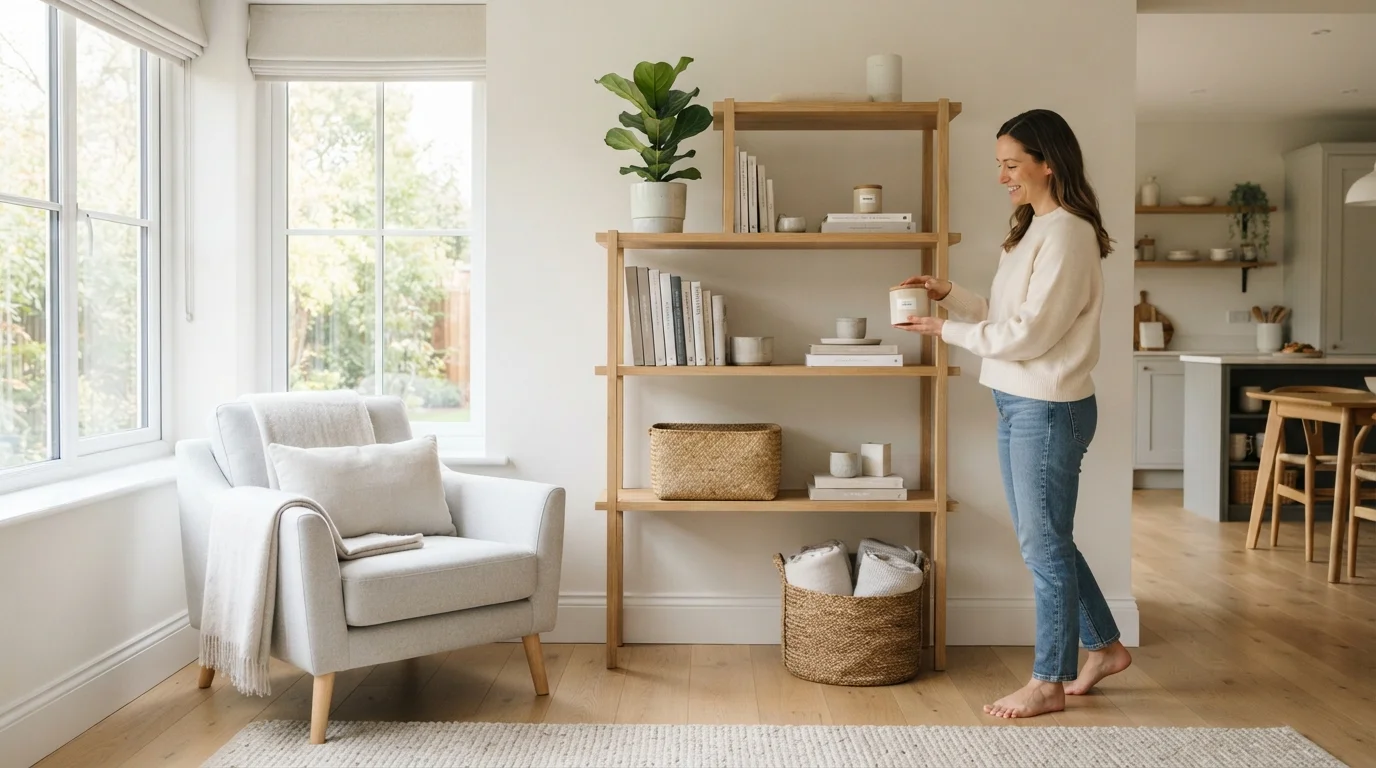
Feeling overwhelmed by the mess in your home? You’re not alone. Clutter creeps in slowly—one unopened mail, one “I’ll deal with it later” pile at a time. Before you know it, your living space feels more like a storage unit than a sanctuary.
But here’s the good news: a little intentional effort goes a long way. With the right decluttering ideas, you can reclaim your home and your peace of mind. Whether you’re a minimalist at heart or just looking for practical home organization tips, these strategies will help you declutter your home without the burnout.
Let’s dive into ten actionable methods that will change how you see organizing your space—starting today.
1. The 15-Minute Daily Reset
You don’t need a whole weekend to see progress. Set a timer for 15 minutes each evening and tackle one small area. Walk through your living room and put away everything that doesn’t belong there—remote, books, kids’ toys, empty cups.
Do this consistently, and you’ll maintain a baseline of clutter-free living without the overwhelm. It’s not about deep cleaning; it’s about keeping surfaces clear so your home breathes easier.
2. The “One In, One Out” Rule
This is a game-changer for anyone struggling with accumulation. Every time you bring something new into your home—clothes, kitchen gadgets, decor—commit to removing one similar item.
Buy a new sweater? Donate an old one. Get a fancy new blender? Recycle the outdated coffee maker. This simple habit stops clutter from piling up at the source and reinforces the value of organizing your space as a lifestyle, not a chore. For more behavioral tweaks like this, check out our cleaning hacks section.
3. Zone Your Kitchen Countertops
Kitchen counters are magnet zones for chaos. Pick three clear zones: prep area, appliance station, and a “landing pad” for keys, mail, and bags. Everything else—extra toasters, random spice jars, decorative baskets—needs to find a home inside cabinets.
Keep only your daily coffee maker and a utensil caddy on the counter. A clear surface not only makes cooking easier but instantly gives your kitchen a professional, calm look. This is one of the most underrated home organization tips for high-traffic rooms.
4. The Four-Box Method for Bedrooms
When decluttering your home room by room, the four-box method keeps you decisive. Grab four boxes or bins and label them: Keep, Donate, Trash, and Relocate.
As you go through your closet and nightstands, every item must land in exactly one box. No “I’ll decide later” pile. This forces you to confront emotional attachments and items you’ve been avoiding. Within an hour, you’ll have a cleaner space and a clear plan for what leaves the house.
5. Digital Declutter First
Yes, this counts. Your physical space is connected to your mental load. If your phone, laptop, and email inbox are chaos, your home will be too. Spend 20 minutes clearing your desktop icons, unsubscribing from 10 unused newsletters, and deleting old screenshots.
A clean digital environment sharpens your focus for physical decluttering. Many people find this step easier than tackling a closet—and it builds momentum for the harder tasks ahead. It’s a foundational step in any clutter-free living plan.
6. Create a “Maybe” Box with a Deadline
Sentimental items are the hardest to part with. Instead of forcing yourself to decide forever, place those questionable items—old t-shirts, gifts you never used, discontinued decor—in a box. Seal it, date it, and store it in the garage or a closet.
Set a calendar reminder for six months. If you haven’t opened the box by then, donate it without looking inside. This method respects your emotions while still moving toward a decluttered home. Research from environmental psychology supports that time-based decisions reduce regret.
7. Use Vertical Storage in Small Bathrooms
Bathrooms are notorious for cluttered countertops and medicine cabinets. Install floating shelves above the toilet or an over-the-door organizer for towels and toiletries. Store daily essentials—toothbrush, hand soap, face wash—in a small caddy or magnetic strip on the wall.
This instantly frees up counter space and makes cleaning the sink area faster. Vertical storage is a brilliant home organization tip that works in laundry rooms and entryways too. For more room-specific strategies, explore our eco-friendly cleaning tips.
8. The “Clutter Scorecard” Check-in
Once a month, do a quick walk-through of each room and rate its clutter level from 1 to 5 (1 being pristine, 5 being hoarded). Snap a photo of the room so you can compare month over month.
This visual feedback keeps you accountable and shows you where the hotspots are—maybe it’s the entryway bench or the home office desk. Over three months, you’ll see real progress, which boosts motivation to keep going with your decluttering ideas plan. A study by the American Psychological Association highlights how visual tracking supports habit formation.
9. Swap Seasonal Decorations
Many people store every decoration they’ve ever bought, from Easter bunnies to Christmas sweaters. Instead, pick one decorative bin per season. When the next season arrives, swap the bin entirely. Donate or discard anything you didn’t use in the last two years.
This keeps your home feeling festive without the visual noise of year-round clutter. It’s also a great family activity—get everyone involved in choosing what stays and what goes. Paired with our garden maintenance tips, you can keep both indoors and outdoors looking intentional.
10. The 10-Minute Front Closet Overhaul
Your front entry closet takes a beating. Shoes pile up, jackets hang sideways, and forgotten items collect on the floor. Once a week, spend 10 minutes doing a quick reset: return shoes to pairs, hang coats properly, and toss anything that doesn’t belong into a bin for later sorting.
Over time, this habit prevents the closet from becoming a black hole for clutter. It also sets the tone for your entire home—when guests walk in, they see order, not chaos. This is a core practice for organizing your space effectively.
Quick Comparison: Decluttering Methods by Time Commitment
| Method | Time Needed | Best For |
|---|---|---|
| 15-Minute Daily Reset | 15 minutes | Maintenance & high-traffic rooms |
| One In, One Out | On-going | Preventing new clutter |
| Four-Box Method | 1–2 hours | Deep bedroom & closet purges |
| Maybe Box | 30 minutes | Sentimental & hard-to-decide items |
| Front Closet Overhaul | 10 minutes | Weekly touch-ups |
Final Tips for Long-Term Success
Decluttering isn’t a one-time event—it’s a system. The best decluttering ideas fail when you don’t have a “home” for every item. Assign a specific drawer, bin, or shelf for everything you own. If it doesn’t have a home, either create one or let it go.
Also, avoid buying storage bins before you declutter. Many people buy containers first, only to fill them with more stuff. Instead, purge first, then measure what you need. For more practical guidance on maintaining cleanliness after decluttering, browse our house cleaning tips.
If you’re looking for a deeper guide on transforming your home environment, there’s a comprehensive resource that covers everything from mindset shifts to room-by-room plans. You can check it out here.
Frequently Asked Questions (FAQ)
1. How do I start decluttering when I feel overwhelmed?
Start with one small drawer or a 15-minute timer. Don’t try to do the whole house at once. Momentum builds quickly once you see the first small win.
2. What’s the best order to declutter a house?
Usually, start with the bedroom (you sleep better in a calm space), then the bathroom, living areas, and finally storage spaces like the garage. Kitchens can be tackled anytime since they’re high-use.
3. How do I declutter sentimental items without regret?
Use the “Maybe Box” method described above. Take a photo of the item before donating, so you still have the memory without the physical clutter.
4. Should I buy containers before or after decluttering?
After. Wait until you’ve purged at least 30% of your things. Then measure your remaining items and buy containers that fit your exact space.
5. How often should I declutter?
Do a quick 10-minute reset daily, a full room every 3–4 months, and a deep seasonal purge twice a year. This keeps clutter from accumulating.
6. What’s the one rule that stops clutter from returning?
The “One In, One Out” rule. It’s simple but powerful. If you bring something new in, something similar has to leave. This prevents your home from ever overflowing again.
7. Can decluttering actually improve my mental health?
Yes. Studies have shown that reducing visual clutter lowers cortisol levels and improves focus. A tidy space supports a clearer mind and better sleep.
Conclusion
Transforming your home doesn’t require a massive renovation or a full weekend of sweat. It starts with one intentional action—timer, box, or rule—and builds from there. The decluttering ideas shared here are designed to fit into real life, not a highlight reel.
Pick two or three that speak to you right now. Apply them for the next week, and notice how different your home feels. Less mess, less stress, more breathing room. You can achieve clutter-free living one small step at a time—and your future self will thank you.
Now, go grab that timer and pick a corner. You’ve got this.


