
The Most Effective Decluttering Strategy for 2026
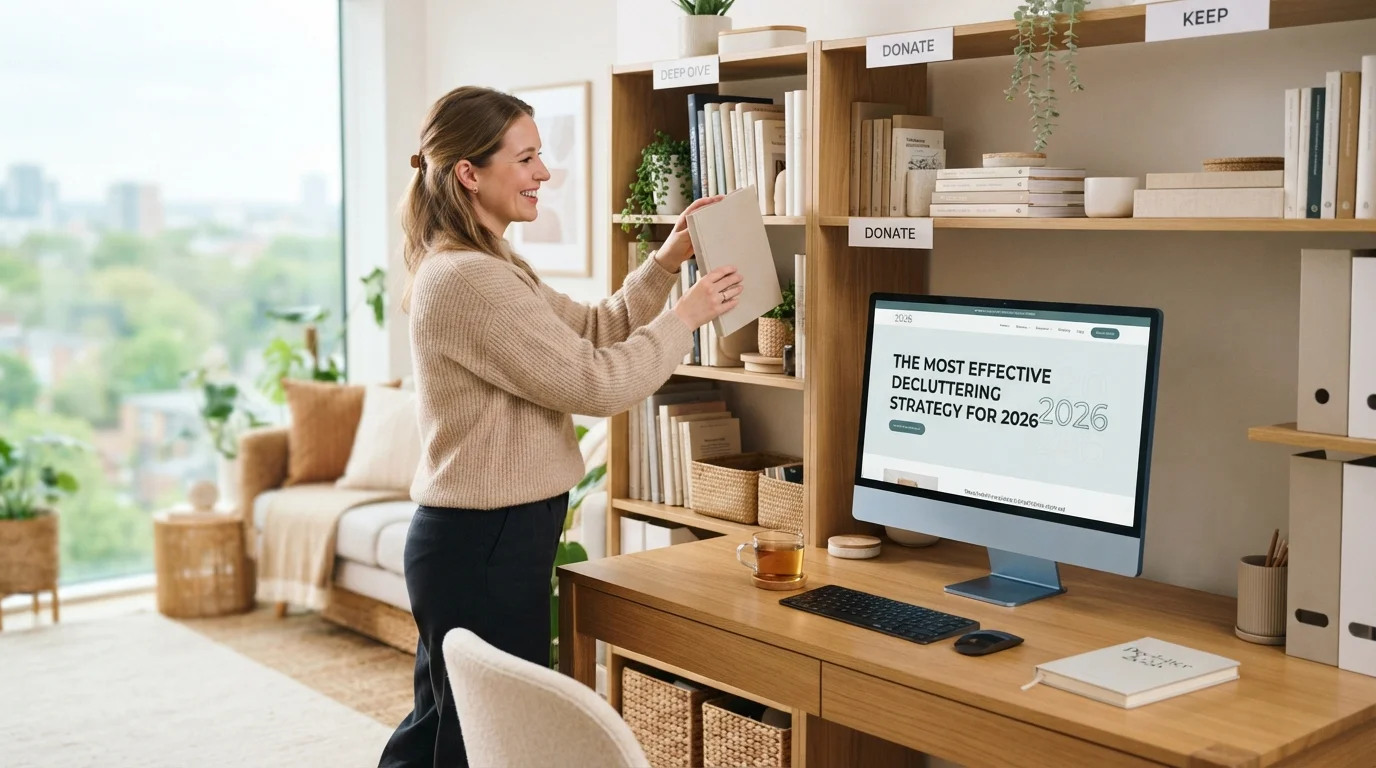
If you’ve ever spent a Saturday afternoon sorting through piles of “stuff” only to find the same mess creeping back within a week, you’re not alone. The problem isn’t that you’re lazy—it’s that you’re using outdated methods. Let’s talk about the most effective decluttering strategy for 2026, a system designed for real homes, real schedules, and real results.
This strategy strips away the fluff. No more Marie Kondo guilt trips or minimalist pressure. Instead, you’ll follow a research-backed process that focuses on sustainable decluttering habits. The goal isn’t a magazine cover—it’s a home you can actually live in without constant stress.
Why Old Decluttering Methods Fail
Most people jump into decluttering by tackling the largest visible mess first. That’s a trap. You burn out before you see real progress. Classic advice like “one in, one out” also fails because it doesn’t address why the clutter accumulated in the first place—lack of a clear system.
The most effective decluttering strategy for 2026 flips the script. It uses a room-by-room declutter approach that focuses on zones, not chaos. You’ll learn to identify high-traffic “trouble spots” (kitchen counters, entryway tables, bedroom chairs) and clear them permanently.
Another failure point? Trying to declutter your entire home in one weekend. That creates decision fatigue. A smarter approach breaks the work into 20-minute micro-sessions. Research from behavioral psychology shows that small, repeat actions build lasting home organization tips habits better than giant purges.
The One-Zone Rule: Your 2026 Game Changer
Here’s the core of the most effective decluttering strategy: the One-Zone Rule. Pick one single zone—not a whole room, just a zone—and completely finish it before moving on.
For example, instead of saying “I’ll declutter the kitchen today,” you say “I’ll declutter the top-left cabinet above the sink right now.” You remove every single item, wipe the shelf, decide what goes back, and discard or relocate the rest. Finished. Done.
This method works because it gives you an immediate win. Every completed zone releases a small dopamine hit that keeps you motivated. Over a week, those zones add up to a fully organized kitchen without the burnout.
For maximum impact, start with zones that annoy you the most daily: the junk drawer, the mail pile, the coat closet floor. You can combine this with cleaning hacks to speed up the deep cleaning after each zone is cleared.
The Essential Question: Does It Deserve This Space?
Most decluttering guides ask you to decide if an item “sparks joy.” That’s vague and subjective. The most effective decluttering strategy for 2026 uses a different question: Does this item deserve the specific space it occupies right now?
This is a powerful shift. You stop thinking about the item’s sentimental value and start thinking about its spatial cost. A dusty bread maker sitting on 20% of your countertop? That space could be used for daily prep or a plant that makes you smile.
Here’s a practical list of items that almost never deserve premium real estate in your home:
- Expired beauty products and half-used lotions
- Old electronics cables you’ve “kept just in case” for over a year
- Plastic takeout containers that don’t stack properly
- Unread magazines and catalogs older than three months
- Kitchen gadgets used once and stored away forever
Be honest with yourself. If an item hasn’t been used or appreciated in the last six months, it likely doesn’t deserve that spot. Move it to a donation bin or recycling box immediately.
How a Seasonal Purge Guide Keeps Clutter Away
One big purge isn’t enough. The most effective decluttering strategy must include a recurring check-in rhythm. A seasonal purge guide is your secret weapon. Every season, when the weather shifts, you revisit your zones.
Spring is perfect for checking closets and swapping winter clothes. Summer works well for garden sheds and outdoor gear. Fall is ideal for school supplies and office paperwork. Winter is great for pantry organization and holiday decoration storage.
Stick to a simple rule: if you haven’t used an item since the last seasonal change, it goes. This prevents the gradual reaccumulation of clutter. After you finish the purge, treat yourself to a quick read on eco-friendly cleaning products to freshen up the space without harsh chemicals.
The 15-Minute Daily Reset
Even with a perfect system, life happens. Packages arrive, kids bring home art projects, and mail piles up. The solution is a daily 15-minute reset. Set a timer and walk through your home’s main zones, returning every misplaced item to its designated home.
This isn’t a full clean—it’s a rapid tidying sweep. The key is that every item must have a home. If something doesn’t have a designated spot, you either create one or let it go. That single rule eliminates the “I’ll deal with it later” pile.
Many people find that this daily reset is the most effective decluttering strategy because it prevents the big messes from forming in the first place. You spend 15 minutes now instead of 3 hours on Saturday. That’s a trade you’ll take every time.
If you need more guidance on keeping specific rooms organized long-term, check out our organization and decluttering section for room-specific breakdowns.
Room-by-Room Breakdown: Where to Start First
Not every room needs the same approach. Use this table to prioritize your zones based on impact and difficulty. The “clutter score” helps you decide where to invest your 20-minute micro-sessions first.
| Room | Primary Clutter Zone | Time Estimate | Clutter Score |
|---|---|---|---|
| Kitchen | Countertops and junk drawer | 20 min / zone | High (daily impact) |
| Living Room | Side tables and media console | 15 min / zone | High (visible to guests) |
| Bedroom | Dresser top and nightstand | 10 min / zone | Medium (affects sleep quality) |
| Bathroom | Vanity cabinet and medicine drawer | 15 min / zone | Medium (expired products) |
| Garage / Attic | Floor area and storage shelves | 30 min / zone | Low (tackle last) |
Start with the high-score rooms first. You’ll build momentum quickly because your daily living spaces will feel cleaner immediately. For outdoor spaces like the garage, combine this process with garden maintenance routines to keep tools and equipment organized year-round.
The Digital Clutter Trap
Physical clutter is obvious, but digital clutter steals your mental energy just as much. The most effective decluttering strategy for 2026 includes a digital component. Spend 10 minutes a day cleaning your phone’s photo gallery, unsubscribing from email newsletters you never read, and organizing your desktop.
Why does this matter? Because digital clutter creates background stress. A chaotic phone makes it harder to find important documents. Thousands of unread emails reduce your productivity. Treat your digital space like a room in your home.
Set one folder for “Action Needed,” one for “Archive,” and one for “Delete.” Move everything accordingly. This pairs perfectly with house cleaning tips that help you reset your physical environment at the same time. A clear space plus a clear screen equals a clear mind.
Frequently Asked Questions
1. How often should I declutter for results that last?
Commit to one major seasonal purge each year (4 times total) plus a 15-minute daily reset. That rhythm keeps most homes under control without overwhelming you.
2. What’s the first thing I should declutter?
Start with your kitchen countertops and the main entryway surface. These are high-visibility areas that affect your mood every single day. Clear them first for an instant psychological boost.
3. Should I buy storage bins before decluttering?
No. Never buy storage before you declutter. You’ll just organize the junk. Declutter first, then measure the space, and only purchase bins for what remains.
4. How do I deal with sentimental items?
Set a limit. Choose one small memory box per person or per decade. If it doesn’t fit, take a photo of the item and let it go. The memory lives in you, not in the object.
5. Is it better to donate, sell, or throw away?
Donate items in good condition. Sell high-value items if you have time, but don’t let them sit for weeks. Throw away anything broken, stained, or expired immediately.
6. Can I declutter if I live with a messy partner?
Yes, but negotiate zones. Each person gets their own closet, desk, or shelf. You are responsible only for your zones. Lead by example—don’t nag. Most people follow when they see the benefits.
7. What about kids’ toys and art projects?
Use a rotating system. Display 5–7 toys at a time and store the rest. For art, keep only the top 3 pieces per season. Photograph the rest or recycle them together as a ritual.
8. How do I prevent clutter from returning?
Adopt the “one in, one out” rule strictly for the first 90 days. After that, it becomes automatic. Also, avoid shopping as entertainment—only buy when you have a specific need.
Conclusion: Start Today, Not Next Month
The most effective decluttering strategy for 2026 isn’t complicated. It’s the One-Zone Rule plus a 15-minute daily reset plus a seasonal purge. That’s it. No expensive bins, no waiting for motivation, no overthinking every spoon.
Choose one zone right now. Clear it. Enjoy the clean space. Then do it again tomorrow. Over time, those small wins compound into a home that feels lighter, easier to clean, and actually pleasant to live in. For more inspiration, consider exploring house cleaning tips to complement your newfound organization.
If you want to go deeper into building a truly organized lifestyle, many experts recommend structured guides to reinforce the habit. One widely referenced resource for overall cleaning and organization blueprints is available at this home cleaning program.
You’ve got this. Your 2026 organized home starts with the one zone you’re going to tackle right now.


