
How to Organize Every Room in Your House Like a Pro
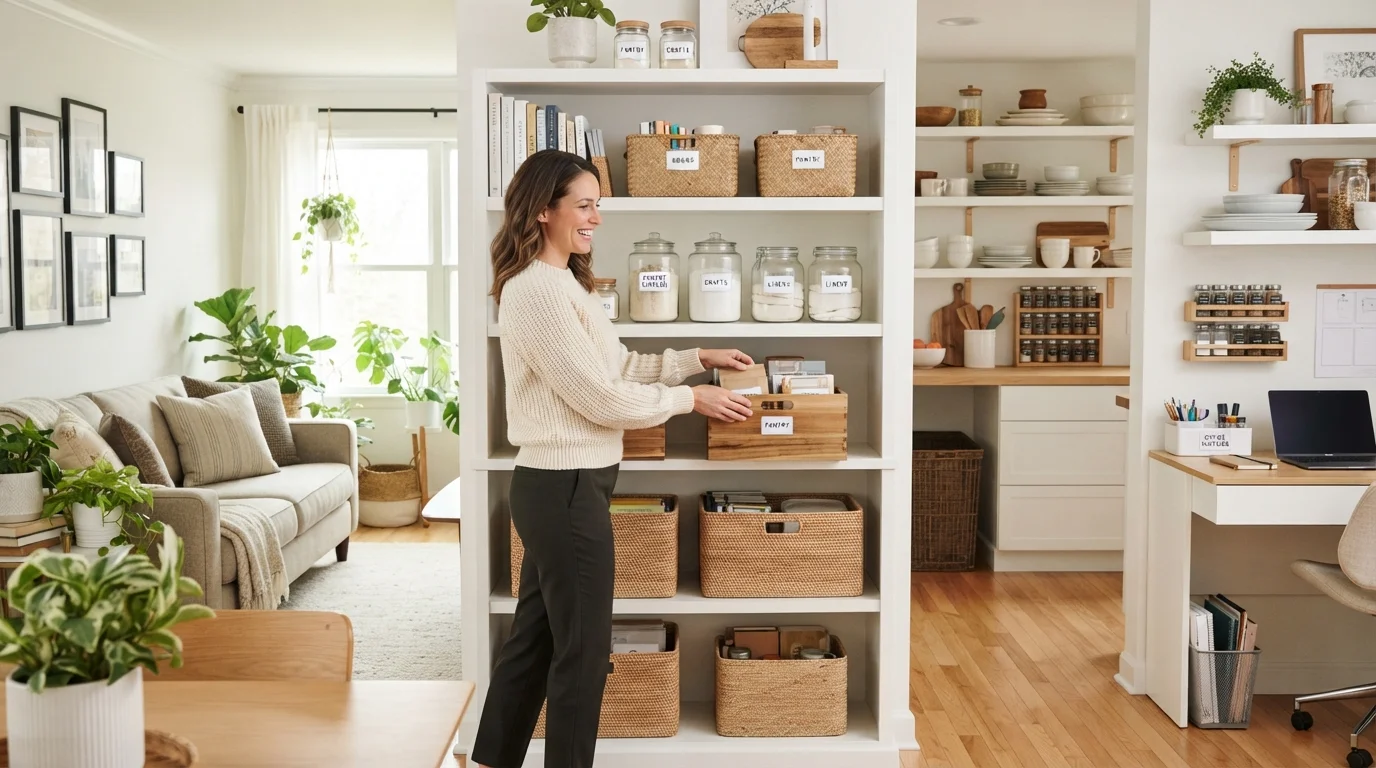
Walking into a cluttered home feels heavy. You might spend ten minutes searching for your keys or avoid opening that closet door altogether. I get it—life gets busy, and mess accumulates fast.
But here’s the good news: organizing every room in your house doesn’t require a massive renovation or a minimalist makeover. It just takes a smart, repeatable system. In this guide, I’ll walk you through each room with professional home organization tips that actually stick.
These aren’t generic suggestions. I’ve spent over a decade helping homeowners turn chaos into calm, and I’ve tested these methods across kitchens, garages, and even the dreaded junk drawer. Let’s start transforming your space one room at a time.
Start with a Decluttering Mindset (Before You Touch a Single Box)
Before you buy a single bin or label maker, you need a plan. The biggest mistake people make is organizing around clutter instead of removing it first.
Grab three boxes: Keep, Donate, and Trash. Move through the room systematically—start from one corner and work your way around. Ask yourself: Have I used this in the last six months? Does it serve a purpose or bring me joy?
This mental shift is the foundation of all decluttering tips. You’re not just tidying up; you’re curating what stays in your life. For more strategies on eco-friendly disposal and donating, check out our detailed eco-friendly cleaning methods to keep your home sustainable.
Once you’ve cleared the excess, you’ll see exactly how much space you actually have. That’s when the real organization begins.
Kitchen: The High-Traffic Command Center
The kitchen is the heart of the home, but it’s also where clutter breeds fastest. Countertops collect mail, spices overflow, and drawers become graveyards for old takeout menus.
Use the “zones” method: group items by how you use them. Store coffee supplies near the machine, pots near the stove, and food storage containers near the fridge. This makes cooking and cleanup feel effortless.
For pantry organization, invest in clear, airtight containers and label everything by category. Group pasta with pasta, rice with rice. A simple hack: place a small turntable for oils and vinegars so you can grab them with one hand.
Don’t forget under the sink—that black hole of sponges and cleaning supplies. Install a tension rod to hang spray bottles vertically. This single fix frees up 40% more usable space.
Living Room: Balance Comfort and Function
Your living room should feel inviting, not like a storage unit. The trick is to create “homes” for all the things that drift in—remotes, books, throw blankets, and kid toys.
Use a decorative basket or ottoman with hidden storage for blankets and remotes. Keep a small tray on the coffee table for coasters and candles. This keeps surfaces clean while still feeling warm.
Bookshelves often become dumping grounds. Arrange items in threes: two books stacked horizontally with a small plant or photo on top. This creates visual rhythm and makes dusting much faster.
If you have children, designate a low bin for toys in the living room corner. At the end of the day, toss everything inside. It’s not perfect, but it’s realistic. For more everyday shortcuts, explore our cleaning hacks for busy families.
Bedroom: A Sanctuary for Sleep and Serenity
A cluttered bedroom creates a restless mind. Your goal is to make this room as tranquil as possible, starting with your closet and nightstand.
Apply the “one in, one out” rule for clothing: whenever you bring home a new shirt, remove an old one. Keep your closet organized by category—work clothes, casual wear, and special occasion pieces.
Your nightstand should only hold essentials: a lamp, a book, and perhaps a glass of water. Everything else—chargers, lotions, loose change—belongs in a drawer with small dividers.
Under-bed storage is gold for extra sheets and off-season clothing. Use flat, vacuum-sealed bags for bulky winter sweaters. Label each bag clearly so you never have to dig blindly.
Bathroom: Small Space, Big Impact
Bathrooms are tricky because they’re small but hold so many items. Toothpaste, skincare, medications, towels—it piles up fast.
Start with the medicine cabinet. Group items by frequency of use. Keep daily things (toothbrush, toothpaste) at eye level. Store backup supplies and medications on higher shelves in labeled bins.
Use wall-mounted organizers for hair tools and makeup. A magnetic strip inside the cabinet holds bobby pins and tweezers. For towels, roll them instead of folding—this saves space and looks spa-like.
Implement a “five-minute wipe-down” after your morning routine. Wipe the mirror and counter with a microfiber cloth. This small habit prevents grime from building up. For deeper cleaning routines, visit our house cleaning tips for every schedule.
Home Office: Productivity Through Order
Working from home means your desk is your command center. A messy desk leads to a messy mind, so let’s fix that.
Keep only your current project on the desk surface. Use vertical file holders for important papers and a small drawer for pens, sticky notes, and charging cables. Use cable clips or a simple binder clip to keep cords from tangling.
Create a “paper flow system”: in-tray for new documents, out-tray for ones to file or recycle, and a shred bin for sensitive info. This eliminates pile-ups.
Consider a lap desk or mobile cart if you move between rooms. And don’t ignore the digital clutter—clean your desktop folders and unread emails weekly. A clean screen supports a clean workspace.
Garage and Storage Spaces: The Final Frontier
Garages become “catch-all” zones because they have no natural organization. Let’s change that with vertical thinking.
Use pegboards for hanging tools, gardening gloves, and extension cords. Install heavy-duty wall racks for bikes and ladders. Clear, stackable bins beat cardboard boxes every time—you can see what’s inside without opening them.
Group items by season. Store holiday decorations in one clear bin, camping gear in another, and automotive supplies in a third. Label each side of the bin so you can read it from any angle. For outdoor maintenance ideas, check out our garden maintenance guides for outdoor spaces.
Floor space is precious. Keep only heavy tools and large bins on the ground. Everything else goes up. This also makes sweeping and mopping the garage floor much easier.
Room-by-Room Organization Table
| Room | Key Strategy | Top Tool | Time Needed |
|---|---|---|---|
| Kitchen | Use zones for cooking flow | Clear airtight containers | 2–3 hours |
| Living Room | Hidden baskets for everyday items | Decorative storage ottoman | 1–2 hours |
| Bedroom | One in, one out for clothes | Under-bed vacuum bags | 2–3 hours |
| Bathroom | Vertical storage for small items | Wall-mounted organizer | 1 hour |
| Home Office | Paper flow system | Vertical file holder | 1–2 hours |
| Garage | Vertical wall storage | Pegboard and hooks | 3–4 hours |
Use this table as a quick reference. Tackle one room per weekend, and you’ll have a fully organized home within two months. Pace yourself—this isn’t a race.
Essential Decluttering Toolkit
- Clear bins – see contents without opening every lid
- Label maker or chalk labels – easy, permanent labeling
- Magnetic strip – holds metal items (tweezers, scissors, knives)
- Tension rods – create instant vertical dividers in cabinets
- Drawer dividers – stop small items from migrating
These tools cost under $50 total and make a massive difference. You don’t need fancy designer organizers—just practical, durable gear.
Frequently Asked Questions
How long should I spend organizing each room?
Most rooms take one to three hours for a full organization session. Break larger spaces like garages into two sessions: one for decluttering, one for organizing. Don’t rush—quality over speed.
What is the best way to reduce clutter permanently?
Adopt the “one in, one out” rule for every category. Every new purchase means an old item must leave. This creates a natural cap and prevents accumulation over time.
Should I buy organizers before decluttering?
No! Always declutter first, then measure your space, then buy organizers. You’ll save money and avoid buying bins that don’t fit or aren’t needed.
How do I motivate my family to stay organized?
Make it visual and easy. Assign each person a small shelf or bin for personal items. Use a family cleaning schedule posted on the fridge. Encourage them with a short daily 10-minute tidy-up ritual together.
What is the most common organizing mistake?
Over-organizing. People buy too many tiny bins or try to create a system that’s too complex. Keep it simple: group like items, label clearly, and maintain the system with a weekly 15-minute reset.
Can I organize on a tight budget?
Absolutely. Use shoeboxes for drawer dividers, repurpose glass jars for pantry storage, and use binder clips for cord management. Organization is about systems, not expensive products.
How do I keep my garage organized long-term?
Schedule a seasonal audit every three months. Pull everything off the shelves, wipe them down, and re-ask yourself if you still need each item. Create a “maybe” box for things you’re unsure about—if you haven’t opened it in six months, donate it.
Conclusion: Progress Over Perfection
Organizing every room in your house like a pro doesn’t mean your home will look like a magazine cover every day. Life happens—kids drop backpacks, mail piles up, and dishes stack in the sink.
The real win is creating systems that make cleanup faster and stress lower. When every item has a home, you spend less time searching and more time enjoying your space.
Start with one room this weekend. Use the home organization tips you’ve learned here, and remember to declutter first. If you want a deeper dive into eco-friendly practices or seasonal maintenance, explore our complete collection of organization guides.
You’ve got this. One corner at a time, one room at a time, you can create a home that works for you—not against you.
For additional inspiration on creating a peaceful living environment through holistic methods, many homeowners find value in exploring simple mindfulness-based home systems that complement a tidy space.


