
How to Create a Minimalist Home Without Sacrificing Comfort
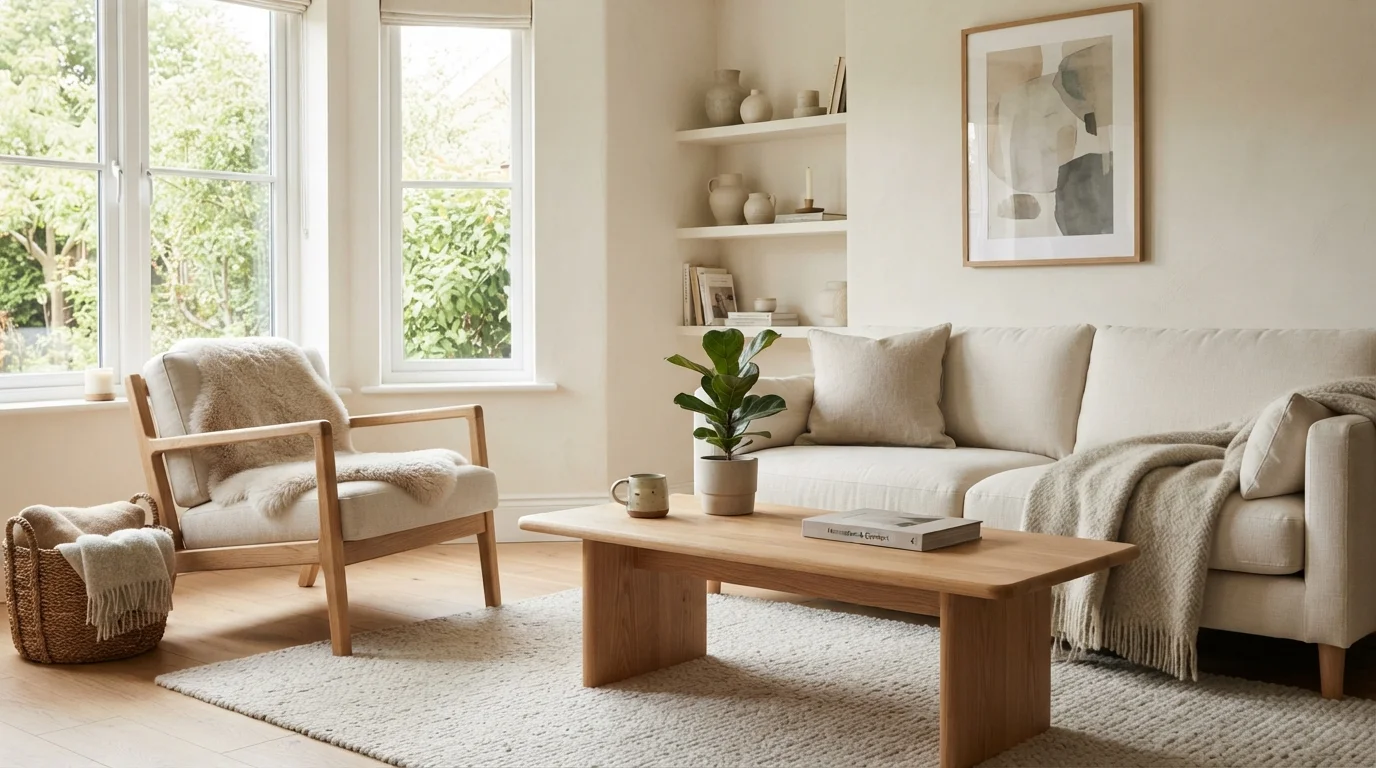
Minimalism often gets a bad rap. People picture stark white rooms, empty shelves, and a cold, unwelcoming vibe. But that couldn’t be further from the truth. The goal of a minimalist home isn’t to strip away warmth—it’s to make room for what truly matters.
You can absolutely create a minimalist home without sacrificing comfort. In fact, when done right, minimalism makes your space more relaxing, easier to clean, and cozier. Let’s explore how to strike that perfect balance between less clutter and more comfort.
Why Minimalism and Comfort Can Coexist
Many people assume that owning fewer things means living in a boring, uncomfortable space. But comfort comes from intentional choices, not from the sheer volume of stuff. A well-curated home with soft textures, warm lighting, and meaningful objects feels far more inviting than a cluttered one.
Think of it this way: comfort is about how a space makes you feel. When you remove visual noise, your brain can actually relax. That’s the magic of combining minimalism with cozy design. You keep only what serves you—and you make sure those items feel good to use and look at.
If you’re ready to start, check out our organization and decluttering section for practical first steps.
Start With Intentional Decluttering
The foundation of any comfortable minimalist home is letting go of things you don’t need. But don’t just toss everything—be strategic. Focus on items that drain your energy or create visual chaos. That pile of old magazines, the broken lamp you’ll never fix, the clothes that don’t fit anymore.
Here’s a simple rule: if it doesn’t serve a purpose or bring you joy, it’s probably stealing your comfort. Start with one room at a time. A great approach is the 30-day declutter challenge: remove one item on day one, two on day two, and so on. It builds momentum without overwhelming you.
For more efficient methods, our cleaning hacks can help you streamline the process while keeping your space cozy.
Choose Multi-Functional Furniture
Comfort doesn’t require a room full of furniture. In fact, too many pieces make a space feel cramped and hard to clean. Instead, invest in pieces that do double duty. An ottoman with hidden storage, a sofa bed for guests, or a dining table that doubles as a desk.
This approach keeps your floor space open while still offering all the functionality you need. Open space feels calm, and calm is comfortable. Plus, fewer items mean less dusting—a win for your house cleaning tips routine.
- Storage ottomans – Perfect for hiding blankets or kids’ toys.
- Nesting tables – Use them when you need them, tuck them away when you don’t.
- Platform beds with drawers – No need for a separate dresser.
Layer Textures for Instant Warmth
A minimalist room can feel cold if you only use hard surfaces. That’s where texture comes in. Think of it as the secret ingredient for comfort. Add a chunky knit throw, a velvet cushion, a wool rug, or linen curtains. These soft elements invite you to sit, relax, and stay a while.
Stick to a neutral or earthy color palette—beige, warm gray, olive, terracotta. This keeps the visual calmness of minimalism while adding depth. The key is variation: mix smooth with rough, shiny with matte, soft with sturdy.
Even your cleaning routine can support this cozy vibe. Using natural, non-toxic products keeps your surfaces safe for your family and pets. Check out our eco-friendly cleaning guide to maintain that warm feel without harsh chemicals.
Let Natural Light Lead the Design
Nothing makes a home feel more comfortable than natural light. In a minimalist space, windows become the main focal point. Keep window treatments light—sheer curtains or bamboo blinds let sunlight filter in while still offering privacy.
Arrange your furniture to maximize light flow. Don’t block windows with heavy sofas or tall bookshelves. Use mirrors strategically to bounce light around the room. A well-lit room feels bigger, airier, and instantly more inviting.
And here’s a bonus: natural light makes your home look cleaner. Dust and clutter are more visible in dim lighting, so a bright space encourages you to keep things tidy.
Create Cozy Zones Without Clutter
Minimalism doesn’t mean every room has to look the same. You can carve out specific zones for relaxation, work, and play—just keep each zone focused. A reading nook needs a comfortable chair, a small side table, and a good lamp. That’s it.
Use rugs to define these zones visually. A soft rug under your coffee table signals “this is the living area.” A smaller rug by the bed says “this is where I unwind.” This zoning trick makes your home feel purposeful without adding stuff.
| Zone | Essentials | Items to Avoid |
|---|---|---|
| Reading nook | Chair, lamp, small shelf, throw blanket | Multiple piles of books, decor clutter |
| Work area | Desk, ergonomic chair, task lighting | Papers, old tech, unnecessary stationery |
| Living room | Sofa, coffee table, one or two decor pieces | Excessive pillows, magazines, trinkets |
Curate a Capsule Wardrobe for Everyday Ease
Your closet is often the most cluttered part of the home. A minimalist wardrobe—sometimes called a capsule wardrobe—is a game changer for comfort and simplicity. Keep only pieces you love and wear regularly. Aim for versatile items that mix and match easily.
When your closet is organized, getting dressed becomes a peaceful ritual instead of a stressful hunt. That ease spills into your entire morning. Plus, you’ll do less laundry and spend less time folding and sorting. It’s a small change with a big impact on daily comfort.
For more guidance, explore our garden maintenance section too—believe it or not, an organized outdoor space supports the same minimalist-comfort balance.
Incorporate Greenery Without the Mess
Plants add life, color, and a sense of calm to any minimalist home. But they can also create clutter if you go overboard. Choose two or three statement plants—like a fiddle-leaf fig, a snake plant, or a pothos—and place them where they get the most visual impact.
Use simple, neutral pots that blend with your decor. Avoid tiny planters scattered everywhere. Grouping plants together creates a mini indoor garden effect while keeping surfaces clear. And don’t forget: plants improve indoor air quality, which directly boosts your comfort.
For those who travel often or forget to water, consider high-quality artificial plants. They offer the same visual benefit with zero maintenance.
FAQ: Creating a Minimalist Home Without Sacrificing Comfort
1. What is the first step to becoming a minimalist at home?
Start with one small area, like a single drawer or a bathroom counter. Remove everything, clean the surface, and only put back what you truly use or love. This builds confidence and shows you how good it feels.
2. Can you be a minimalist if you have kids or pets?
Absolutely. Minimalism adapts to your lifestyle. Focus on easy-to-clean surfaces, durable furniture, and smart storage for toys and pet supplies. Comfort for your family always comes first.
3. How do I keep my minimalist home from feeling sterile?
Add warmth through textures—rugs, throws, cushions, and natural wood. Incorporate personal items like family photos or art, but display them intentionally. A few meaningful objects beat a wall full of clutter.
4. What are the best materials for a cozy minimalist look?
Think natural fibers: linen, cotton, wool, bamboo, and wood. Stone or concrete accents can work too, but balance them with soft textiles. Avoid plastic and synthetic materials when possible.
5. How often should I declutter to maintain comfort?
Seasonal decluttering works well for most people. Every three months, go through each room and remove items you no longer need. It keeps your home comfortable without becoming a full-time job.
6. Is minimalism expensive to achieve?
Not at all. Minimalism actually saves you money because you buy less. Focus on quality over quantity, but you can find affordable basics at secondhand stores. The goal is fewer things, not pricey ones.
7. What’s the biggest mistake people make when going minimalist?
Getting rid of everything too fast. You might regret donating items you actually need or love. Take it slow. Live with less gradually and see how it feels. Comfort should evolve, not be forced.
8. Can I still decorate for holidays in a minimalist home?
Yes, just keep it intentional. Choose a few high-quality decorations instead of a pile of plastic items. A simple wreath, a small tree, or a minimalist garland can feel festive without overwhelming your space.
Conclusion: Less Stuff, More Ease
Creating a minimalist home without sacrificing comfort is not about deprivation. It’s about making room for rest, clarity, and the things that genuinely make you happy. When you declutter with intention, choose furniture that works for your life, and layer in cozy textures, your home becomes a sanctuary.
Start small. Focus on how each change makes you feel. Before you know it, you’ll wonder why you ever needed so much to be comfortable. And if you’re curious about deeper wellness habits that complement your home, this external resource on holistic well-being might inspire your next step.
Ready to keep going? Dive into our organization and decluttering category for more actionable advice.


