
Why Americans Are Embracing Minimalism in 2026
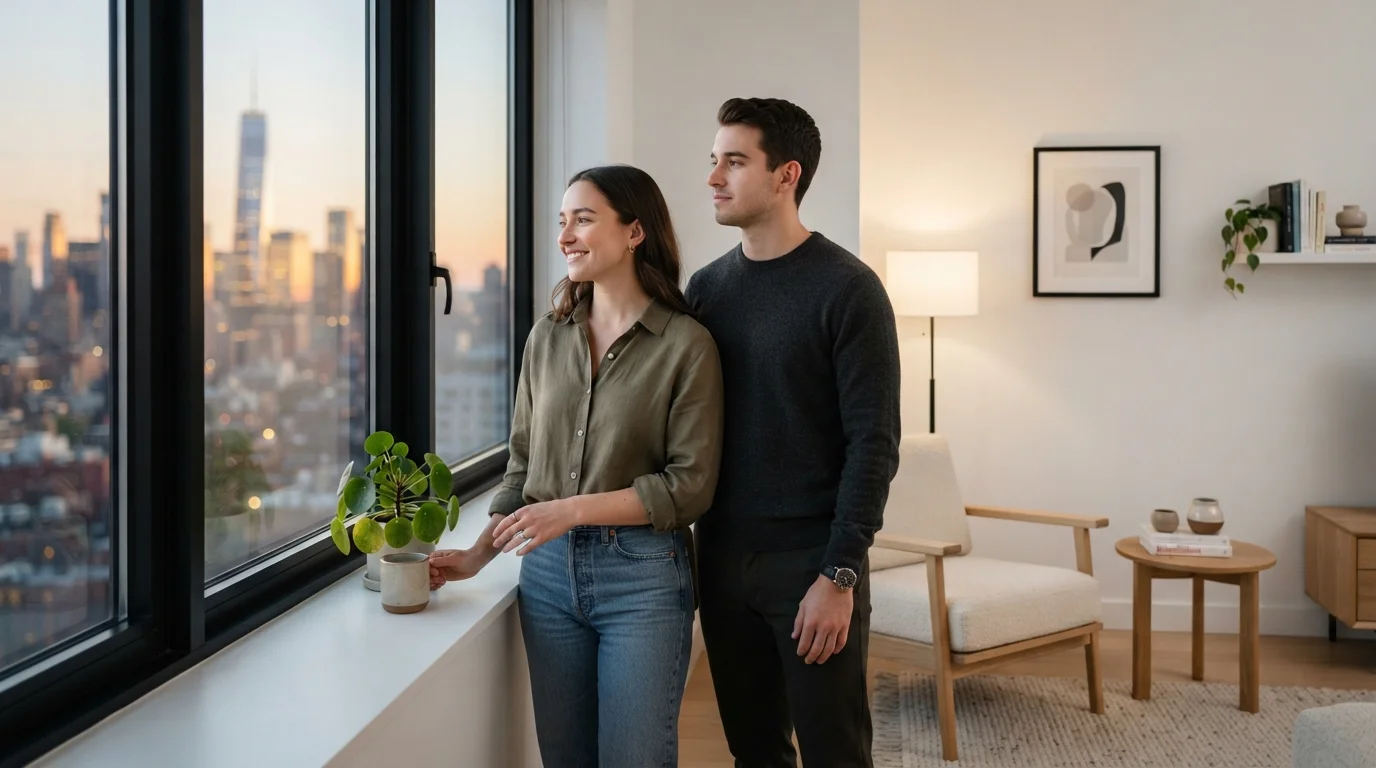
In 2026, a quiet revolution is sweeping through American homes. It’s not about buying more—it’s about owning less. Minimalism has evolved from a niche aesthetic into a mainstream lifestyle, driven by economic pressures, environmental awareness, and a collective desire for mental clarity.
If you’ve ever stared at a cluttered closet and felt overwhelmed, you’re not alone. Americans are increasingly rejecting the “more is better” mentality. Instead, they’re choosing spaces that breathe, budgets that stretch further, and routines that prioritize peace over possessions.
This shift isn’t just about tossing old sneakers. It’s a strategic, emotional, and financial reset. Let’s unpack the real reasons behind this trend and how you can join the movement—starting with your own home.
The Financial Wake-Up Call
Inflation and rising living costs have forced many families to rethink spending. Buying less isn’t just a philosophy—it’s a survival strategy. When every dollar counts, investing in multi-purpose furniture or quality staples makes more sense than filling a cart with cheap clutter.
Minimalism helps you save on storage bins, cleaning products, and even utility bills. A less cluttered home requires less time and energy to maintain. Many families report saving up to 20 hours a month on cleaning and organizing after downsizing their belongings.
Plus, the resale market has exploded. Selling unused items on platforms like Facebook Marketplace or Poshmark turns clutter into cash. That dusty bread maker? Someone will pay for it. That extra set of dishes? Gone, and your bank account thanks you.
Mental Clarity in a Chaotic World
Our physical environment directly impacts our mental state. Studies show that visual clutter increases cortisol levels, the stress hormone. In 2026, Americans are prioritizing mental health like never before, and decluttering is a free, accessible therapy.
When your space is simple, your mind follows. People report better focus, improved sleep, and less decision fatigue after adopting minimalist home organization. Imagine walking into your living room and feeling calm instead of anxious.
This isn’t about living in an empty white box. It’s about keeping only what serves you or sparks joy. Our decluttering guides can help you start small—one drawer at a time—without feeling overwhelmed.
The Eco-Friendly Push
Climate change is no longer an abstract threat. Americans see it in extreme weather and rising grocery bills. Minimalism is a direct response to overconsumption. Buying less means less waste, fewer resources used, and a smaller carbon footprint.
Instead of replacing furniture every few years, people are repairing, upcycling, and choosing timeless designs. Fast furniture is out. Durable, sustainable pieces are in. This aligns perfectly with eco-friendly cleaning practices that use non-toxic products and reduce plastic waste.
Even your cleaning routine can reflect this mindset. Fewer possessions mean fewer surfaces to dust, less laundry, and less need for harsh chemicals. It’s a ripple effect that benefits both your home and the planet.
Digital Decluttering: The Overlooked Sibling
Physical clutter isn’t the only problem. Americans are drowning in digital noise—thousands of unread emails, endless photos, and apps they never use. In 2026, digital minimalism is growing alongside its physical counterpart.
Cleaning up your phone and computer reduces distraction and saves time. Unsubscribe from promotional emails. Delete apps you haven’t opened in months. Organize files into clear folders. It’s like digital cleaning hacks for your brain.
Many people report that once they clear their digital space, they feel more motivated to tackle physical clutter. The two processes feed each other. Start with your inbox, and soon you’ll be eyeing that overstuffed closet with fresh determination.
Practical Steps to Start Your Minimalist Journey
You don’t need to throw away everything and move into a tiny house. Minimalism is personal. Here are concrete steps that fit any home:
- The 30-Day Declutter Challenge: Remove one item on day one, two on day two, and so on. By day 30, you’ll have removed 465 items.
- One-In-One-Out Rule: For every new item you bring home, donate or discard one existing item.
- Category Sorting: Focus on one category at a time (clothes, books, kitchen tools) rather than one room.
- The 10-Minute Tidy: Set a timer and clear surfaces quickly. Consistency beats intensity.
- Question Each Purchase: Before buying, ask: “Do I have a place for this? Will I use it in the next month?”
For deeper guidance, check out our house cleaning tips that incorporate minimalist principles. A clean home starts with less stuff to clean.
Minimalism vs. Aesthetics: Finding Your Style
Some people fear minimalism means sacrificing personality. Not true. You can have a cozy, colorful home and still be a minimalist. It’s about intentionality, not emptiness.
Consider this comparison of two popular minimalist approaches:
| Aspect | Scandinavian Minimalism | Warm Minimalism |
|---|---|---|
| Color palette | Whites, grays, muted tones | Earthy browns, soft greens, cream |
| Materials | Light wood, metal, glass | Textiles, ceramics, natural fibers |
| Feeling | Clean, airy, functional | Inviting, layered, lived-in |
| Best for | Small apartments, modern homes | Family spaces, colder climates |
Both styles reduce visual noise but keep warmth. Choose what makes you feel at home. Minimalism should liberate you, not restrict you.
The Role of Routine in Sustaining Minimalism
Decluttering is a one-time event. Staying minimal is a habit. In 2026, successful minimalists rely on daily and weekly routines to prevent accumulation.
A simple evening reset—putting away shoes, clearing the kitchen counter, filing papers—takes five minutes but prevents chaos. Weekly check-ins can catch clutter before it multiplies. Monthly deeper cleans keep seasonal items in check.
Consider it like brushing your teeth. You don’t do it once and expect perfect dental health forever. Maintaining a minimalist home requires consistent small actions. The payoff is a space that always feels like a sanctuary.
For more inspiration, many people turn to expert resources. One highly recommended tool for structured decluttering is The Minimalist Home Method, which offers a step-by-step system for clearing your space without burnout.
Frequently Asked Questions
1. Does minimalism mean getting rid of sentimental items?
No. Minimalism isn’t about erasing memories. Keep items that truly bring you joy or have deep meaning. The key is to limit memorabilia to a designated box or shelf, rather than letting it take over every surface.
2. How do I handle family members who aren’t on board?
Start with your own space. Lead by example. Don’t force others to declutter. Instead, invite them to join a “one week challenge” with you. Often, seeing the benefits—more space, less stress—sparks their curiosity.
3. What’s the first room I should declutter?
Start with the bedroom. It’s your personal sanctuary. A calm sleeping environment improves rest and mood. The visual impact is immediate and motivating. After that, move to the living room or kitchen.
4. How do I avoid re-cluttering after a big purge?
Implement the one-in-one-out rule. Also, create a “holding zone” for new purchases. Wait 48 hours before bringing any non-essential item into your home. That pause often kills impulse buying.
5. Is minimalism more expensive?
Initially, you might spend more on quality items. But over time, you buy less and replace less. Studies show minimalists save an average of 15-20% on household spending within six months of starting the practice.
6. Can I be a minimalist with kids?
Absolutely. Family minimalism looks different—it includes art supplies and toys. The focus is on rotation and limits. Have fewer toys out at once, and donate what your child has outgrown. Involve kids in the process to teach value.
7. How does minimalism relate to cleaning?
Directly. Less clutter means less dusting, less organizing, and less time spent cleaning. Many people who adopt minimalist home organization find their weekly cleaning time drops by half. A minimalist garden also requires less maintenance—fewer plants, more purposeful design.
8. What if I relapse and accumulate clutter again?
It’s normal. Minimalism is a practice, not perfection. If you slip, don’t shame yourself. Simply do a quick reset. Remember why you started. The journey is more important than the destination.
Final Thoughts: Less Really Is More
Minimalism in 2026 is not a trend you follow for Instagram. It’s a practical response to modern overwhelm. Americans are waking up to the fact that space, time, and peace are the true luxuries.
You don’t need a perfect, magazine-ready home. You need a home that supports your life, not complicates it. Start small. Pick one drawer, one shelf, one corner. The freedom you feel will motivate you to continue.
Embrace minimalism on your own terms. Your home will feel lighter, your mind clearer, and your wallet fuller. And that’s a choice everyone can make—starting today.


