Top Eco-Friendly Cleaning Brands You Need to Know
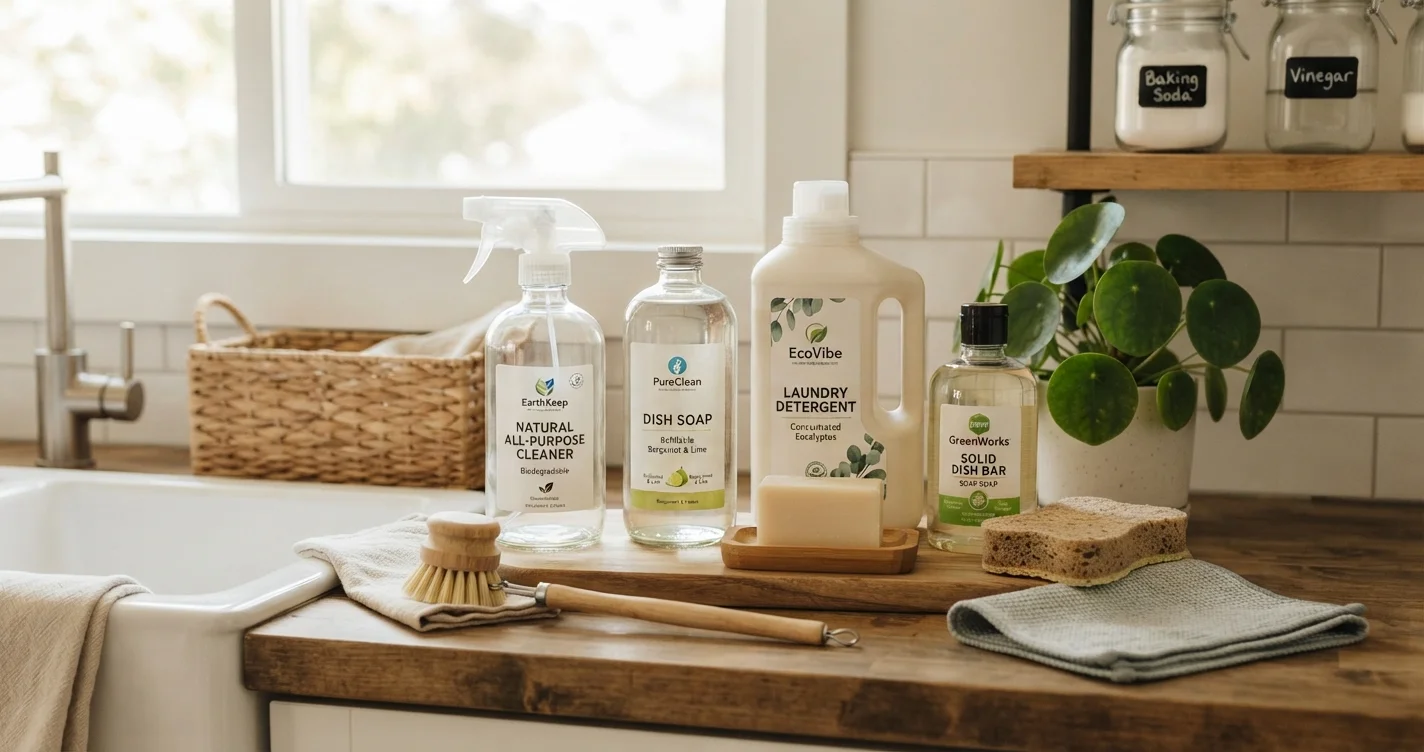
Let’s be honest: cleaning your home shouldn’t come at the cost of the planet or your health. More and more people are ditching harsh chemicals in favor of eco-friendly cleaning brands that actually work. Whether you’re scrubbing countertops, washing windows, or tidying up the garden, switching to sustainable options is easier than ever.
I’ve spent years testing green products in real homes, and I can tell you—natural cleaners have come a long way. They’re no longer the watery, weak alternatives of the past. Today’s best brands combine plant-based power with serious cleaning punch.
In this guide, I’ll walk you through the top eco-friendly cleaning brands you need to know. We’ll cover everything from all-purpose sprays to garden-safe solutions. If you’re looking for more eco-friendly cleaning ideas, you’ll find plenty of support here.
Why Switch to Eco-Friendly Cleaning Brands?
The average household uses dozens of synthetic chemicals every week. Many of these end up in our waterways and contribute to indoor air pollution. Switching to sustainable cleaning products reduces your carbon footprint and protects your family from irritants and toxins.
But it’s not just about health. Eco-friendly brands often use biodegradable packaging, concentrated formulas, and ethical supply chains. You get a cleaner home and a cleaner conscience. Plus, many natural ingredients like vinegar, baking soda, and essential oils are surprisingly effective against grease, grime, and bacteria.
If you want to dive deeper into practical house cleaning tips that pair well with green products, check out our library of guides.
Top Eco-Friendly Cleaning Brands for Your Home
Here are the standout brands that have earned my trust over years of reviewing and recommending. Each one offers something unique, and all are available online or in major retailers.
- Seventh Generation: A pioneer in plant-based cleaning. Their Free & Clear line is perfect for sensitive skin and works great on floors, counters, and glass.
- Method: Known for stylish packaging and biodegradable formulas. Their all-purpose spray with naturally derived surfactants is a fan favorite.
- Ecover: Focuses on aquatic safety. Their dish soap and laundry detergents are phosphate-free and fully biodegradable within days.
- Blueland: Innovative tablet-based system that reduces plastic waste. Just add water to a reusable bottle—saves space and the environment.
- Dr. Bronner’s: A classic for good reason. Their castile soap can be diluted for dozens of uses, from mopping to gardening.
- Grove Collaborative: A subscription service curating the best eco-friendly brands. Their own line of concentrated cleaners is potent and affordable.
These brands all prioritize transparency. Look for third-party certifications like EPA Safer Choice or USDA Biobased to ensure you’re getting the real deal.
Eco-Friendly Options for the Garden
Your outdoor space deserves the same green treatment. Many chemical pesticides and weed killers harm beneficial insects and soil health. Instead, try plant-based solutions from brands like Safer Brand or EcoSMART. They use essential oils to repel pests without toxic residue.
For your lawn and plants, natural compost and organic fertilizers from Dr. Earth provide nutrients without synthetic runoff. I also love using diluted castile soap (yes, Dr. Bronner’s again) as a gentle insecticide for aphids and mites.
If you need more advice on keeping your yard lush and green, check out our garden maintenance resources. You’ll find seasonal tips that align with an eco-friendly lifestyle.
How to Choose the Right Sustainable Cleaning Products
Not all green labels are created equal. Some brands engage in “greenwashing,” using misleading claims to appear eco-friendly. Here’s how to cut through the noise:
| What to Look For | Why It Matters |
|---|---|
| Plant-based ingredients | Biodegradable and safe for waterways |
| Minimal or recyclable packaging | Reduces plastic waste |
| Fragrance-free or natural scents | No phthalates or synthetic allergens |
| Third-party certifications | Verifies environmental and safety claims |
| Concentrated formulas | Less packaging, fewer shipments |
I personally avoid products that list “fragrance” without specifying the source. That’s often code for hidden chemicals. Stick with brands that disclose every ingredient, and you’ll never go wrong.
If you’re curious about clever ways to reduce waste while cleaning, explore our cleaning hacks for budget-friendly DIY solutions using everyday pantry items.
DIY Alternatives to Store-Bought Eco-Friendly Cleaners
Sometimes the greenest option is already in your cabinet. You can create powerful cleaners with three basic ingredients: white vinegar, baking soda, and lemon juice. Mix equal parts vinegar and water in a spray bottle for an excellent glass cleaner. Combine baking soda with a little water to form a paste for scrubbing sinks and tubs.
For an all-purpose disinfectant, add 10–15 drops of tea tree or lavender essential oil to a cup of water and a splash of vinegar. Let it sit on surfaces for a few minutes before wiping. These DIY mixes rival any store-bought product and cost pennies.
Pair these homemade solutions with reusable microfiber cloths. You’ll keep hundreds of paper towels out of landfills each year. For more organization ideas that support a zero-waste home, see our organization and decluttering section.
Real People, Real Results with Green Cleaning
I’ve seen families with asthma and eczema experience dramatic improvements after switching to non-toxic home cleaners. One mom told me her son’s chronic cough disappeared within weeks after she ditched bleach-based sprays. Another gardener friend now uses only organic soaps on her vegetable beds, and her harvest is healthier than ever.
You don’t need to overhaul everything overnight. Start small: replace your kitchen spray with a plant-based brand, then swap out your laundry detergent. Over time, these small shifts become habits that benefit your home and the planet. For deeper dives into sustainable living, explore this trusted resource on natural home care.
FAQ About Eco-Friendly Cleaning Brands
1. Are eco-friendly cleaners as effective as conventional ones?
Yes, modern formulas are tested to match or exceed chemical brands. Enzymes and plant-based surfactants break down grease and dirt just as well as synthetic detergents.
2. Can I use green products on all surfaces?
Most are safe on sealed surfaces like countertops, tile, and glass. Avoid acidic cleaners (like straight vinegar) on natural stone or marble. Always check the label.
3. Are these brands more expensive?
Some premium brands cost a bit more upfront, but concentrated formulas last longer. DIY options are extremely affordable. Over time, the price difference narrows.
4. Do eco-friendly cleaning brands kill bacteria and viruses?
Many are registered as disinfectants and kill 99.9% of germs. Look for labels that specify “disinfecting” or “antibacterial” if that’s a priority for you.
5. What should I look for on the label?
Check for certifications like “USDA Certified Biobased,” “EPA Safer Choice,” or “Leaping Bunny” (cruelty-free). Also avoid vague claims like “all-natural” without ingredient lists.
6. Can I use eco-friendly cleaners for garden maintenance?
Absolutely. Several brands offer plant-based pest control and organic fertilizers. For a deeper look, visit our garden maintenance section for specific product recommendations.
7. How do I store homemade cleaners safely?
Use dark glass bottles for mixtures with essential oils (light degrades them). Label everything clearly and keep out of reach of children. Most homemade cleaners last 1–2 months.
Conclusion
Switching to eco-friendly cleaning brands isn’t a trend—it’s a smart, lasting choice for your health and the environment. From plant-based sprays to garden-safe solutions, there’s a green option for every corner of your home.
Start with one or two products from the brands I mentioned, and you’ll quickly see that clean doesn’t have to mean toxic. Your home will smell fresher (naturally), your family will breathe easier, and your garden will thank you.
Remember, every small swap counts. And if you ever feel overwhelmed, just come back to this guide. You’ve got this.


