Why Eco-Friendly Cleaning Is More Important Than Ever
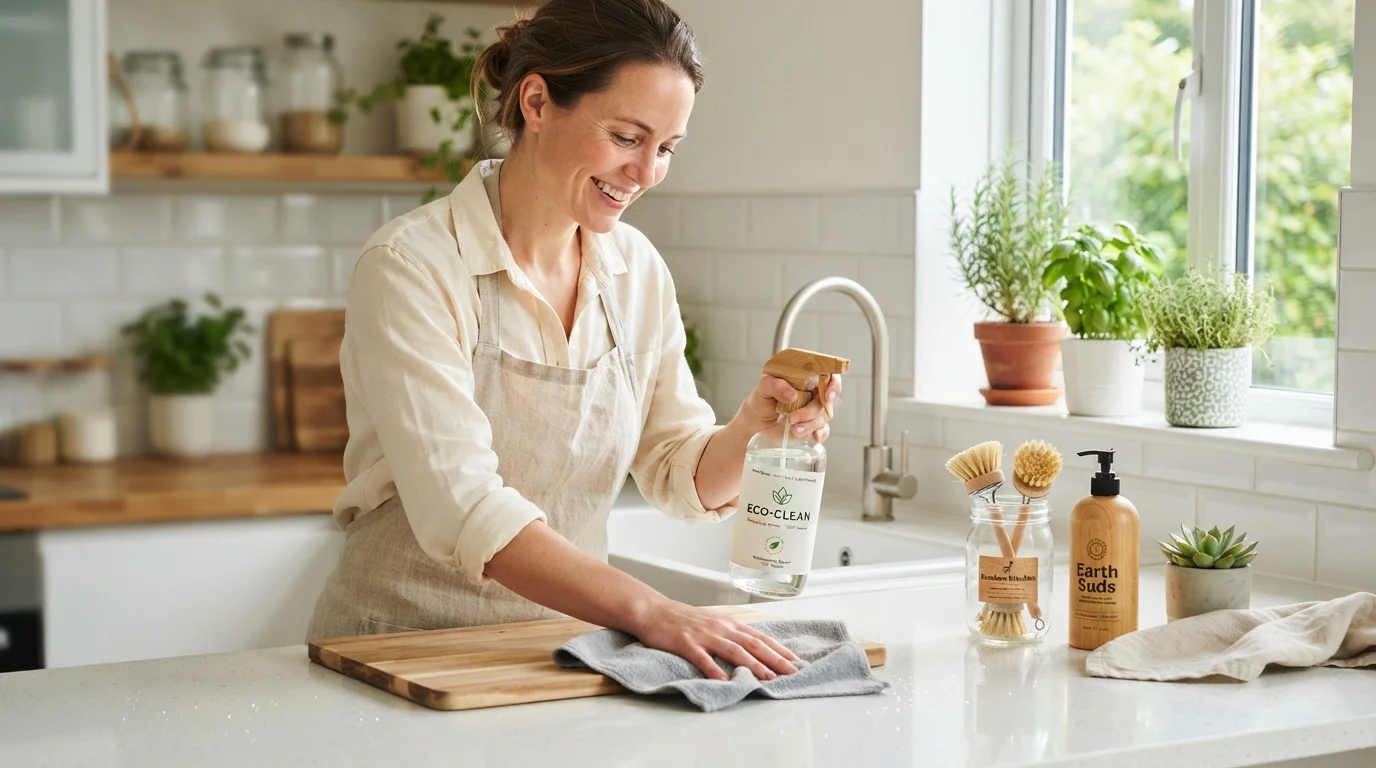
Walk down any cleaning aisle today, and you will see the word “green” plastered on everything from spray bottles to scrub brushes. But this shift is not just a marketing trend. Eco-friendly cleaning has moved from a niche preference to a genuine necessity for modern households.
With rising awareness about indoor air quality, chemical sensitivities, and plastic waste, more homeowners are rethinking what they bring into their living spaces. The truth is, the products you use daily have a direct impact on your family’s health and the environment around you.
The Hidden Cost of Conventional Cleaning Products
That fresh lemon scent from your kitchen spray might smell clean, but it often masks a cocktail of volatile organic compounds (VOCs). These chemicals can linger in the air for hours after use. Studies have shown that regular exposure to VOCs can contribute to respiratory issues, headaches, and skin irritation.
Beyond the bottle, there is the plastic problem. Most conventional cleaners come in single-use plastic containers that rarely get recycled properly. Millions of these bottles end up in landfills every year. Meanwhile, the manufacturing process for synthetic cleaners consumes fossil fuels and releases pollutants into waterways.
Switching to eco-friendly cleaning eliminates much of this burden. By choosing plant-based ingredients and concentrated formulas, you reduce both your chemical exposure and your household waste.
Why Your Health Depends on It
Your home should be your safest haven, not a chemical testing ground. Indoor air can be two to five times more polluted than outdoor air according to the EPA, largely due to cleaning products. Children, pets, and individuals with asthma or allergies are especially vulnerable.
Natural cleaning products made from ingredients like vinegar, baking soda, and castile soap do not release harmful fumes. They clean effectively without compromising the air you breathe. As a result, many families report fewer allergy flare-ups and better breathing after making the switch.
If you are looking for practical ways to improve your routine, check out these house cleaning tips and tricks that prioritize safety and sustainability.
The Environmental Ripple Effect
Every time you wash a chemical cleaner down the drain, it travels to local water treatment facilities. Many synthetic compounds are not fully filtered out. They end up in rivers, lakes, and eventually the ocean, harming aquatic life.
Eco-friendly cleaning products are biodegradable by design. They break down more quickly and safely in the environment. When you opt for brands that use recycled or refillable packaging, you are also cutting down on your plastic footprint significantly.
- Plant-based surfactants dissolve naturally without harming fish or plants.
- Refillable glass spray bottles reduce single-plastic waste by up to 80%.
- Concentrated tablets require less packaging and lower shipping emissions.
- Vinegar and hydrogen peroxide disinfect without creating chemical runoff.
For even more ways to reduce waste around the house, explore sustainable cleaning hacks and shortcuts used by eco-conscious homeowners.
Natural Alternatives That Actually Work
One common concern is whether natural ingredients can handle tough messes. The answer is yes, when you use them correctly. You do not need a lab of harsh chemicals to disinfect your kitchen or brighten your bathroom.
White vinegar diluted with water makes an excellent glass and counter cleaner. Baking soda mixed with a little water forms a paste that scrubs away grime without scratching surfaces. Lemon juice cuts through grease and leaves a fresh, natural scent.
Hydrogen peroxide (3%) is a powerful, non-toxic disinfectant perfect for cutting boards and bathroom tiles. These staples are inexpensive, readily available, and safe for most surfaces.
If you are transitioning your entire routine, you can find a curated selection of eco-friendly cleaning solutions that balance performance with peace of mind.
Cost Comparison: Green vs. Conventional
A common myth is that green cleaning is more expensive. Let us look at the numbers. The table below compares the average monthly cost of a conventional cleaning routine versus a natural one using DIY ingredients.
| Category | Conventional Products | Eco-Friendly / DIY |
|---|---|---|
| All-purpose cleaner | $4 – $7 per bottle | $0.20 (vinegar + water) |
| Glass cleaner | $3 – $5 per bottle | $0.10 (homemade solution) |
| Scrub / paste | $3 – $6 per tube | $0.05 (baking soda) |
| All-purpose disinfectant | $5 – $8 per bottle | $0.30 (hydrogen peroxide) |
| Monthly total | $15 – $26 | $0.65 – $1.50 |
As the table shows, DIY alternatives save you significant money while delivering comparable or superior results. Even if you buy pre-made eco-friendly brands, the gap is much smaller than most people assume, especially considering the health and environmental benefits.
How to Transition Without Overwhelm
You do not have to replace everything overnight. Start with the most-used products in your home, such as the all-purpose cleaner and kitchen spray. When a bottle runs out, replace it with a natural alternative.
Focus on one room at a time. The kitchen and bathroom are great places to begin because they see the most traffic and the heaviest chemical use. Swap out your sponges for cellulose or bamboo options as well.
Also, read labels carefully. Just because a product says “natural” does not mean it is fully safe. Look for certifications like the EPA Safer Choice or Leaping Bunny to verify the claims. For a deeper dive, many experts recommend this comprehensive green cleaning resource that breaks down what to look for and what to avoid.
Frequently Asked Questions
Is eco-friendly cleaning as effective as bleach?
Yes, for most everyday needs. White vinegar, hydrogen peroxide, and castile soap kill bacteria and viruses effectively. Bleach is only necessary for specific medical or industrial situations.
Can I make my own laundry detergent?
Absolutely. A simple mixture of washing soda, baking soda, and a natural soap bar works well for most loads. It is gentler on fabrics and free of synthetic fragrances.
Are natural cleaning products safe for pets?
Generally, yes. Ingredients like vinegar and baking soda are non-toxic to dogs and cats. Always avoid essential oils like tea tree or citrus in high concentrations, as these can be irritating to some animals.
How do I dispose of old chemical cleaners?
Do not pour them down the drain or toss them in the trash. Check your local hazardous waste drop-off centers. Many communities offer free disposal events for household chemicals.
Do eco-friendly products expire?
Store-bought natural products usually have a shelf life of 12 to 24 months. DIY solutions like vinegar spray can last several months if kept in a cool, dark cabinet. Always label your bottles with the preparation date.
What is the best natural disinfectant?
Hydrogen peroxide (3%) is widely considered the most effective natural disinfectant. It kills bacteria, viruses, and mold on contact and decomposes into oxygen and water.
Can I use essential oils in my cleaning recipes?
Yes, but cautiously. Lemon and lavender oils have antibacterial properties and add a pleasant scent. However, some essential oils can trigger allergies or be toxic to pets, so research each oil before using it heavily.
Where can I find refillable cleaning products?
Many online retailers and local zero-waste stores offer refill stations. You bring your own bottle and fill it with bulk liquid cleaners. It is a great way to reduce plastic without sacrificing convenience.
Conclusion
Eco-friendly cleaning is not about perfection. It is about making smarter choices every time you pick up a spray bottle or scrub brush. Your family breathes easier, your home stays cleaner, and your impact on the planet shrinks with each bottle you choose to skip. Start small, stay consistent, and let your home reflect the care you have for both your loved ones and the earth.


