Eco-Friendly Cleaning Tips for Pet Owners
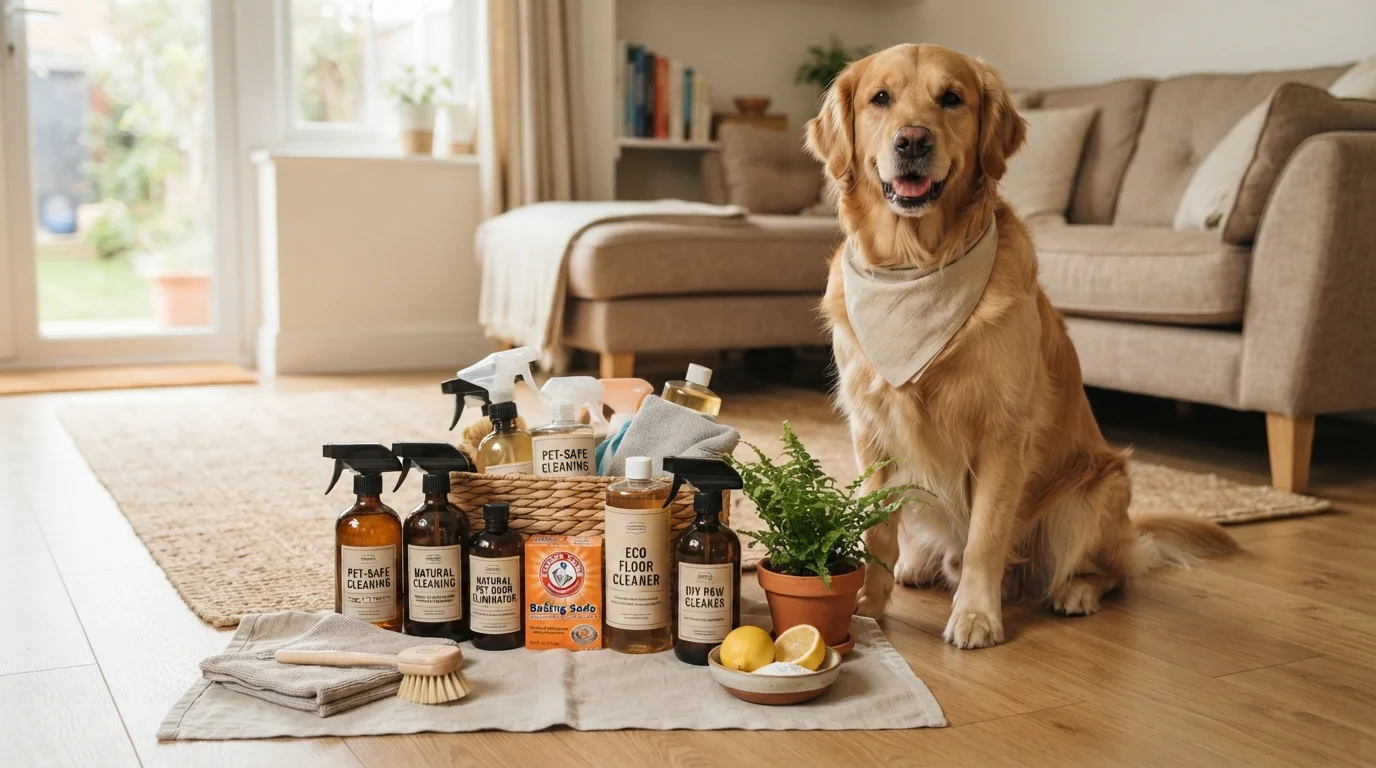
Living with pets brings so much joy—but let’s be honest, it also brings fur, muddy paws, and the occasional accident. If you’re trying to keep your home clean while avoiding harsh chemicals, you’re in the right place. These eco-friendly cleaning tips for pet owners will help you maintain a fresh, safe home without compromising your pet’s health or the environment.
Why Choose Eco-Friendly Cleaning for Homes With Pets?
Conventional cleaning products often contain ammonia, bleach, and phthalates. These ingredients can irritate your pet’s respiratory system, skin, and paws. When you switch to green cleaning for pets, you reduce the risk of accidental poisoning and allergies.
Did you know that the ASPCA receives thousands of calls each year about pets exposed to household cleaners? Using natural alternatives is a simple way to prevent those emergencies.
Plus, eco-friendly cleaners are biodegradable and come in recyclable packaging. That means you’re also reducing your carbon pawprint, literally.
8 Essential Pet-Safe Cleaning Products You Can Make at Home
You probably already have most of these ingredients in your pantry. Here are the best all-natural cleaners that are tough on messes but gentle on your furry friends.
- White vinegar and water: A 1:1 solution works wonders on glass, floors, and countertops. It kills bacteria without toxic fumes.
- Baking soda: Sprinkle it on carpets or furniture, let it sit for 15 minutes, then vacuum. It neutralizes pet odors naturally.
- Castile soap: Mix a few drops with water for a gentle all-purpose cleaner. It’s safe for wiping down pet bowls and toys.
- Lemon juice: Its acidity cuts through grease and leaves a fresh scent. Just avoid using it on porous surfaces like unsealed wood.
- Hydrogen peroxide (3%): Perfect for spot-treating urine stains on light-colored carpets. Always test a small area first.
How to Clean Pet Stains and Odors Naturally
Accidents happen, especially with puppies or senior pets. The key is to act fast. Blot up as much liquid as possible with a clean cloth, then apply a mixture of equal parts water and white vinegar.
Let it sit for 5–10 minutes, then blot again. For stubborn smells, sprinkle baking soda over the area and let it dry before vacuuming.
Avoid steam cleaners that use chemical detergents. Instead, use a steam cleaner with just water—it sanitizes without leaving residue your pet might lick.
For a deeper clean, you can also check out our house cleaning tips tailored for high-traffic areas.
Regular Maintenance to Reduce Dander and Fur
Prevention is half the battle. Brush your pet outside daily to cut down on loose fur inside. Use a microfiber cloth to wipe down surfaces—it traps hair better than paper towels.
Wash your pet’s bedding weekly in hot water with a fragrance-free, plant-based detergent. This keeps dander under control without irritating your pet’s skin.
Vacuuming with a HEPA filter is a game-changer. It captures tiny dander particles that regular vacuums just recirculate into the air.
Looking for more quick solutions? Browse our cleaning hacks for everyday pet messes.
Floor Care: Safe Options for Paws and the Planet
Hardwood, tile, and laminate floors get the brunt of muddy paw prints. For a daily mop, mix 1/2 cup of white vinegar with a gallon of warm water. It’s non-toxic and leaves no slippery residue.
If you have area rugs, use a carpet cleaner made with plant-based enzymes. These break down organic stains (like urine or vomit) naturally.
Avoid floor waxes or polishes that contain solvents. Pets walk on floors and then lick their paws—so every ingredient matters.
For eco-friendly floor maintenance specific to your garden or patio, take a look at our garden maintenance guides.
Keeping Pet Toys and Bowls Germ-Free Without Bleach
Your dog’s favorite chew toy can harbor bacteria. Wash hard plastic toys in the dishwasher using the top rack and a natural detergent. For soft toys, toss them in the washing machine on a gentle cycle with a cup of white vinegar.
Food and water bowls should be cleaned daily. A quick scrub with hot water and castile soap is enough. Avoid using sponges that have touched raw meat—cross-contamination is a real risk.
If you want an organization system for all this pet gear, visit our organization and decluttering section for smart storage ideas.
Comparison Table: Natural vs. Chemical Cleaners
| Feature | Natural Cleaners | Chemical Cleaners |
|---|---|---|
| Pet safety | High – non-toxic if ingested in small amounts | Low – can cause poisoning, burns, or allergies |
| Environmental impact | Biodegradable, low carbon footprint | Often contains phosphates and VOCs |
| Cost per use | Very low (pennies per batch) | Moderate to high |
| Effectiveness on stains | Good for organic messes | Stronger on synthetic stains |
| Fragrance | Mild, natural (vinegar, citrus) | Strong synthetic scents |
Frequently Asked Questions
1. Can I use essential oils around my pets?
Not all essential oils are safe. Tea tree, eucalyptus, and peppermint oils can be toxic to cats and dogs. Stick to pet-safe oils like lavender (in very low dilution) or skip them entirely. Always consult your vet first.
2. Is vinegar safe for dogs to sniff?
Yes, vinegar is safe for dogs to smell, though the strong odor might bother them temporarily. It’s much safer than bleach or ammonia. Just make sure the area is well-ventilated when cleaning.
3. How often should I wash pet bedding?
Wash your pet’s bedding every 7 to 10 days. If your pet has allergies or skin conditions, increase frequency to once a week. Use a fragrance-free, hypoallergenic detergent.
4. What’s the best way to remove pet hair from upholstery?
A dampened rubber glove works brilliantly. Just run your gloved hand over the fabric—the hair clumps together for easy removal. You can also use a squeegee for larger areas.
5. Are store-bought green cleaners truly safe for pets?
Check the label. Look for certifications like “Green Seal” or “EPA Safer Choice.” Even natural brands sometimes include essential oils that are harmful. When in doubt, stick with homemade solutions.
6. How do I prevent muddy paw prints after walks?
Place a washable mat by both doors. Keep a spray bottle with water and a microfiber towel handy. Spray your dog’s paws, wipe them off, and let them in. Simple but effective.
7. Can I use baking soda on all types of carpet?
Baking soda is safe for most synthetic carpets. However, on natural fibers like wool or silk, it can be abrasive. Test in a hidden corner first. Vacuum thoroughly after use.
8. Does hydrogen peroxide damage fabrics?
Hydrogen peroxide (3%) can bleach or discolor dark fabrics. Always spot-test on an inconspicuous area before applying it to carpet or furniture. On light-colored, bleach-safe fabrics, it works very well.
Conclusion
Keeping your home clean while caring for your pets and the planet doesn’t have to be complicated. With a few simple ingredients and smart habits, you can tackle fur, odors, and stains effectively.
These eco-friendly cleaning tips for pet owners are designed to fit into your daily routine without stress. Your pets will thank you with more tail wags and fewer sneezes.
For more inspiration, explore our full collection of eco-friendly cleaning resources. A healthier home starts with one small change today.


