Cleaning Hacks You Wish You Had Learned Years Ago
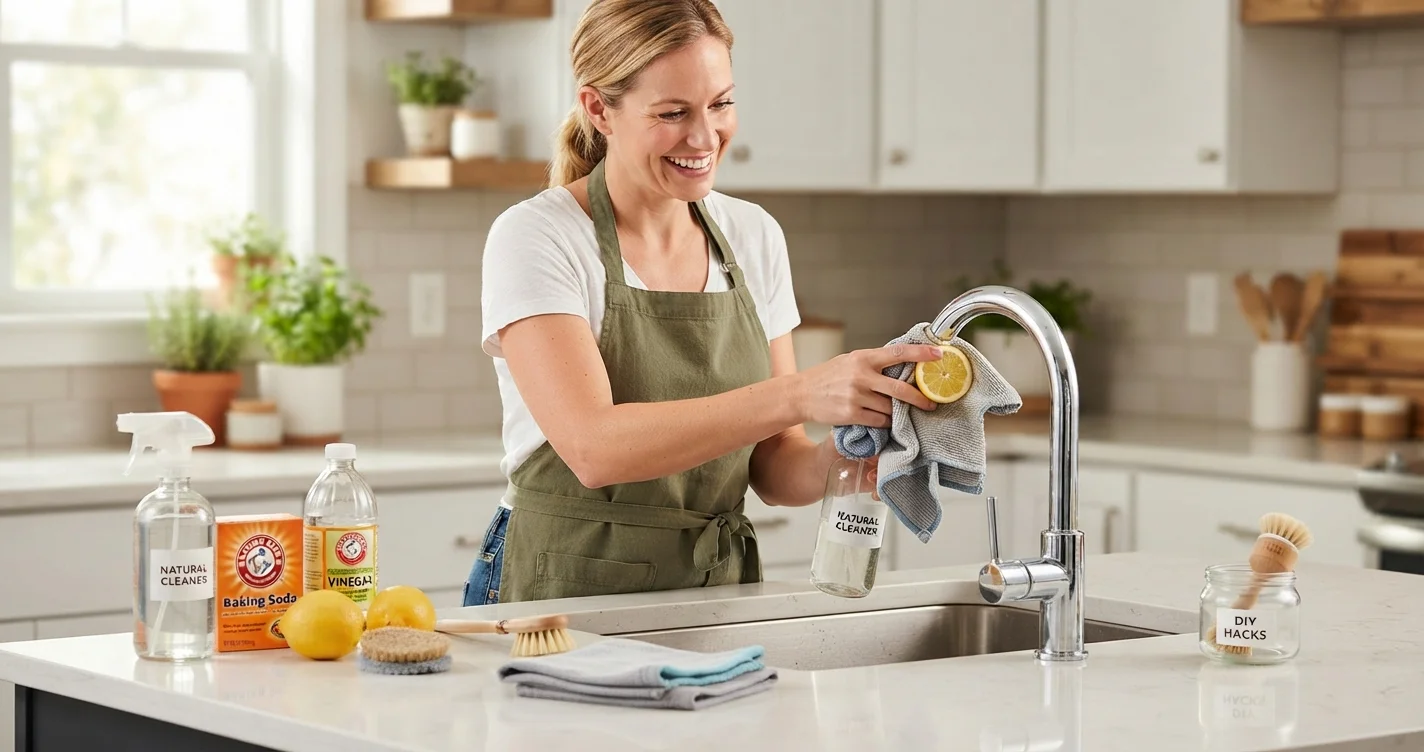
Let’s be honest: cleaning is rarely the highlight of anyone’s week. But what if I told you that most of the grunt work could be cut in half with a few clever tricks? These cleaning hacks are the kind of wisdom you pick up after years of trial and error — or from a grandmother who never used a single commercial product.
I’ve spent over a decade in the Home and Garden Cleaning space, and the best shortcuts are almost always the simplest. Today, I’m sharing the real game-changers — the cleaning hacks you wish you had learned years ago. They’re effective, affordable, and surprisingly satisfying to execute.
1. The Vinegar-and-Dish-Soap All-Purpose Spray
Stop buying ten different sprays. Mix equal parts white vinegar and water in a spray bottle, then add a generous squirt of liquid dish soap. Shake gently. That’s it.
This solution cuts through grease on stovetops, removes soap scum from shower doors, and even wipes down countertops safely. Because it’s mild and non-toxic, it’s a perfect entry point into eco-friendly cleaning without sacrificing power. Just avoid using it on natural stone surfaces like marble or granite — the acid can etch them over time.
2. Dryer Sheets for Baseboards and Screens
Baseboards and window screens attract dust like magnets. Instead of hauling out the vacuum attachment every week, grab a used dryer sheet. The anti-static coating actually repels dust, so surfaces stay clean longer.
Slide a dryer sheet along the top of your baseboards, or wipe your window screens before the summer season begins. It picks up grime instantly and leaves a light, fresh scent. This is one of those home cleaning tips that feels too good to be true — but it works every time.
For more clever ideas like this, check out our full collection in the cleaning hacks category.
3. Remove Carpet Dents with Ice Cubes
Moved the couch and found deep dents in your carpet? Don’t panic. Place one or two ice cubes directly into each dent and leave them to melt. The moisture causes the carpet fibers to swell back into shape.
After the ice has melted (usually in a few hours), fluff the area with a fork or your fingers. Vacuum, and the dent is practically gone. This trick works best on synthetic carpets — for wool or delicate fibers, test in an inconspicuous spot first.
4. The Speed-Cleaning Bathroom Routine
Cleaning the bathroom can feel like a project. But with the right system, you can finish in under 15 minutes. Here’s a quick workflow I teach in my house cleaning tips sessions:
- Step 1: Sprinkle baking soda into the toilet bowl and pour in a cup of vinegar. Let it fizz while you work.
- Step 2: Spray the shower walls and sink with your vinegar-dish-soap mixture. Let it sit for 3 minutes.
- Step 3: Scrub the toilet, then wipe down the shower and sink with a microfiber cloth.
- Step 4: Use a squeegee on the mirror (no drips or streaks).
- Step 5: Wipe the mirror with a dry microfiber cloth — done.
This systematic approach eliminates unnecessary back-and-forth and keeps your bathroom sparkling without wasting a single minute.
5. Garden Tool Care with Vegetable Oil
Rust is the enemy of every gardener. After weeding or digging, rinse your tools and dry them completely. Then rub a thin layer of vegetable oil over the metal parts with an old rag.
The oil creates a barrier against moisture and prevents rust from forming. It also helps soil slide off the blades during your next use. Pair this with regular garden maintenance routines, and your tools will last decades instead of seasons.
6. Microfiber Magic for Dusting
Feather dusters mostly move dust around. Microfiber cloths trap and remove it. Keep a stack of clean, dry microfiber cloths handy for dusting all surfaces — from ceiling fans to baseboards.
For extra efficiency, lightly dampen one cloth with water before dusting. The moisture picks up caked-on dust without leaving residue. Wash them separately (no fabric softener) to maintain their electrostatic charge. It’s a small switch that transforms your daily dusting routine into a one-pass job.
If you’re tackling a full-home overhaul, combine this with our recommendations for organization and decluttering to create a truly tidy space from top to bottom.
7. Lemon and Salt to Brighten Cutting Boards
Plastic and wooden cutting boards develop stains and smells over time. Cut a lemon in half, dip the cut side in coarse salt, and scrub the board in circular motions. The citric acid whitens stains, the salt acts as a gentle abrasive, and the lemon juice neutralizes odors (onion and garlic, I’m looking at you).
Rinse with warm water and let the board air dry. It’s a natural, food-safe solution that costs pennies. For deeper sanitization, you can also follow up with a vinegar wipe, but the lemon-salt combo alone works wonders for daily maintenance.
8. The Dishwasher That Cleans More Than Dishes
Your dishwasher can pull double duty. Place small, dishwasher-safe items like toothbrush holders, soap dishes, plastic toys, and even the dishwasher filter itself onto the top rack. Close the door and run a normal cycle with a cup of vinegar on the top rack.
You’ll be amazed at how much grime comes off. Just avoid putting wooden items, aluminum, or anything with adhesives inside. This hack is a personal favorite among home cleaning tips because it automates the tedium of scrubbing tiny objects by hand.
9. Naturally Freshen Your Garbage Disposal
A smelly garbage disposal is unpleasant, but chemical drain cleaners are harsh on your pipes and the environment. Instead, drop a handful of ice cubes and a few lemon peels into the disposal. Run cold water and turn on the disposal for 15 seconds.
The ice cubes knock off built-up residue along the blades, and the lemon peels release a fresh, natural scent. For an extra boost, add a tablespoon of baking soda before the ice. This method is safe, affordable, and aligns perfectly with eco-friendly cleaning practices.
Many experts recommend using baking soda and vinegar for kitchen odors. For a deeper dive into natural cleaning science, you can explore this comprehensive guide to home cleaning, which covers a wide range of eco-friendly methods.
10. Organize Your Under-Sink Space with Tension Rods
The area under your kitchen or bathroom sink often becomes a chaotic graveyard of half-empty bottles. Install a small tension rod horizontally underneath the sink. Then hang spray bottles by their triggers from the rod.
This frees up floor space for larger items like trash bags, all-purpose cleaners, and scrub brushes. Everything becomes visible at a glance — no more digging through a dark cabinet. Combine this with house cleaning tips for organizing your entire pantry, and you’ll reclaim hours of misplaced time.
| Hack | Main Ingredient | Time Saved | Best For |
|---|---|---|---|
| Vinegar-Dish Soap Spray | Vinegar & dish soap | ~10 min per cleaning | Kitchen, bathroom |
| Dryer Sheet Dusting | Used dryer sheet | ~5 min per room | Baseboards, screens |
| Ice Cube Carpet Dents | Ice cubes | ~20 min (waiting) | Carpet fibers |
| Lemon-Salt Cutting Board | Lemon, salt | ~10 min | Cutting boards |
| Tension Rod Storage | Tension rod | ~15 min setup | Under-sink chaos |
Frequently Asked Questions
1. Are these cleaning hacks safe for all surfaces?
Most are very safe for standard surfaces like tile, glass, stainless steel, and synthetic carpets. Avoid vinegar on natural stone (marble, granite) and lemon on unsealed wood. Always spot-test in an inconspicuous area first.
2. Can I use these hacks if I have pets or young children?
Yes — every hack here uses common household ingredients that are non-toxic. However, keep baking soda and vinegar out of reach of toddlers, and always rinse surfaces that pets might lick.
3. How often should I replace my microfiber cloths?
Replace them every 3–4 months when they start losing their lint-free properties. Wash them after each use with mild detergent and no fabric softener to prolong their life.
4. Will the lemon and salt method damage my cutting board?
No, as long as you rinse thoroughly. It’s gentle enough for daily use on plastic and wood. Avoid leaving the salt-lemon mixture on the board for more than a few minutes.
5. Can I store the vinegar-dish-soap spray long-term?
Yes, in a dark glass or opaque plastic spray bottle. The vinegar may lose some potency over several months, but it remains effective for at least six months.
6. Do dryer sheets really repel dust?
Yes — the anti-static agents in dryer sheets reduce the static charge that attracts dust. Used sheets are ideal because they retain some of these agents without being too wet.
7. What’s the best way to clean a garbage disposal with this method?
Run cold water, add ice cubes and lemon peels, then turn on the disposal for 15 seconds. Finish by flushing with cold water for 10 more seconds. Never use hot water, as it can melt grease and cause clogs.
Conclusion
Cleaning doesn’t have to be a dreaded chore. By adopting these cleaning hacks, you’ll save time, reduce chemical exposure, and make your home and garden shine with minimal effort.
Start with just two or three tips this week — perhaps the vinegar spray and the dryer sheet trick — and build from there. Over time, these habits become second nature. Before you know it, you’ll be the friend everyone calls for home cleaning tips.
Ready to transform your entire cleaning routine? Bookmark this page and revisit it whenever you need a fresh spark of inspiration. Happy cleaning!


