Best Eco-Friendly Habits for Modern Homeowners
Modern homeowners are increasingly looking for ways to reduce their environmental footprint without sacrificing comfort or style. But let’s be real: going green can feel overwhelming when you’re juggling work, family, and a million other responsibilities.
The good news? You don’t need a complete lifestyle overhaul to make a real difference. In fact, adopting a few eco-friendly habits for modern homeowners can save you money, improve your indoor air quality, and simplify your cleaning routine.
I’ve spent over a decade writing about home care, and I’ve tested hundreds of “green” products and techniques. Some are game-changers. Others? Complete gimmicks. In this guide, I’ll share the proven habits that actually work for busy households.
Why Eco-Friendly Habits Matter More Than Ever
Think about all the chemicals you bring into your home each week: floor cleaners, window sprays, laundry detergents. Many contain volatile organic compounds (VOCs) that linger in your air long after you’ve finished scrubbing.
Studies show indoor air can be two to five times more polluted than outdoor air. That’s a scary thought when you consider how much time we spend inside. Switching to non-toxic alternatives protects your family and your wallet in the long run.
Plus, traditional cleaning products often come in single-use plastic bottles. By shifting to refillable or concentrated options, you’re cutting down on landfill waste. It’s a small change that adds up fast when you consider how often we clean bathrooms and kitchens.
Swap Chemical Cleaners for DIY All-Purpose Solutions
You probably already have everything you need to make effective cleaning sprays right in your pantry. White vinegar, baking soda, and lemon juice can handle most messes in your home—from greasy stovetops to soap scum in the shower.
A simple mix of equal parts water and white vinegar in a spray bottle works wonders on mirrors and countertops. Just avoid using vinegar on natural stone surfaces like granite or marble, as the acid can etch the finish.
For tougher jobs, sprinkle baking soda over a wet surface and scrub with a sponge. I use this trick every week on my kitchen sink, and it’s honestly more effective than most commercial abrasive powders.
If you prefer store-bought solutions, look for brands that disclose their full ingredient list and use plant-based surfactants. Many concentrated formulas let you reuse the same spray bottle for months.
Reduce Water Waste with Smart Gardening Practices
Your garden can be a huge source of water waste if you’re not careful. But you don’t need to let your lawn turn brown to be eco-conscious. Simple changes like watering early in the morning reduce evaporation and keep your plants hydrated longer.
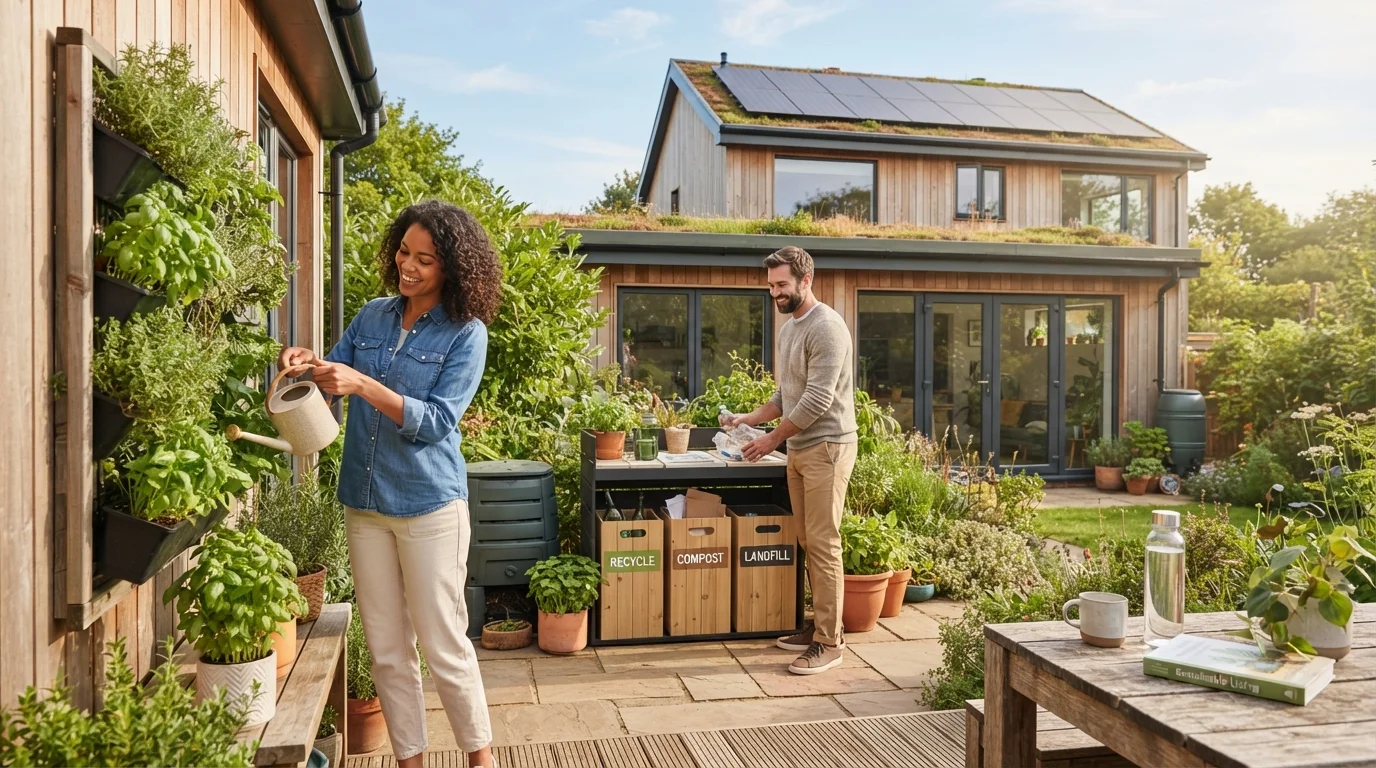
Collecting rainwater is another fantastic habit for modern homeowners. A basic rain barrel under your downspout can capture hundreds of gallons each season—free water for your flower beds and vegetable garden.
Mulching around plants also locks in moisture and suppresses weeds. It’s a low-effort, high-impact practice that any homeowner can adopt over a weekend. For more hands-on advice, check out our garden maintenance guides for seasonal tips.
Invest in Reusable and Compostable Cleaning Tools
Disposable wipes and paper towels might be convenient, but they generate a shocking amount of waste. One roll of paper towels produces about 0.5 pounds of trash that cannot be recycled once soiled with cleaning chemicals.
Switch to microfiber cloths instead. They trap dust and bacteria better than cotton, and you can wash and reuse them hundreds of times. I keep a basket of clean microfiber cloths under my sink and just toss the dirty ones into the laundry after each cleaning session.
For scrubbing, look for brushes with wooden handles and replaceable heads. Compostable sponges made from cellulose and loofah are also widely available now. They break down naturally when you’re done with them.
Don’t forget about your mop. Old-fashioned cotton string mops are surprisingly eco-friendly because you can wash them and reuse them for years. Avoid the disposable pad systems whenever possible.
Make Your Cleaning Routine More Energy-Efficient
Many of us don’t realize how much energy we waste during routine chores. Running your vacuum on high power for every room is unnecessary, especially if you vacuum frequently. Use the “eco” mode on your appliances when available.
Washing dishes by hand might seem greener, but an Energy Star-rated dishwasher actually uses less water and energy per load—as long as you run it full. Skip the pre-rinsing too; modern dishwashers are designed to handle food residue.
When doing laundry, wash in cold water whenever possible. Modern detergents are formulated to clean just as well in cold temperatures. This one habit can cut your washing machine’s energy use by 90% per load, according to energy experts.
If you’re looking to organize your cleaning supplies more efficiently, check out our organization and decluttering section for practical storage ideas.
Adopt a “One In, One Out” Rule for Household Products
Hoarding half-empty bottles of cleaning products is bad for your home and the planet. Each bottle takes energy to manufacture, transport, and eventually recycle or send to a landfill. The solution is simple: commit to a one-in, one-out policy.
Before you buy a new eco-friendly cleaner, finish the one you currently have. This forces you to shop intentionally and avoid impulse purchases of trendy products that may not work for your space.
Stick to multipurpose products whenever possible. A single castile soap concentrate can be diluted to clean floors, wash dishes, and even make hand soap. Fewer bottles mean less plastic waste and less clutter in your cabinets.
Here are a few examples of versatile items every green home should have:
- White vinegar (cleaning, deodorizing, descaling)
- Baking soda (scrubbing, deodorizing, laundry booster)
- Castile soap (all-purpose liquid cleaner, body wash)
- Lemon juice (grease cutter, stain remover, natural bleach)
- Washing soda (laundry detergent booster, heavy-duty cleaner)
Comparison: Traditional vs. Eco-Friendly Home Habits
Sometimes it helps to see the difference side by side. The table below breaks down common household tasks and how you can make them greener without extra effort.
| Task | Traditional Habit | Eco-Friendly Alternative | Benefit |
|---|---|---|---|
| Cleaning windows | Glass cleaner in spray can | Vinegar + water in reusable bottle | Zero chemicals, less plastic waste |
| Mopping floors | Disposable pad system | Washable cotton or microfiber mop | Reduces landfill waste |
| Laundry | Hot water + bleach | Cold water + oxygen bleach | 90% less energy, gentler on fabrics |
| Gardening | Hose midday | Rain barrel + morning watering | Water conservation, healthier plants |
| Kitchen cleanup | Paper towels + chemical spray | Microfiber cloth + DIY solution | Reusable, non-toxic, cheaper |
Frequently Asked Questions About Eco-Friendly Habits
1. Are homemade cleaning products as effective as store-bought ones?
Yes, for most everyday jobs. Vinegar and baking soda work great on grease, soap scum, and minor stains. For heavy-duty disinfecting, use a diluted hydrogen peroxide solution or a plant-based product labeled as a disinfectant.
2. How do I know if a product is truly eco-friendly?
Look for third-party certifications like EPA Safer Choice, Green Seal, or Leaping Bunny (cruelty-free). Avoid vague terms like “natural” or “green” without supporting details. If you’re curious, browse our eco-friendly cleaning section for vetted recommendations.
3. Can eco-friendly habits really save me money?
Absolutely. DIY cleaners cost pennies per use. Reducing water and energy usage lowers your utility bills. Plus, reusable tools last years instead of weeks. For example, a $12 bucket of concentrated plant-based cleaner makes dozens of bottles for a fraction of retail cost.
4. Is it safe to mix vinegar and baking soda?
Yes, but the fizzy reaction is mostly for scrubbing action—it doesn’t “power clean” more than each ingredient alone. Use the mixture immediately while it’s still bubbling for best results on drains or baked-on messes.
5. How do I get started without feeling overwhelmed?
Pick one room to start. Swap your kitchen cleaners first since they touch food surfaces. Replace your paper towels with microfiber cloths, and make one batch of vinegar spray. Once that feels normal, move to the bathroom.
6. What’s the most impactful eco-friendly change for a busy person?
Switching to cold-water laundry. It takes zero extra time, requires no new products, and drastically cuts your carbon footprint. You can also check out our house cleaning tips for more low-effort green upgrades.
7. Do electric mowers really make a difference?
Yes, especially if you replace a gas mower. Gas lawn equipment emits significant pollutants. An electric mower is quieter, lighter, and far better for air quality—plus it pairs nicely with a solar-powered home if you have panels.
8. What about composting? Is it necessary for eco-friendly living?
Not mandatory, but it’s one of the most rewarding habits. You reduce methane from landfills and create free fertilizer. If you don’t have space for a full bin, try countertop composting systems or community drop-off programs.
For more time-saving cleaning methods that also respect the planet, don’t miss our cleaning hacks collection—full of reader-approved shortcuts.
Conclusion: Start Small, Stay Consistent
Adopting eco-friendly habits for modern homeowners doesn’t require a perfect score. It’s about progress, not perfection. Each small swap—a microfiber cloth instead of paper towels, a rain barrel instead of a sprinkler—builds momentum.
I’ve seen countless readers transform their homes over time by focusing on one change at a time. The key is consistency. You don’t have to be a zero-waste guru to make a meaningful impact.
Start with one habit from this list today. Your home, your wallet, and the planet will thank you. And if you’re looking for even more inspiration, remember that resources like specialized green living programs can provide structured guidance if you want to go deeper.
What change will you make first? Let me know—I’m always happy to help you troubleshoot your next sustainable upgrade.


