
The Ultimate Minimalist Home Organization Guide
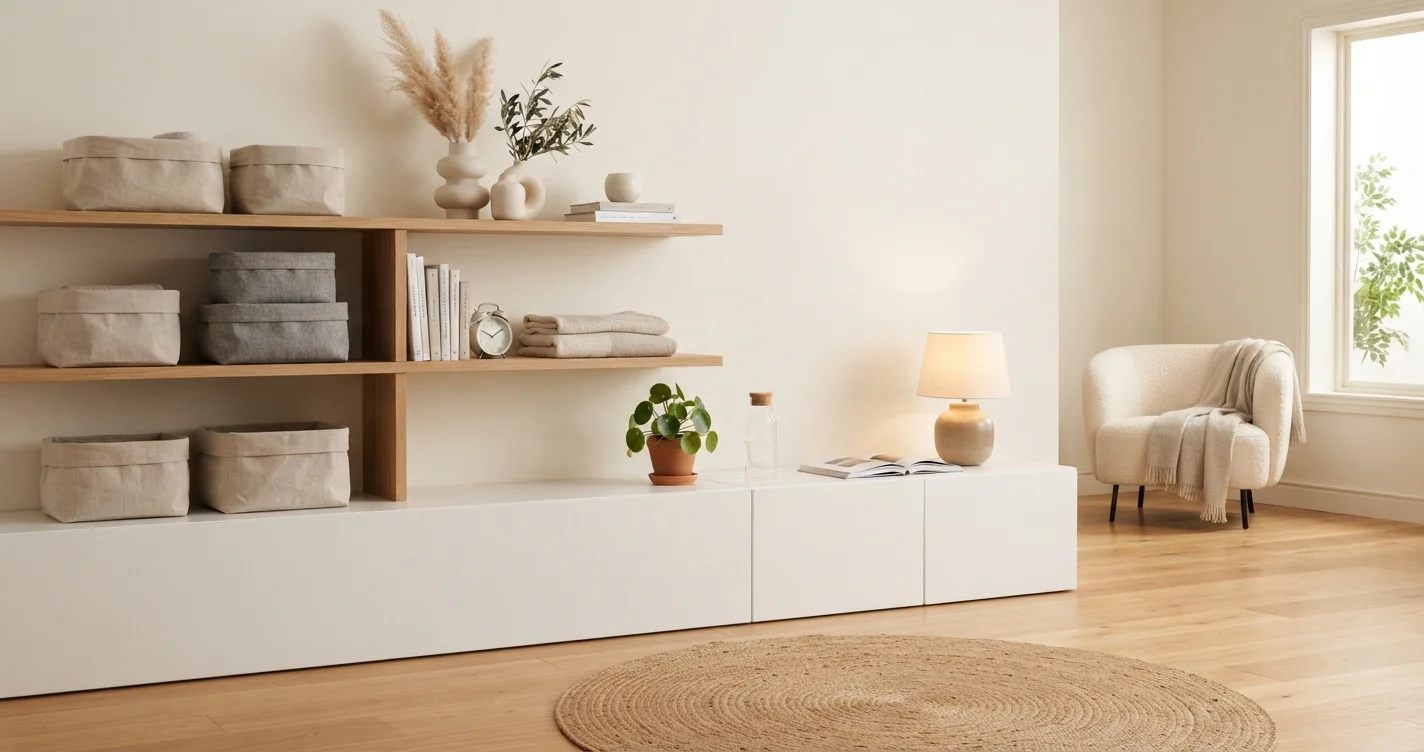
Walking into a cluttered home can feel like walking into a mental fog. You know the feeling: you spend 20 minutes searching for your keys, you buy a second bottle of dish soap because you can’t see the first one, and your “office” is basically a pile of papers on the dining table. It doesn’t have to be this way.
Adopting a minimalist mindset isn’t about living like a monk with an empty white room. It’s about keeping only what adds value to your life and giving every item a home. This minimalist home organization guide will walk you through the exact steps to transform your space without spending a fortune or burning out.
By the end of this article, you’ll have a clear roadmap to declutter your home, maintain your progress, and finally enjoy a peaceful, clean environment. Let’s get started.
Why Minimalism Simplifies Cleaning
Here’s a truth that surprises most people: the less you own, the less you have to clean. When your countertops are clear of knick-knacks, dusting takes two minutes instead of twenty. When your closet isn’t overflowing, folding laundry feels manageable.
Minimalism directly supports a minimalist cleaning routine. Fewer items mean fewer surfaces to wipe, fewer nooks to vacuum, and fewer decisions to make every morning. It’s not just an aesthetic choice—it’s a practical strategy for saving time and energy.
If you’re ready to pair your decluttering efforts with sustainable methods, check out our eco-friendly cleaning tips to keep your home fresh without harsh chemicals.
Assess Your Space Before You Start
Before you toss a single item, take a notebook (or a notes app) and walk through each room. Ask yourself three honest questions:
- Does this space feel calm or chaotic?
- What items do I regularly move out of the way to access something else?
- Which areas do I avoid cleaning because they’re too cluttered?
This quick assessment gives you a clear starting point. Most people try to organize an entire house in one weekend and end up frustrated. Instead, focus on one zone at a time. The kitchen, the bedroom, the living room—tackle them in order of priority.
For targeted strategies, our organization and decluttering section has deep dives for every room in your house.
The Four-Box Method for Room-by-Room Decluttering
This is the most effective decluttering tip I’ve used in 15 years of writing about homes. Grab four boxes or laundry baskets and label them:
- Keep – items you use and love
- Donate/Sell – items in good condition you no longer need
- Trash – broken, stained, or worn-out items
- Relocate – items that belong in another room
Go through every drawer, shelf, and surface in your chosen room. Place each item into one of the four boxes. Be ruthless: if you haven’t used it in the last year and it doesn’t hold sentimental value, it’s probably a “Donate” or “Trash.”
Once you finish, immediately take the “Trash” box outside and load the “Donate” items into your car. This prevents second-guessing later.
Smart Storage Solutions That Keep Clutter Away
After decluttering, you need a system to keep things organized long-term. The goal is simple: make it easier to put things away than to leave them out.
Home organization ideas that actually work include:
- Clear bins for pantry staples so you can see what you have
- Drawer dividers for utensils, office supplies, and socks
- Vertical hooks on the back of doors for bags, robes, or towels
- Baskets on open shelves for remote controls, mail, and chargers
Don’t buy storage containers until you’ve finished decluttering. Otherwise, you’ll just organize the clutter into pretty bins and still feel overwhelmed.
For quick, budget-friendly solutions, browse our cleaning hacks that double as organization shortcuts.
Weekly Maintenance: The 15-Minute Reset
Minimalism isn’t a one-time project—it’s a habit. The easiest way to maintain your organized home is a weekly 15-minute reset. Set a timer and walk through the main living areas. Put away anything that has migrated out of its designated spot.
This could look like: returning a coffee mug to the kitchen, hanging a jacket in the closet, filing a stray receipt, and fluffing the couch pillows. Small daily efforts prevent the clutter from snowballing.
To make this routine stick, pair it with a simple chore chart. Below is a sample weekly schedule you can adapt:
| Day | Task | Time |
|---|---|---|
| Monday | Wipe kitchen counters & clear mail pile | 10 min |
| Wednesday | Vacuum high-traffic areas | 15 min |
| Friday | 15-minute reset (entire house) | 15 min |
| Saturday | Laundry + put away clothes | 30 min |
This structure keeps your home presentable even during busy weeks. And if you’re looking for more ways to streamline your chores, check out the house cleaning tips section for real-world advice.
How to Handle Sentimental Items Without Guilt
Sentimental clutter is the hardest to let go. That concert T-shirt from 2013, the baby shoes, the stack of birthday cards—they all carry memories. But your home isn’t a museum.
A helpful rule: keep only the items that bring you genuine joy when you see them, not items that make you feel guilty for discarding. Take photos of memory-laden objects before letting them go. A digital album takes zero physical space and preserves the memory just as well.
If you truly can’t part with something, give it a designated spot in a memory box. Limit yourself to one box per family member. When the box is full, you stop adding.
FAQ: Minimalist Home Organization
1. How long does it take to fully declutter a home?
It depends on the size of your home and how much stuff you have. Most people need 2 to 4 weekends of focused work to complete a full-house declutter. Be patient and focus on one room at a time.
2. What’s the first room I should declutter?
Start with your bedroom. A peaceful sleep space sets the tone for the rest of your home. Plus, you’ll feel motivated once you experience the calm of a tidy room.
3. Do I need to buy expensive storage bins?
Not at all. Use what you already have, like shoeboxes, mason jars, or baskets from around the house. Only buy containers after you know exactly what you’re storing and what size you need.
4. How do I keep my family from creating new clutter?
Create a “landing zone” near the entrance for keys, bags, and shoes. Assign a single spot for mail and paperwork. Have a family meeting to explain the system—everyone needs to buy in for it to work.
5. Can I be a minimalist if I have kids?
Absolutely. Minimalism with kids just means being intentional. Keep a manageable number of toys (rotate them if needed) and involve children in the decluttering process. Teach them that every toy has a home.
6. What should I do with items I want to sell?
List them on a marketplace app within 48 hours of deciding to sell. If they haven’t sold within two weeks, donate them. Staging items “for sale” for months just delays your progress.
7. How do I deal with paper clutter like bills and school forms?
Go digital. Set up paperless billing for all accounts. For important physical documents, scan them and save to a secure cloud folder. Keep only what’s legally required in a small fireproof box.
8. Is minimalism the same as living with nothing?
Not at all. Minimalism means owning only what you need, use, and love. You can have a cozy home with plenty of furniture, decor, and books—as long as every item serves a purpose or brings you joy.
Conclusion
A clutter-free home isn’t about perfection—it’s about peace. Following this minimalist home organization guide will help you reclaim your space, your time, and your sanity. Start with the four-box method, set up smart storage, and commit to the 15-minute reset each week.
Remember, every item you remove is one less thing you have to clean, move, or think about. For more inspiration, the garden maintenance section even offers tips for extending that minimalist calm to your outdoor spaces.
You deserve a home that feels like a sanctuary, not a storage unit. Take the first step today—choose one drawer, one shelf, or one corner. Clear it, breathe, and enjoy the difference.


