Top Sustainable Cleaning Trends Taking Over in 2026
The cleaning industry is shifting fast. By 2026, homeowners are ditching harsh chemicals and single-use plastics in favor of smarter, greener methods. If you want a spotless home without the guilt, you need to know what’s coming.
These sustainable cleaning trends 2026 aren’t just hype. They reflect a real change in how we think about health, waste, and the planet. Let’s dive into the top movements reshaping the way we clean.
The Rise of Refillable and Concentrated Cleaners
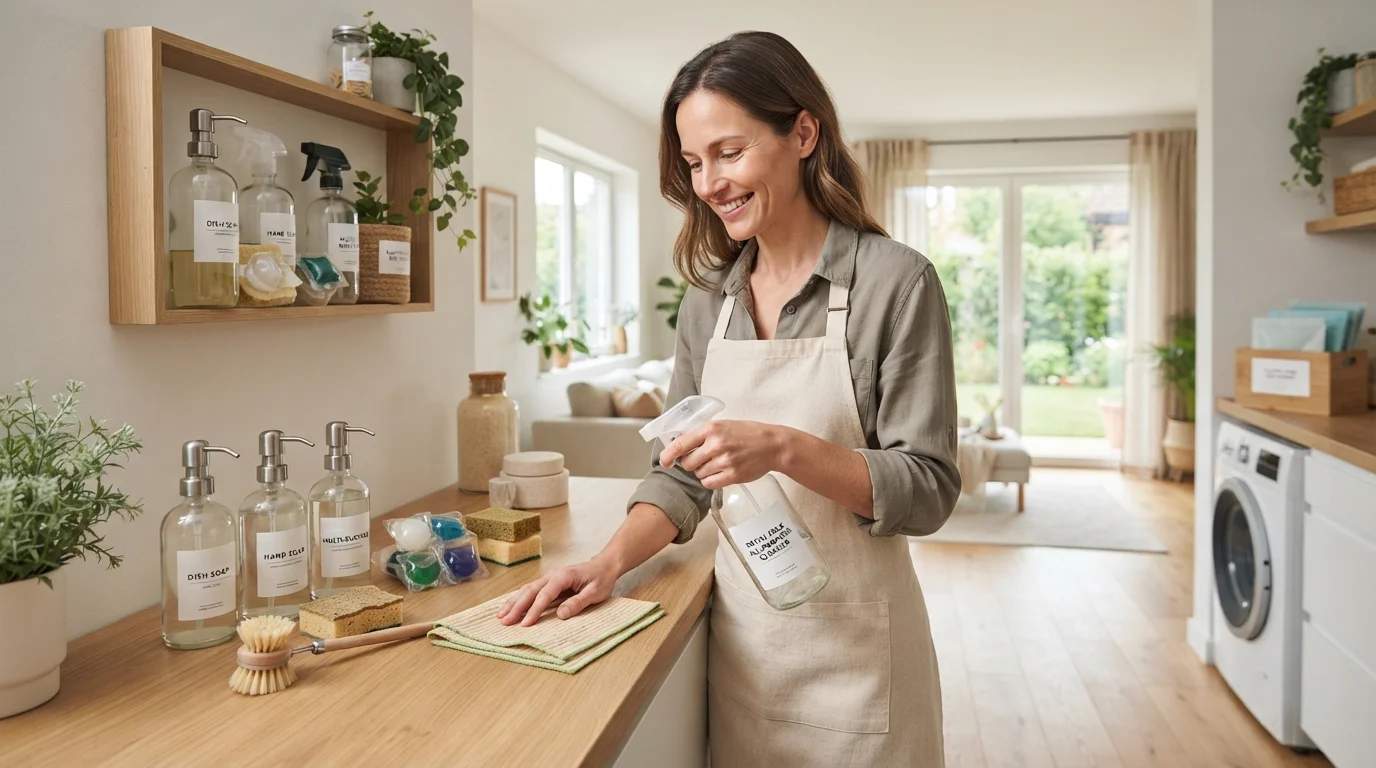
Single-use plastic bottles are on their way out. In 2026, refillable systems are the new normal. Brands and local stores offer bulk stations where you fill your own durable spray bottles with concentrated green cleaning products.
This cuts plastic waste by up to 80%. You just add water at home. It’s cheaper per ounce, and the formulas are plant-based and biodegradable. Many companies now use aluminum or glass containers that last for years.
Keep an eye on subscription services that mail refill pods made from compostable materials. It’s a simple swap that makes a huge difference in your weekly eco-friendly home cleaning routine. For more practical swaps, check out our cleaning hacks library.
Supercharged Natural Ingredients: Beyond Vinegar and Baking Soda
Vinegar and baking soda are classics, but 2026 takes natural cleaning up a notch. Ingredients like natural cleaning solutions using fermented fruit enzymes, soap nuts, and plant-based surfactants are becoming mainstream.
Enzyme cleaners break down grease and grime biologically. They work better than vinegar on stubborn stains without the strong smell. Soap nuts, which are dried fruit shells, create a gentle soap when soaked in water. They’re completely compostable.
These ingredients are safe for kids and pets. They also perform well on hardwood, granite, and sealed stone. You don’t have to sacrifice performance for sustainability. Learn more about safe routines in our house cleaning tips section.
Zero-Waste Cleaning Tools That Actually Last
Swap your synthetic sponges and plastic scrub brushes for durable alternatives. The hottest sustainable tools in 2026 include:
- Unsponges: Machine-washable pads made from cellulose and organic cotton. They don’t hold bacteria and last over six months.
- Bamboo brushes: With replaceable sisal or tampico bristle heads. The handles compost in your garden.
- Linen dishcloths: More absorbent than cotton and naturally antimicrobial. You can boil them to refresh them.
- Wool dryer balls: Replace fabric softener and single-use dryer sheets. They last for a thousand loads.
These tools reduce landfill waste significantly. They also save you money over time because you aren’t constantly repurchasing disposables. A complete zero-waste cleaning kit can last for years with proper care.
Smart Home Gadgets with Green Credentials
Technology is getting a sustainability makeover. In 2026, robot vacuums and mops come with replaceable parts and recycled plastic bodies. Some models offer a “eco mode” that uses minimal water and electricity.
UV-C sanitizing wands are also trending. They disinfect surfaces without chemicals or wipes. They use very little energy and have long-lasting LED bulbs. You can sanitize your kitchen counter or kids’ toys in seconds.
Look for devices with high repairability scores. Companies now offer take-back programs where old units get refurbished. This keeps electronics out of the waste stream. For organizing these gadgets and cleaning schedules, visit our organization and decluttering guide.
Closed-Loop and Local Supply Chains
2026 is all about knowing where your cleaning products come from. Consumers prefer brands that source ingredients within 200 miles. This reduces carbon footprint from shipping and supports local economies.
Many small businesses now offer “closed-loop” systems. You return your empty containers, they sterilize and refill them. Some even use the old plastic to 3D-print new bottle caps or brushes.
This trend extends to garden maintenance too. Composting kitchen scraps and using them to make natural cleaning scrubs is becoming a popular weekend project. It connects your indoor cleaning with your outdoor garden in a beautiful cycle. Find ideas in our garden maintenance section.
Minimalist Cleaning Routines
Less is more. The “capsule cleaning” movement encourages you to own just 5–7 multi-purpose tools and 3–4 concentrated solutions. You clean more often but with fewer products.
This reduces clutter under your sink and decision fatigue. A typical capsule kit includes one glass cleaner, one all-purpose cleaner, one scrub paste, and a set of microfiber cloths. Everything works on multiple surfaces.
Follow the “one in, one out” rule for cleaning supplies. When you finish a bottle, replace it only with a refill. This naturally limits your stash. For more on adopting this lifestyle, the U.S. Environmental Protection Agency offers guidelines through their Safer Choice program, which certifies products that are safer for your family and the environment.
| Sustainable Trend | Key Benefit | Example Product/Switch |
|---|---|---|
| Refillable cleaners | Reduces plastic waste 80% | Glass bottle + concentrate pods |
| Enzyme-based formulas | Biodegradable and stain-fighting | Fermented fruit cleaner |
| Unsponges | Lasts 6+ months, washable | Cellulose/cotton pad |
| Smart eco gadgets | Low energy, replaceable parts | UV-C sanitizer wand |
| Capsule cleaning kits | Minimal products, maximum use | 5 multi-purpose tools |
Frequently Asked Questions
1. Are natural cleaners as effective as chemical ones?
Yes, modern natural cleaning solutions like enzyme sprays and soap nuts are scientifically formulated to tackle grease, grime, and bacteria. They often work better than harsh chemicals on organic stains.
2. What is the biggest sustainable cleaning trend for 2026?
Refillable and concentrated systems are the biggest trend. They drastically cut plastic waste and save money. Nearly every major brand now offers a refill option.
3. Can I make my own zero-waste cleaning products?
Absolutely. You can mix vinegar, water, and citrus peels for an all-purpose cleaner. Or use soap nuts boiled in water for a gentle laundry detergent. It’s simple and cheap.
4. How do I know if a cleaning product is truly eco-friendly?
Look for certifications like Safer Choice, USDA Biobased, or Leaping Bunny. Avoid vague terms like “natural” — check the ingredient list for plant-based, biodegradable components.
5. Do sustainable cleaning tools really save money?
Yes. A $20 unsponge lasts over a year. Wool dryer balls cost $15 for a set that replaces hundreds of dryer sheets. You save money within three months.
6. Is it safe to combine vinegar and baking soda?
They neutralize each other, so you lose cleaning power. Use them separately: vinegar for glass and grease, baking soda for scrubbing and deodorizing.
7. What are the best materials for sustainable scrub brushes?
Bamboo handles with natural bristles like sisal, tampico, or coconut coir. Avoid nylon bristles unless they are recycled. The whole brush can compost if you cut the bristles off.
8. How do I transition my home to sustainable cleaning without spending a lot?
Start slow. Replace one disposable item at a time. Use up your current chemical cleaners, then buy a refillable concentrate. Repurpose old t-shirts as cleaning rags. It doesn’t have to be expensive.
Conclusion
The sustainable cleaning trends 2026 are accessible, effective, and gentle on the planet. You don’t need a complete overhaul overnight. Pick one trend — like switching to refillable bottles or trying enzyme cleaners — and build from there.
Every small swap reduces your household waste and your exposure to toxins. Plus, your home stays just as clean (if not cleaner). The future of cleaning is here, and it’s green, smart, and surprisingly simple. Start today, and your home and the Earth will thank you.


